Florida battles decades' biggest dengue outbreak, surpassing 250 local cases
What's the story
Florida is currently grappling with its largest dengue outbreak in decades, with over 250 locally transmitted cases reported this year. The majority of these cases are concentrated in Hillsborough County, which includes Tampa. The state has also recorded 245 travel-related cases, and at least 13 cases in Hillsborough County involved people who had recently traveled. This year's outbreak has already surpassed Florida's previous record of just under 200 locally acquired cases in a single year, which was recorded in 2023.
Record-breaking surge
Record outbreak prompts emergency declarations
The current outbreak is believed to be the largest single-year total recorded by a state in the continental United States since at least the 1940s.
To tackle this unprecedented situation, Hillsborough, Pasco, and Pinellas counties have declared local states of emergency.
Authorities are now ramping up mosquito-control operations and efforts to eliminate standing water where mosquitoes breed.
Transmission patterns
Unprecedented local transmission in Florida
Although dengue is not new to Florida, local transmission on this scale is unusual.
"This is the most locally acquired cases that we've seen in the state," Michael Johansson, an epidemiologist at Northeastern University, told Time.
Florida has long reported travel-associated infections, but usually only one or two cases involve local transmission.
The reason for this year's outbreak being centered around Tampa instead of South Florida remains unclear.
Virus spread
Understanding dengue fever
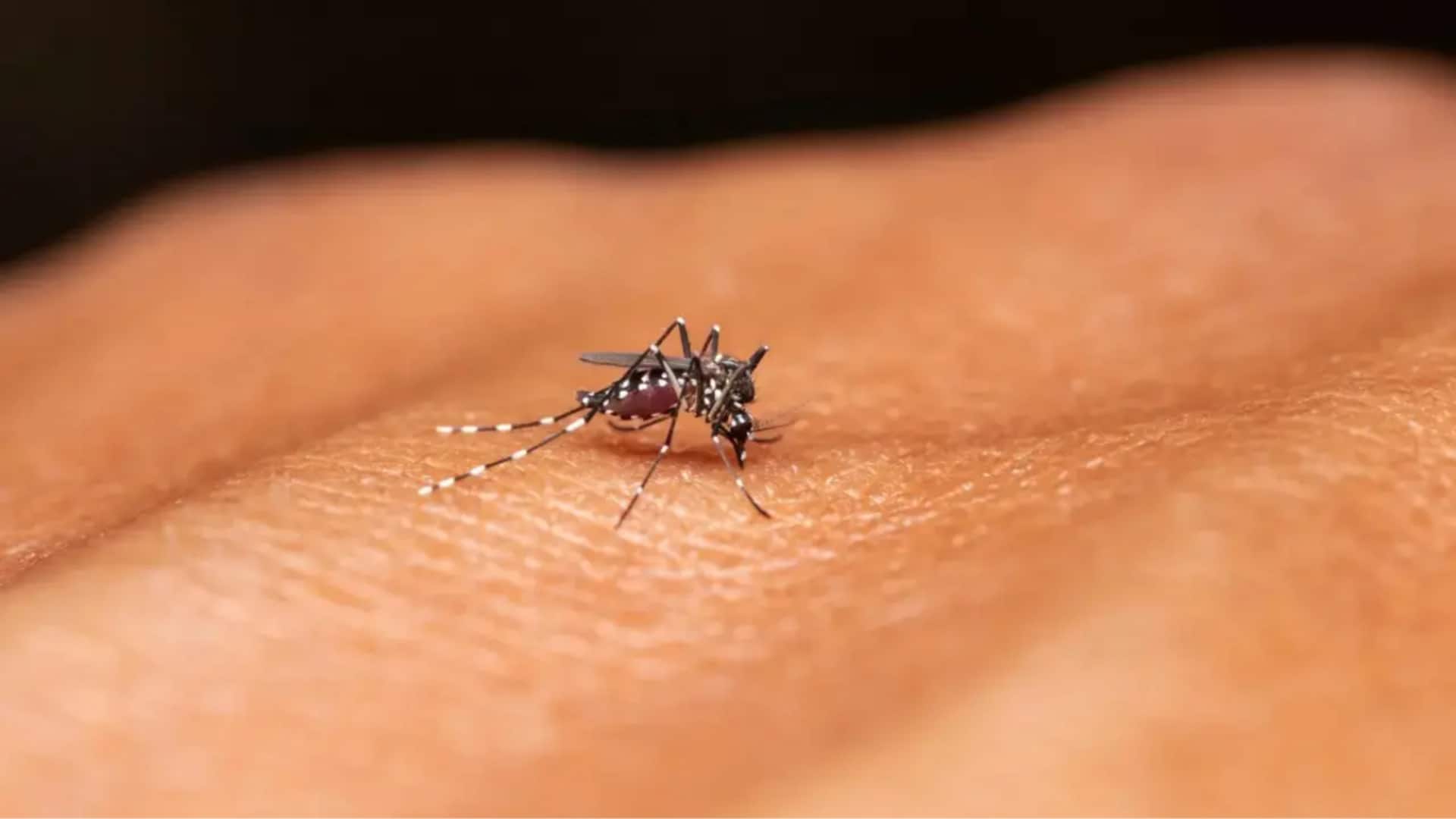
Dengue is primarily spread through bites from infected Aedes aegypti and Aedes albopictus mosquitoes.
Symptoms usually appear five to seven days after infection, with many people showing no symptoms at all.
Those who do may experience fever, headaches, muscle pain, nausea, vomiting, and sometimes a rash.
Severe cases can lead to internal bleeding and organ failure.
Florida has reported one dengue-related death this year: a Tampa woman who died on September 4.
Vaccine concerns
No specific antiviral treatment for dengue
A second dengue infection can be more severe, sometimes leading to dengue hemorrhagic fever. This has complicated vaccine development efforts.
Dengvaxia, a vaccine available in the US since 2019, was discontinued in 2025 due to low demand, according to Time.
Despite no specific antiviral treatment for dengue, supportive care is critical for recovery.
The CDC recommends using EPA-registered insect repellents and wearing protective clothing against mosquito bites as preventive measures during this outbreak.
Worldwide impact
Global surge in dengue cases
The outbreak comes amid a global surge in dengue cases, with over 2.2 million infections reported worldwide this year.
However, the actual number could be higher as many infections are mild or asymptomatic.
Mosquito-borne diseases are becoming more common or appearing in new areas due to warmer temperatures and longer mosquito seasons.
Increased international travel may also help spread these diseases further.