Finance Ministry warns of inflation risks from rising energy prices
What's the story
India's economy is showing "cautious resilience" amid global uncertainties, but rising energy prices and a potentially weak monsoon could pose inflation risks. The Finance Ministry's monthly economic review flagged these concerns on Saturday. It said that while domestic economic fundamentals remain broadly intact, India cannot completely insulate itself from the impact of rising tensions in West Asia and potential disruptions to global energy supplies.
Economic impact
Strait of Hormuz disruption could impact India
The review identified the disruption in the Strait of Hormuz as the "single most consequential variable" for India's external sector and inflation outlook.
A prolonged disruption here could keep energy prices high, putting further pressure on inflation and growth.
The report also warned that recent fuel price hikes and rising upstream cost pressures could be passed on to consumers through higher transportation, energy, and food costs in the coming months.
Inflation concerns
Weather-related risks flagged
India's annual retail inflation rose to 3.48% in April, but the report cautioned that further increases in global energy prices could erode this cushion sooner than expected.
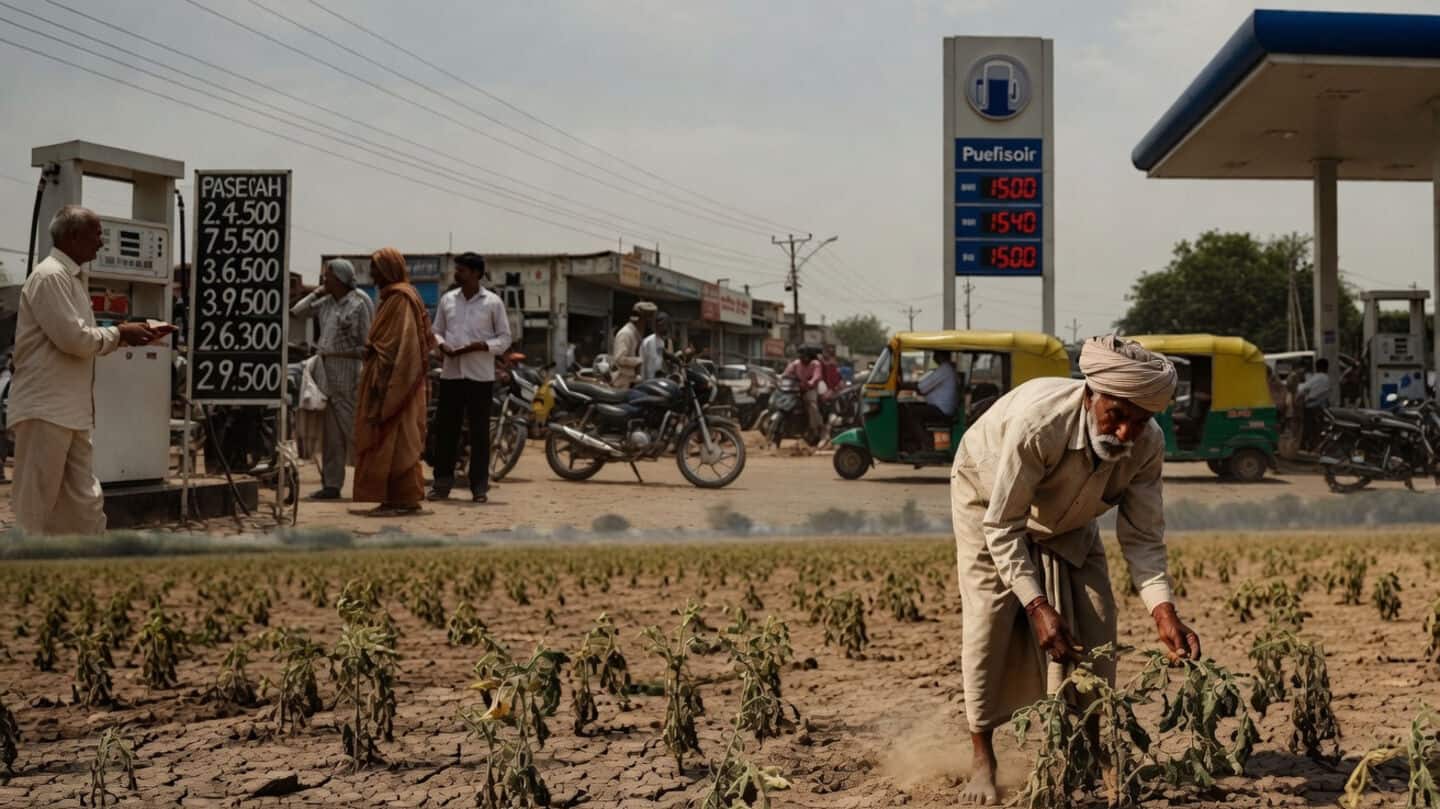
The review also flagged weather-related risks, saying a below-normal monsoon or major rainfall deficit could exacerbate food price pressures along with energy-driven inflation.
This could weaken rural demand and impact overall economic growth.
Policy response
Policy vigilance needed, say experts
The review stressed the need for sustained policy vigilance in light of high global energy prices, a depreciating rupee, rising upstream cost pressures, and the possibility of a below-normal monsoon.
However, it also indicated that policymakers might not respond immediately to emerging inflationary pressures.
"Second-round effects and their persistence must be evident in the data for policy responses to be triggered," the report said.