South Korea raises interest rates for first time since 2023
What's the story
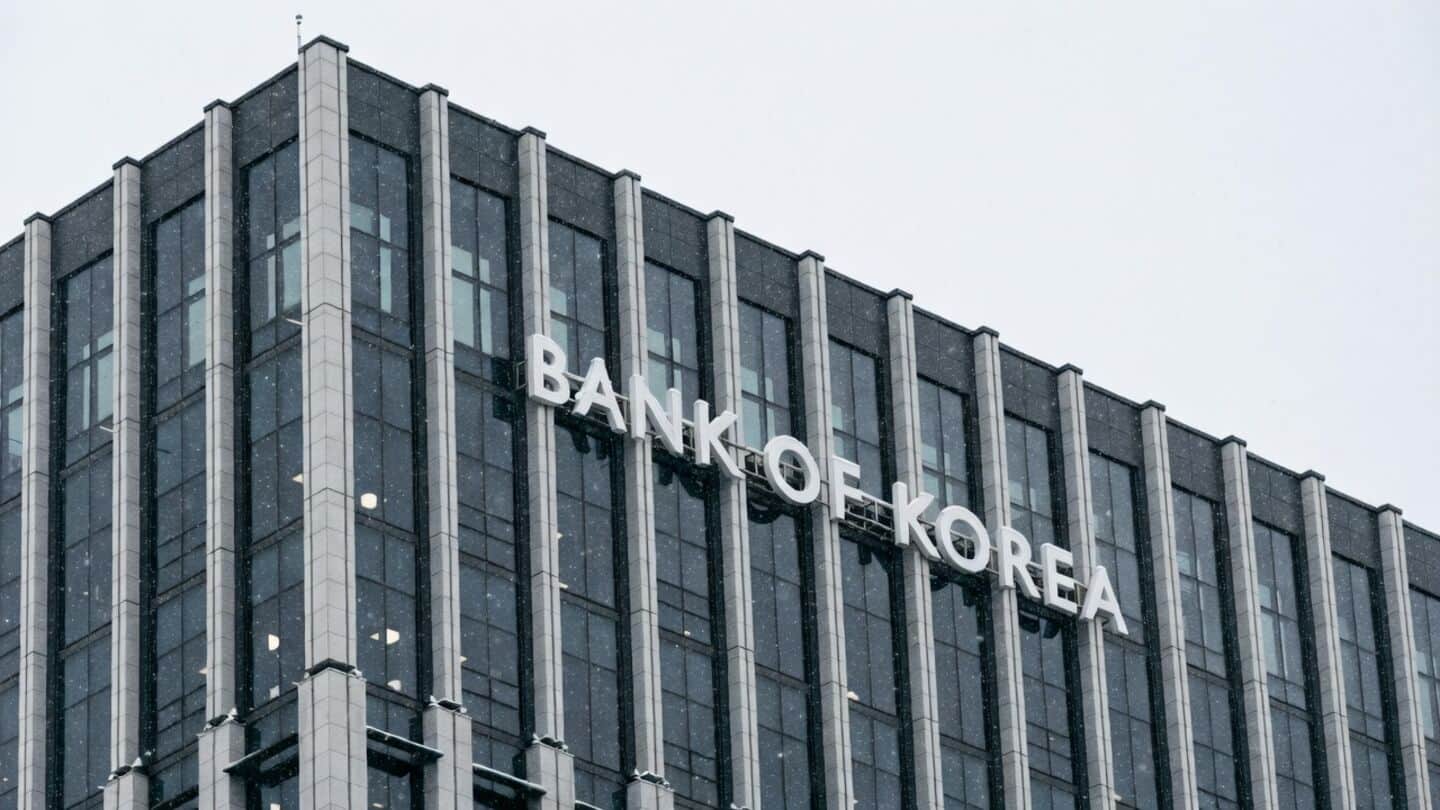
South Korea's central bank, the Bank of Korea (BOK), has raised its key interest rate for the first time in over three years. The move comes as an artificial intelligence-driven chip boom drives inflation and economic growth. The BOK raised the seven-day repurchase rate by a quarter point to 2.75%, in line with economists' forecasts.
Policy shift
BOK's decision signals start of new policy cycle
The BOK's decision signals the start of a new policy cycle, after cutting borrowing costs four times since late 2024.
The last time rates were raised was in January 2023.
This change comes as Governor Shin Hyun Song has been pushing for tighter monetary policy amid rising inflation and economic growth.
Economic forecast
South Korea's economy growing at faster-than-expected pace
The BOK's decision comes as South Korea's economy continues to grow at a faster-than-expected pace. The government recently revised its GDP growth forecast for this year to 3%.
Last week, the International Monetary Fund also upgraded South Korea's growth outlook, raising its 2026 forecast to 2.6%.
Despite these positive indicators, inflation remains a concern with consumer prices rising by 3.2% in June from a year earlier, the fastest pace in over two years.
Economic indicators
Current-account surplus exceeds last year's record annual total
South Korea's current-account surplus for the first five months of this year has already exceeded last year's record annual total, thanks to a semiconductor-led export boom.
The BOK has said this chip upcycle is different from previous ones as it's driven by structural demand linked to AI.
Global tech giants' aggressive investment and supply constraints for advanced chips could sustain this growth for a long time.
Risk factors
Inflation remains stubbornly high in South Korea
Despite the economic growth, inflation remains stubbornly high in South Korea.
Policymakers expect underlying price pressures to remain elevated as earlier oil price increases continue to impact the economy.
The government expects inflation will average 2.6% this year.
Financial stability concerns have also become a major policy driver, with apartment prices in Seoul rising for 75 consecutive weeks and household borrowing accelerating again.