Texas halts new data center approvals over electricity grid concerns
What's the story
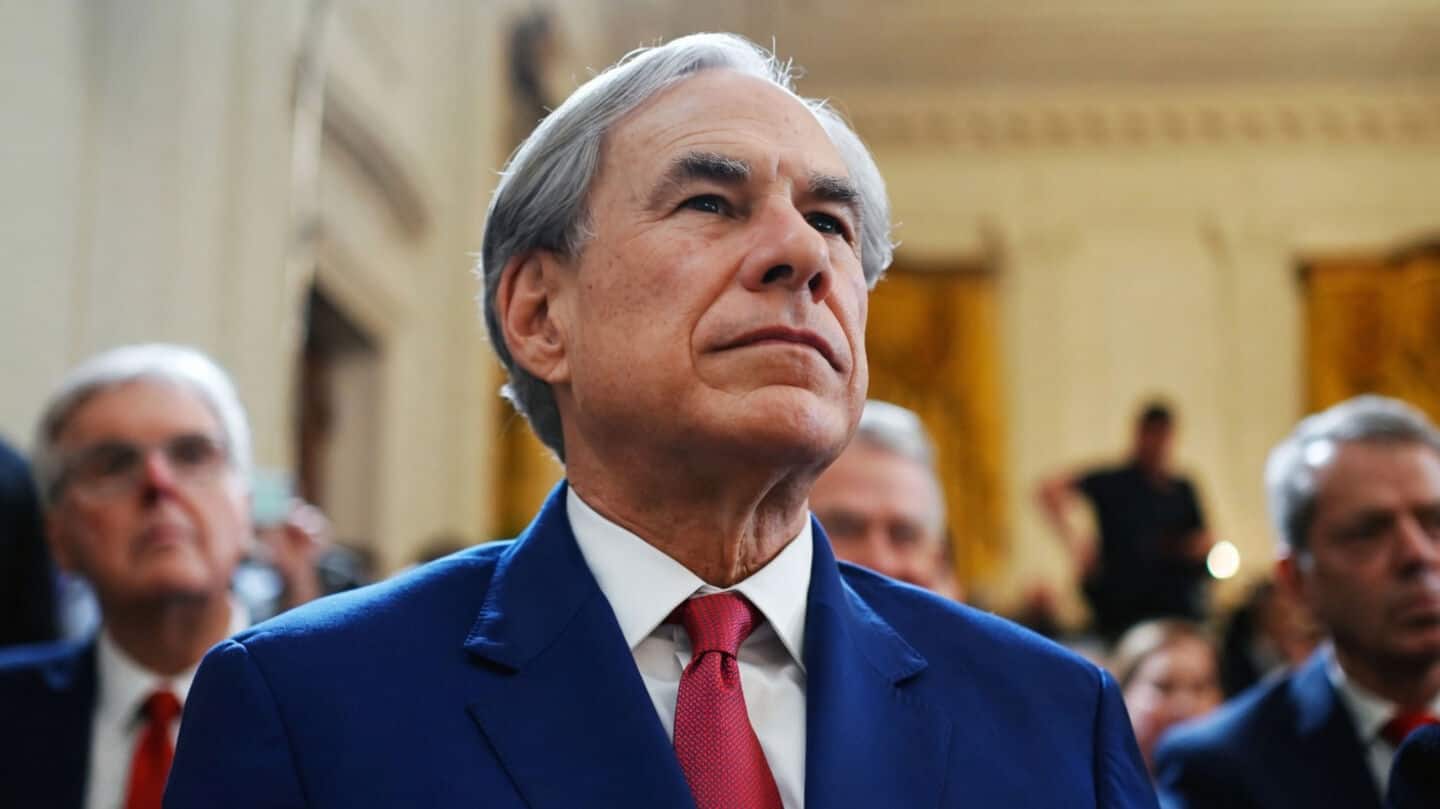
Texas Governor Greg Abbott has halted the approval of new data centers, citing concerns over their potential impact on the state's electrical grid. The move comes as ERCOT, the state's grid operator, is already considering more than 474 gigawatts (GW) of requests for connection to its grid. This is more than five times Texas's record peak electricity demand.
Regulatory measures
Abbott's directive to PUCT and ERCOT
Abbott has directed the Public Utility Commission of Texas (PUCT) and ERCOT to deny grid connection requests for any project that fails to meet state requirements.
The governor is seeking information from data centers seeking connection to Texas grids, including their plans to bring their own power, estimated annual and peak electric consumption, as well as water consumption sources.
Price surge
Rising electricity costs and data centers
Data centers and crypto-mining facilities have contributed to rising electricity prices in Texas, according to the Energy Information Administration (EIA).
Despite the state's relatively affordable electricity rates compared to other states, the demand from these facilities has pushed costs higher.
Abbott's directive aims to mitigate this trend by ensuring that proposed data centers meet state requirements before being granted access to the state's grid.
Industry reaction
Data Center Coalition's response
Dan Diorio, Executive VP of State Policy and Government Affairs at the Data Center Coalition, expressed optimism about Abbott's directive.
He said it "will help separate those who are responsible water and energy stewards from those who are not."
Diorio also stressed that if done correctly, this review could highlight the good actors in the data center industry without causing unnecessary delays.
Regulatory stance
Abbott calls for ban on data centers in rural Texas
Abbott has also called for a ban on data center developments in rural Texas.
He said, "Any AI data center even thinking about coming here, they got to bring their own money, bring their own power, reuse their own water and do it in a way that reduces the cost of electricity for residents across our state."