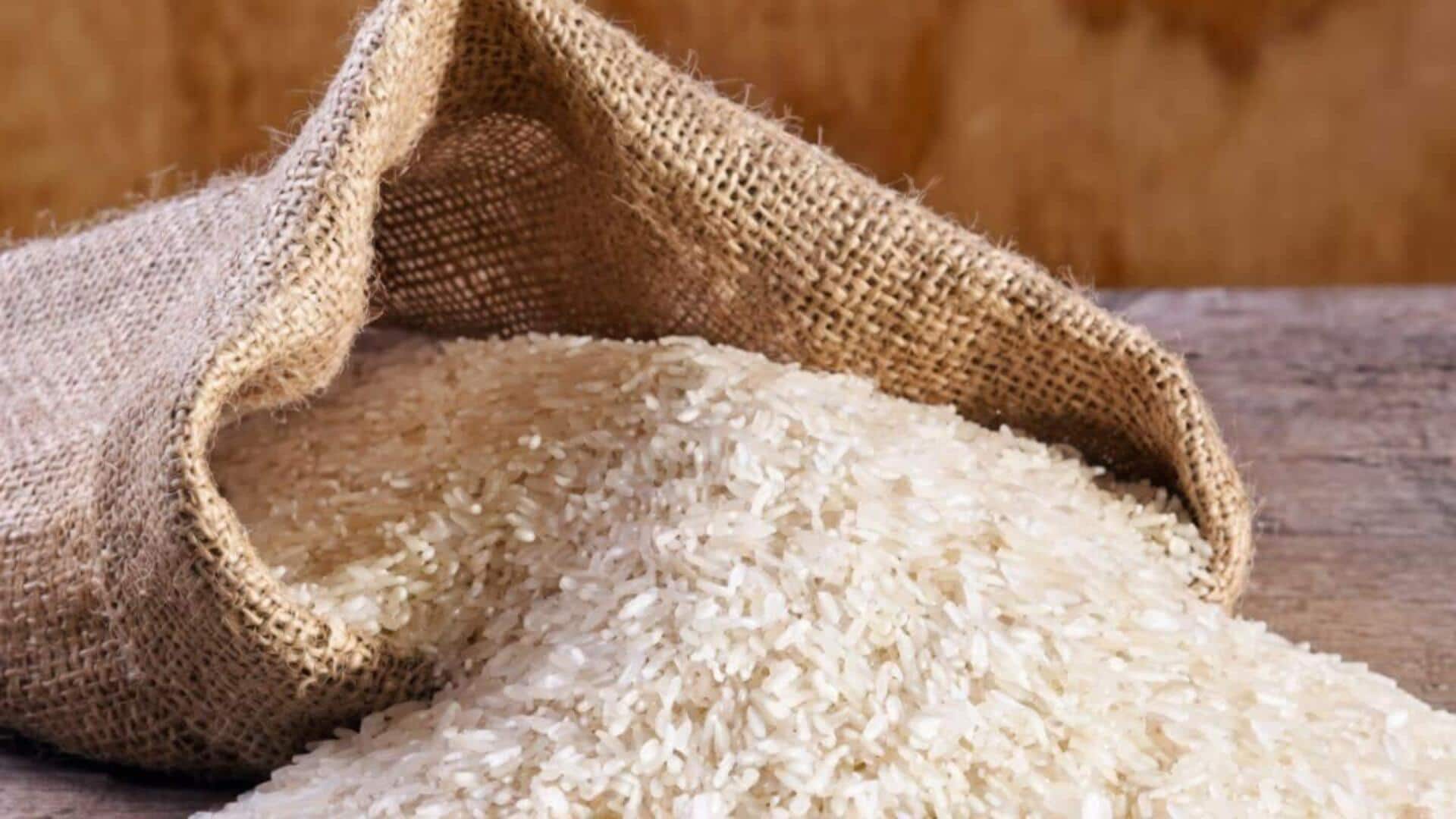
India's $810M rice trade with Iran faces double whammy
What's the story
India's $810 million rice trade with Iran is facing a double blow, with fresh US sanctions and the UAE's freeze on trade and financial transactions with Tehran threatening to disrupt shipments and payment channels. The UAE has been a key payment and trading route for Indian rice exporters, but its suspension of transactions with Iran could disrupt this channel. Indian traders are already facing payment difficulties and exploring alternatives such as Turkey to keep the rice trade moving.
Payment challenges
UAE was key intermediary for Indian exporters
India has relied on the UAE as an intermediary for payments with Iran.
The arrangement involved the UAE receiving payments from Iran and passing them onto Indian exporters, while also handling transactions in reverse.
However, with the UAE suspending all trade and financial transactions with Iran last week, this system is now at risk of collapse.
Export challenges
Exporters may have to use transit country
Shipping goods to Iran could also become more expensive and time-consuming. Exporters may have to use a transit country instead of directly shipping their consignments to Iran.
Turkey is being considered as one such option, but this would require its cooperation and pose additional logistical and compliance challenges.
Using Turkey as a transit point could increase journey times by three to four times and push up freight costs.
Sector impact
Rice exporters most affected
Rice exporters are particularly vulnerable to these changes.
India exported rice worth $810.08 million to Iran in 2025-26, including shipments worth $383.11 million in the first half of 2026.
"A halt in crude imports won't affect India too much. This is the amount India was happy to have, but it won't impact us too much if it's not there. It's the rice and other traders who will be more affected," economist Madan Sabnavis told CNBC-TV18.