Budget 2026: Infrastructure spending and structural reforms to get focus
What's the story
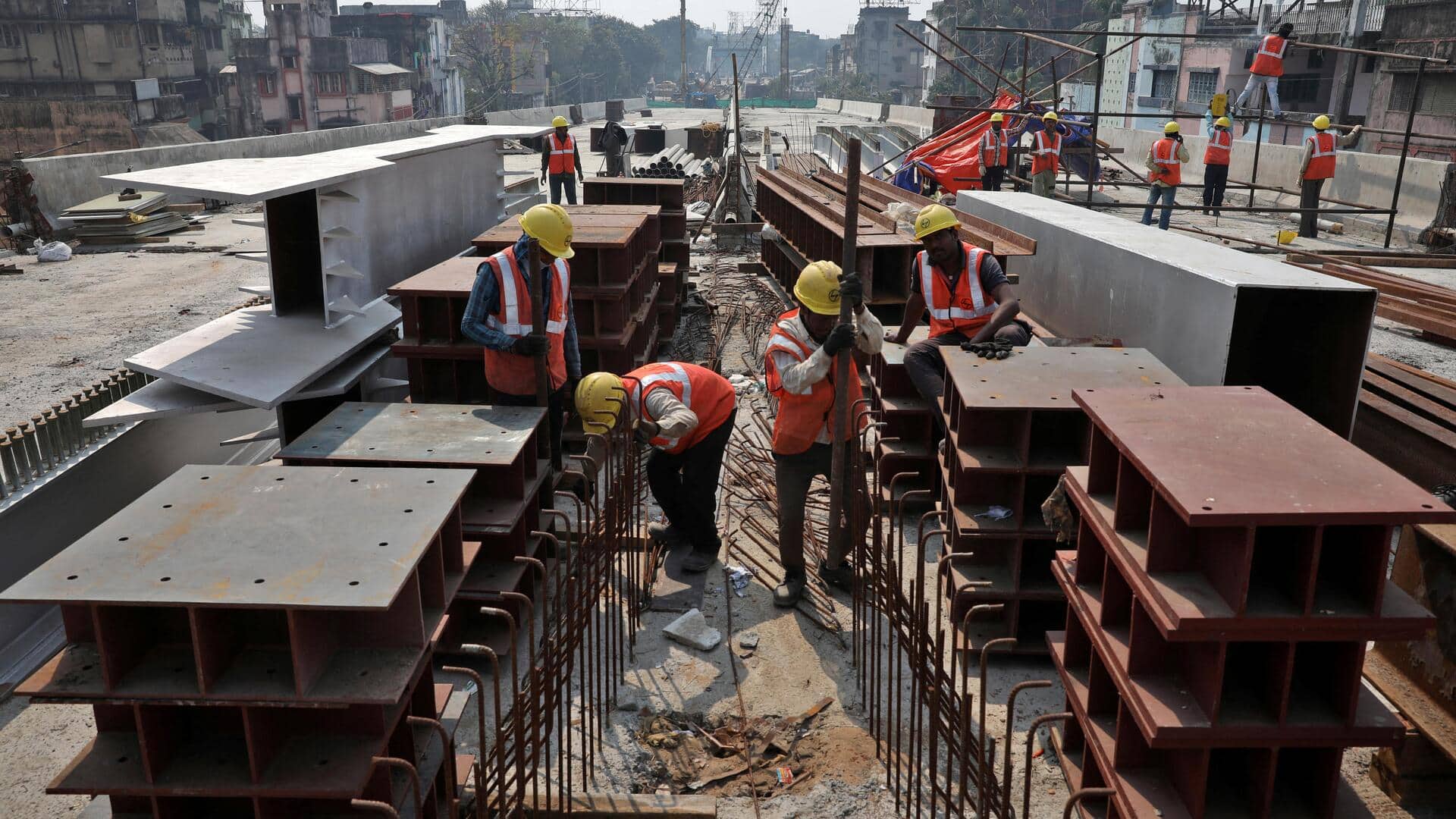
The Union Budget on February 1 is likely to prioritize infrastructure spending and structural reforms, a report by PL Capital has said. This comes despite global geopolitical uncertainty, trade tensions with the US, and declining private investment posing new challenges. India continues to be the world's fastest-growing large economy and fourth-largest by GDP size.
Economic outlook
India's economic momentum
The FY26 period has seen many macroeconomic positives, including multi-year low inflation and cumulative interest rate cuts of 125 basis points.
These factors have contributed to a robust economic momentum, with GDP growth for FY26 projected at 7-7.3%. This is despite punitive US tariffs and external headwinds.
However, PL Capital expects no major "big bang" announcements in the upcoming Budget after last year's sweeping tax reforms.
Budget projections
Taxation expectations
PL Capital does not expect further rationalization of direct taxes in Budget 2026.
After last year's major personal income tax adjustments, meaningful changes in tax slabs seem unlikely.
The report also flags concerns over tax collections as year-to-date corporate and personal income tax growth is below FY26 budgeted estimates, raising the risk of a direct tax revenue shortfall.
Spending forecast
Capital expenditure and fiscal metrics
Capital expenditure is likely to see a moderate jump in FY27.
PL Capital expects the overall FY26 spending to largely remain on target, with a limited scope for upward revisions due to the absence of supplementary approvals.
For FY27, the brokerage sees high single-digit to low double-digit growth in capex allocations, with defense spending likely to see a double-digit jump amid rising geopolitical tensions.
Allocation
Sectoral capex allocation and fiscal deficit concerns
Sectorally, capex allocation is likely to shift toward power, roads, infrastructure, water, as well as sanitation. This is driven by PPP approvals.
However, PL Capital warns of a potential mild slump in the fiscal deficit due to weaker tax collections and higher incentive outlays.
Higher interest costs and dependence on RBI dividends will be key variables to watch in the upcoming Budget.