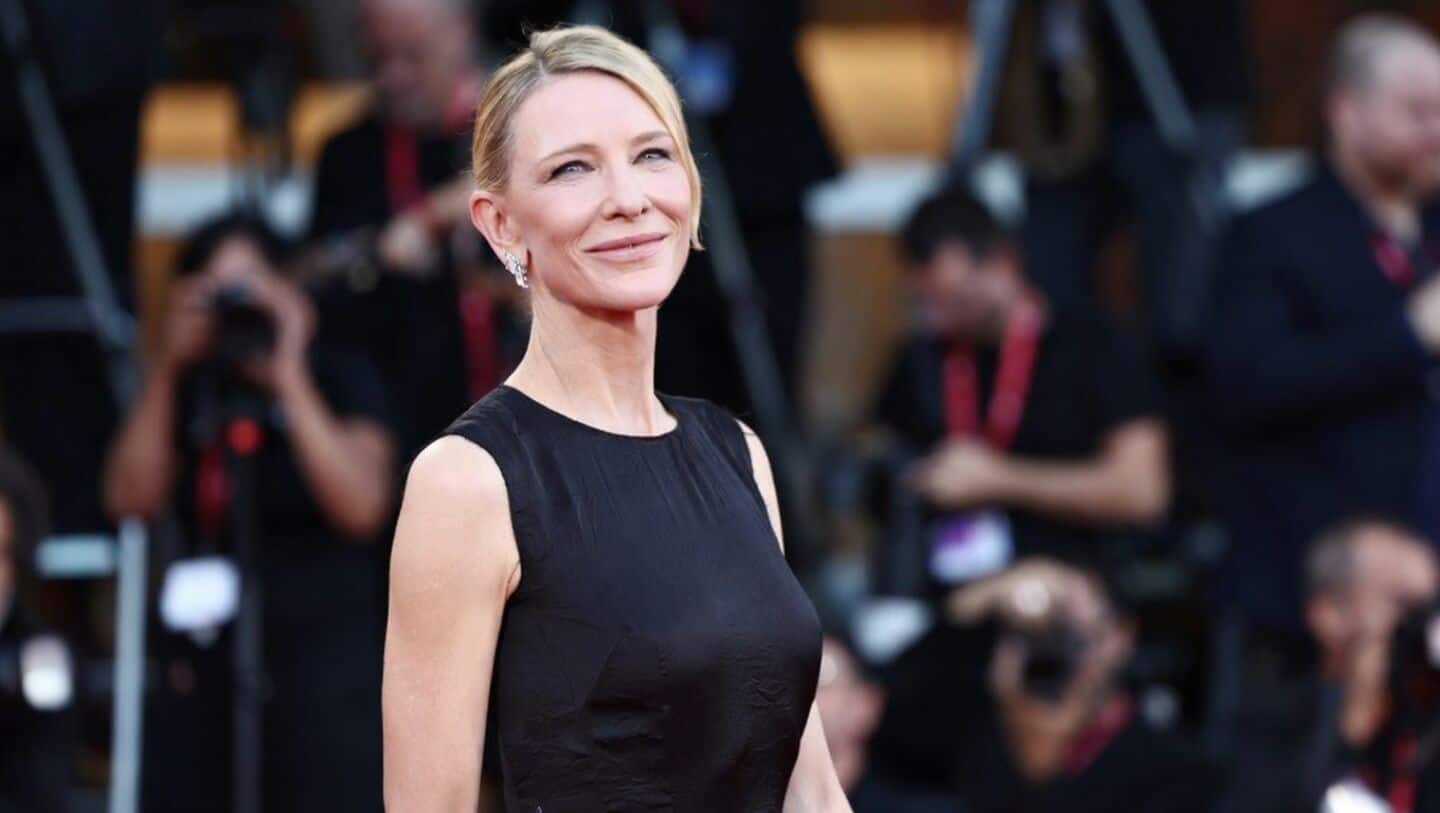
Cate Blanchett launches non-profit to protect people's rights against AI
What's the story
Actor Cate Blanchett has co-founded a new non-profit organization, RSL Media, dedicated to creating a human consent framework for the use of artificial intelligence (AI) in creative work. The initiative aims to safeguard the rights of individuals by ensuring that their creative expressions, names, images, and likenesses are not exploited without their explicit consent. The organization was founded on the principle that consent must come first.
Upcoming launch
RSL Human Consent Standard will be available in June
The RSL Human Consent Standard, a free and public registry, will be launched in June. This platform will allow individuals to declare their AI permissions.
Blanchett stressed the importance of this initiative, stating, "AI technologies are expanding rampantly, essentially unchecked and unregulated. In order for humans to remain in front of these technologies, consent must be the first consideration."
Organizational goal
Making human consent visible to AI systems
Nikki Hexum, co-founder and CEO of RSL Media, emphasized the need for human consent in the digital era.
She said, "AI can't respect rights it can't see, and this means human consent is virtually invisible in this new digital era."
The organization aims to make human consent visible to AI systems by turning it into a signal that machines can read.
Celebrity endorsements
Support from Hollywood heavyweights
The initiative has received widespread support from various celebrities and creators. Actors Javier Bardem, George Clooney, Viola Davis, Tom Hanks, Helen Mirren, Kristen Stewart, Meryl Streep, and Dame Emma Thompson are among the advocates.
Director Steven Soderbergh called RSL Media's solution "simple, transparent, and resistant to manipulation. The sooner this independent standard is adopted, the better for all involved."
Empowerment initiative
Empowering individuals with choices
RSL Media will empower individuals to decide how their identity and creative works can be used by AI systems.
These choices can either allow or prohibit usage with specific terms.
The organization also provides a universal way for AI systems to understand consent, addressing the challenges posed by complex rights systems.
Registrants can now reserve a consent ID and become trusted partners ahead of the public registry launch in June.