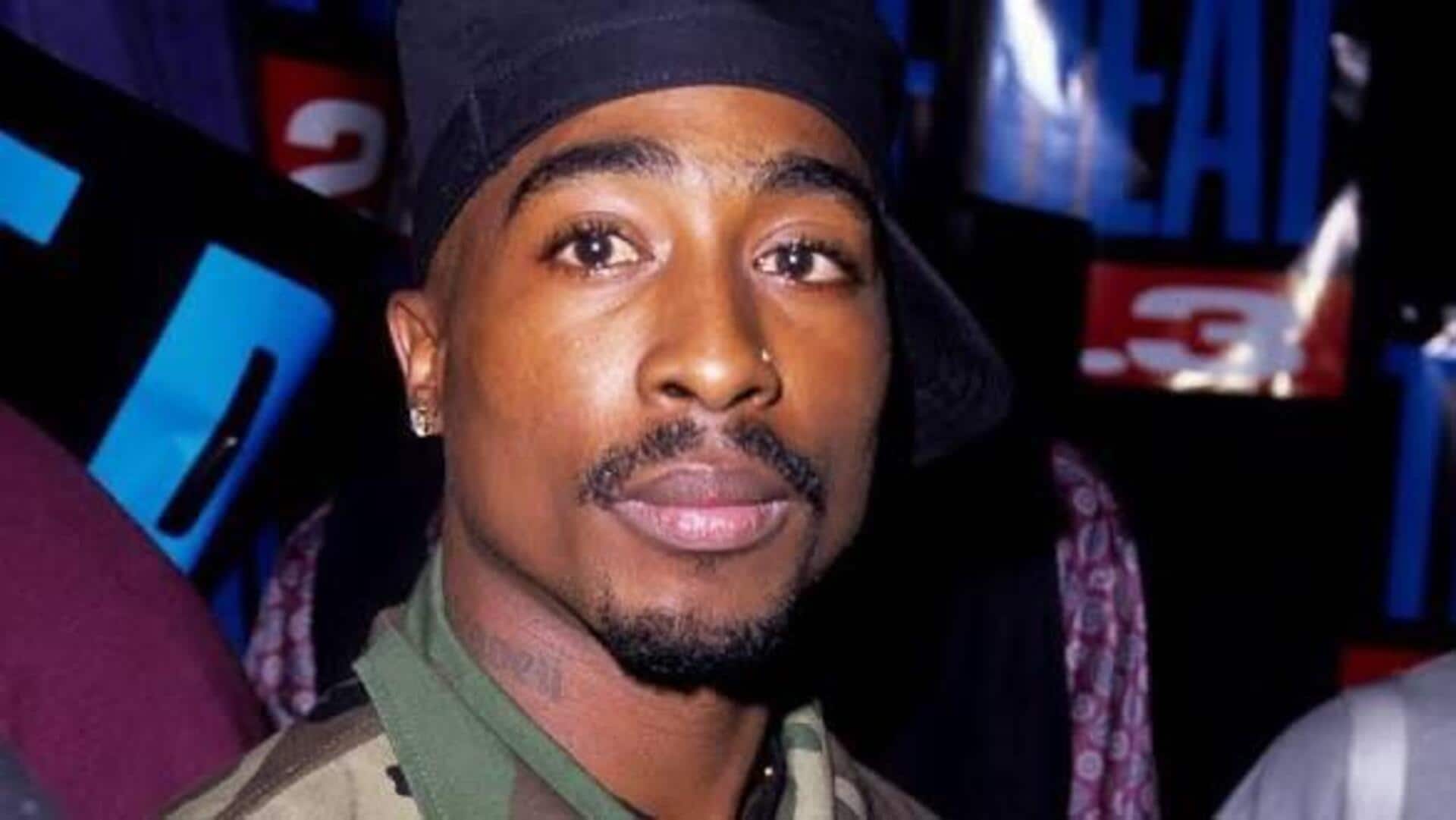
Closing arguments to begin in Tupac murder trial
What's the story
The trial of Duane "Keffe D" Davis, a former gang leader accused of orchestrating the drive-by shooting of hip-hop icon Tupac Shakur, is set to enter its final phase on Monday (local time) as closing arguments will be presented. The case, which has been a symbol of the violence that plagued 1990s rap culture, is being heard in Clark County, Nevada, United States. Davis has pleaded not guilty to one count of murder with a deadly weapon.
Case details
Prosecution's case hinges on Davis's confessions
Davis is accused of orchestrating the murder of Shakur, a commercially successful and influential rapper, in retaliation for an assault on his nephew.
The prosecution's case primarily relies on Davis's own admissions during media interviews and a memoir.
These statements were recorded and presented as evidence by the Clark County District Attorney's Office.
Defense strategy
Defense argues statements were mere bravado
The defense has countered the prosecution's arguments by asserting that Davis's statements were mere bravado and cannot be substantiated.
They also pointed out the absence of concrete evidence to support Davis's claims or establish his presence in Las Vegas at the time of Shakur's murder.
Over the past two weeks, prosecutors have played hours of recordings for the 16 jurors, including public interviews and secret meetings with investigators.
While the prosecutors called in 24 witnesses, the defence called three.
Cultural impact
Shakur's murder and its impact on rap culture
Shakur's murder on September 7, 1996, marked a significant turning point in rap history and added to the violent image of hip-hop culture during the height of "gangsta" rap.
This period was characterized by intense rivalries between East Coast and West Coast artists.
The nine-day trial is being closely followed by Shakur's family, who hope it can bring them long-awaited closure.