'Qayamat Se Qayamat Tak': Why director shot alternate happy ending
What's the story
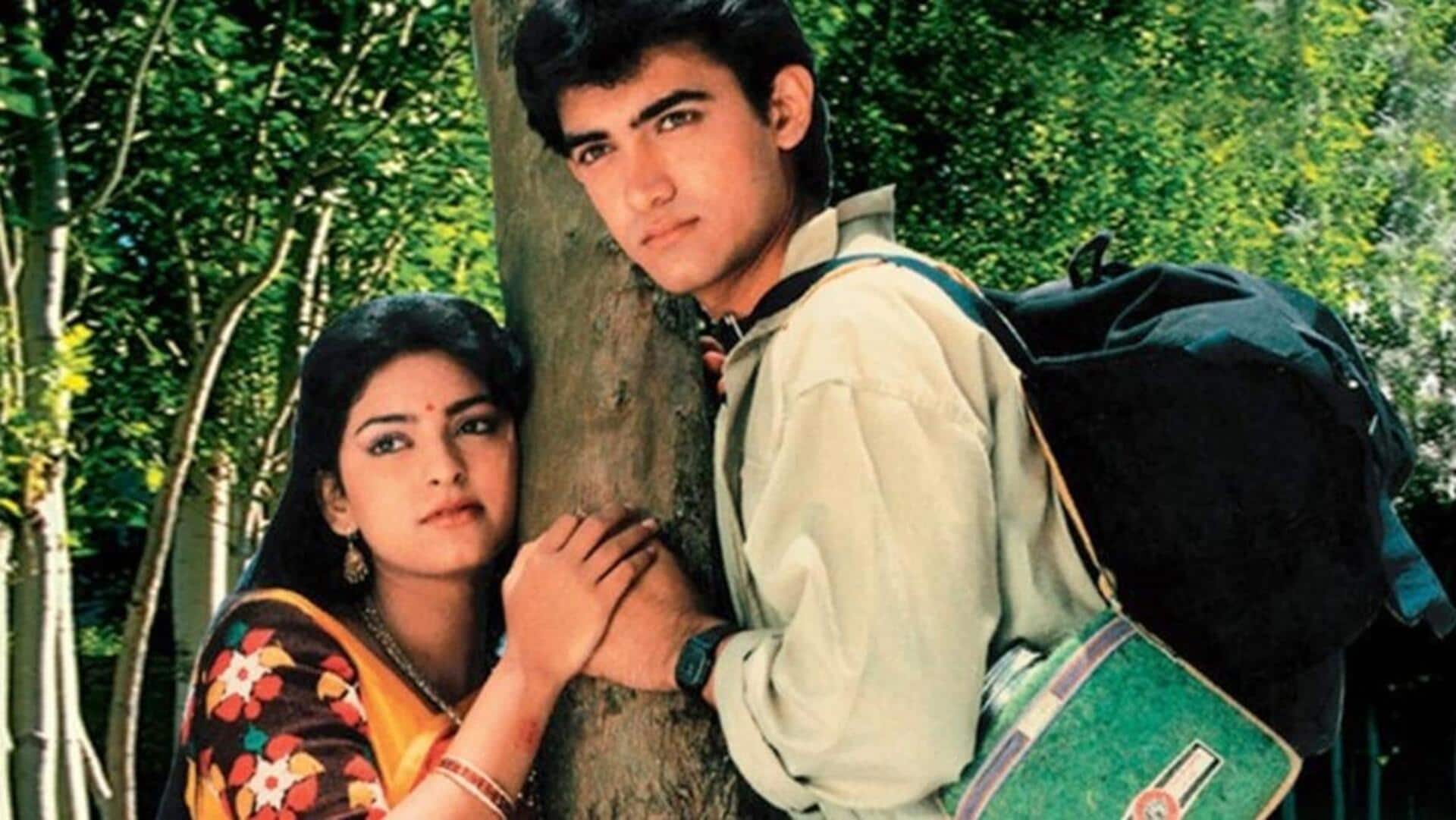
On April 29, the iconic Bollywood film Qayamat Se Qayamat Tak celebrated its 38th anniversary. To commemorate this occasion, actor Dalip Tahil revisited the intense creative conflict that happened behind the scenes. Speaking to The Times of India, he revealed that the tragic climax faced immense pressure from distributors who wanted a happy ending. The film starred Aamir Khan and Juhi Chawla in lead roles.
Creative conflict
The distributors' demand for a happy ending
Tahil revealed that the distributors were unhappy with the film's depressing ending.
"Their main concern was that both the lovers die in the end. They kept telling Nasir saab, 'Please change it, make it a happy ending.' There was a lot of pressure because they felt a tragic ending would not be commercially viable."
The demand for a happier resolution put producer-writer Nasir Hussain in a fix, since his son, director Mansoor Khan, was confident about the original climax.
Director's resolve
The emotional stand-off between the producer and director
Tahil recalled the emotional situation, saying, "Since it was Mansoor's first film, and Nasir saab was producing and had also written it, it became a very emotional situation."
He added that Mansoor made his stance clear to his father.
"Mansoor told his father very clearly, 'If you make a happy ending, then please take my name off the film as director.' That was a huge blow for Nasir saab," he shared.
Alternate ending
Shooting alternate ending and seeking advice from Rahi Masoom Raza
Despite the creative differences, the team decided to shoot an alternate happy ending.
However, Tahil revealed that Mansoor was not interested in this version. "He was sitting far away, reading a magazine, not engaging at all. He didn't want to have anything to do with that version."
Ultimately, Hussain sought advice from Rahi Masoom Raza, who told him that keeping the sad ending would make it a "classic film."
The makers retained the original ending in the final cut.