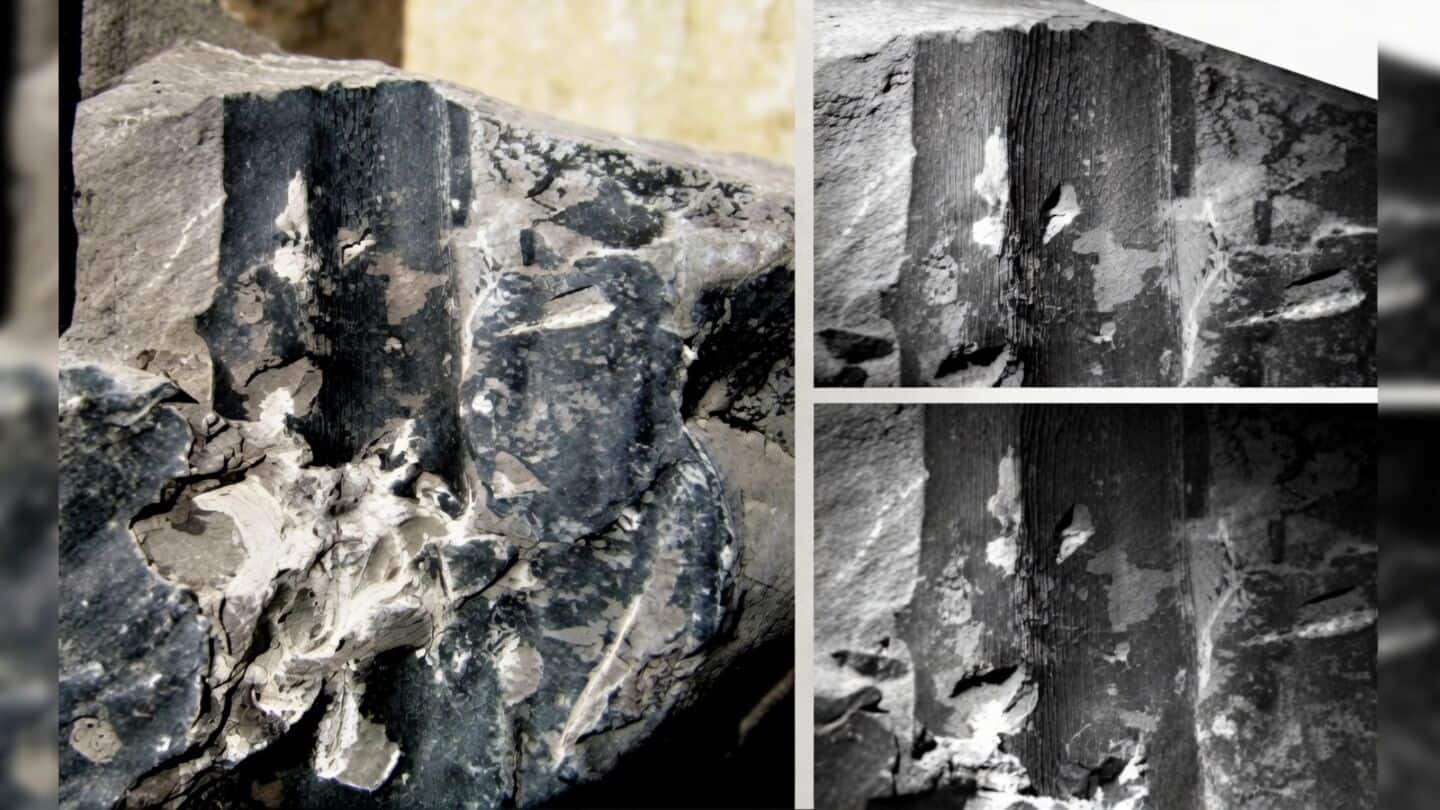
Birbal Sahni Institute finds at least 24-million-year-old kevda leaves
Researchers just found fossilized kevda leaves in Assam's Makum Coalfield, and they're at least 24 million years old.
The fossils look a lot like the kevda plants you see today, which is pretty wild.
This discovery comes from the Birbal Sahni Institute of Palaeosciences (BSIP) and was published in Geobios.
Fossils identified as Pandanaceae family
Kevda fossils are super rare worldwide, so this find is a big deal for scientists studying plant history.
By comparing these fossils to modern specimens, researchers figured out they belong to the Pandanaceae family.
They believe India acted as a safe spot for tropical plants during huge climate shifts millions of years ago, connecting plant evolution across continents.
Plus, these fossils show that ancient India had a warm, tropical vibe, helping us understand how climates changed and shaped plant life over time.