Delhi recorded over 9,200 respiratory deaths in 2024: Government data
What's the story
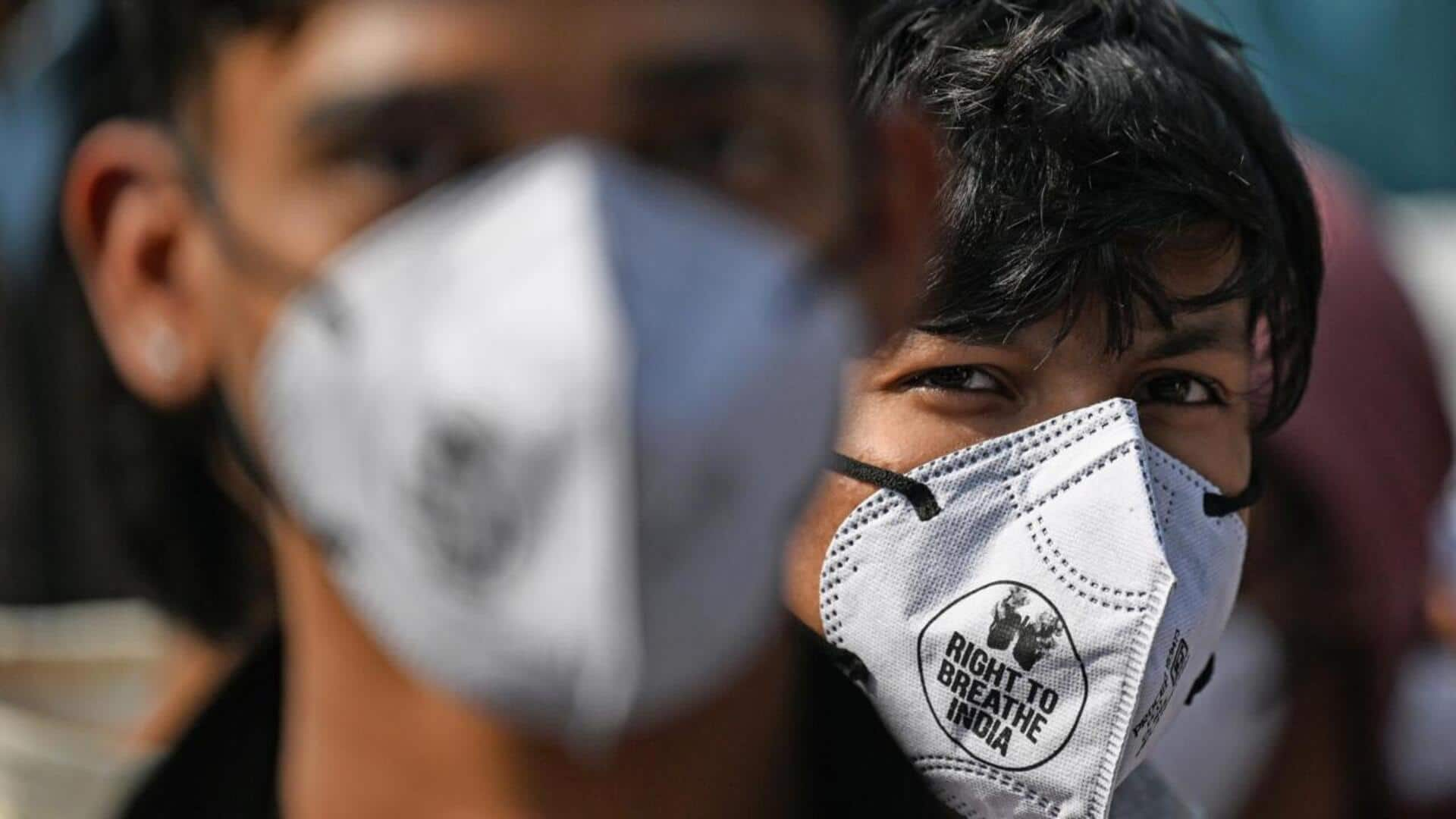
Delhi reported a total of 9,211 deaths due to respiratory diseases in 2024, according to the latest figures released by the Delhi government. This is an increase from 8,801 such deaths in 2023. The fatalities were mainly due to common respiratory diseases like asthma, pneumonia, lung cancer, and tuberculosis. However, they were not the leading cause of death; diseases of the circulatory system topped with 21,262 fatalities, followed by infectious and parasitic diseases with 16,060 deaths.
Demographic trends
Overall mortality and birth rates decline in Delhi
The overall mortality rate in Delhi also increased, with total deaths rising to 1.39 lakh in 2024 from 1.32 lakh the previous year. The data showed that of the total deaths, 85,391 were males and 54,051 were females. The number of births registered during the year was also lower at 3,06,459 compared to 3,15,087 in 2023. This decline contributed to a drop in birth rate from 14.66 per thousand people in 2023 to 14 per thousand people in 2014.
Health indicators
Infant mortality rate improves, sex ratio declines
Delhi also witnessed a slight improvement in its Infant Mortality Rate (IMR), which fell to 22.4 deaths per 1,000 live births from 23.61 in the previous year. The sex ratio at birth, however, declined slightly to 920 from 922 in the previous year. These figures were compiled monthly from around 100 major hospitals that accounted for 69.75% of all registered births in the region during this period.
Future estimates
Population projections and mortality rates in Delhi
The population of Delhi is projected to touch 2.65 crore by 2036. The average number of deaths per day also increased from 363 in 2023 to 381 in 2024 while daily births decreased from an average of 863 to an average of only around 837 over the same period. These demographic trends highlight significant changes in health and population dynamics within India's national capital territory over recent years.