How India is ensuring LPG crisis doesn't lead to cooking woes
With the closure of the Strait of Hormuz disrupting over half of India's LPG imports, the government is stepping in to keep kitchens running.
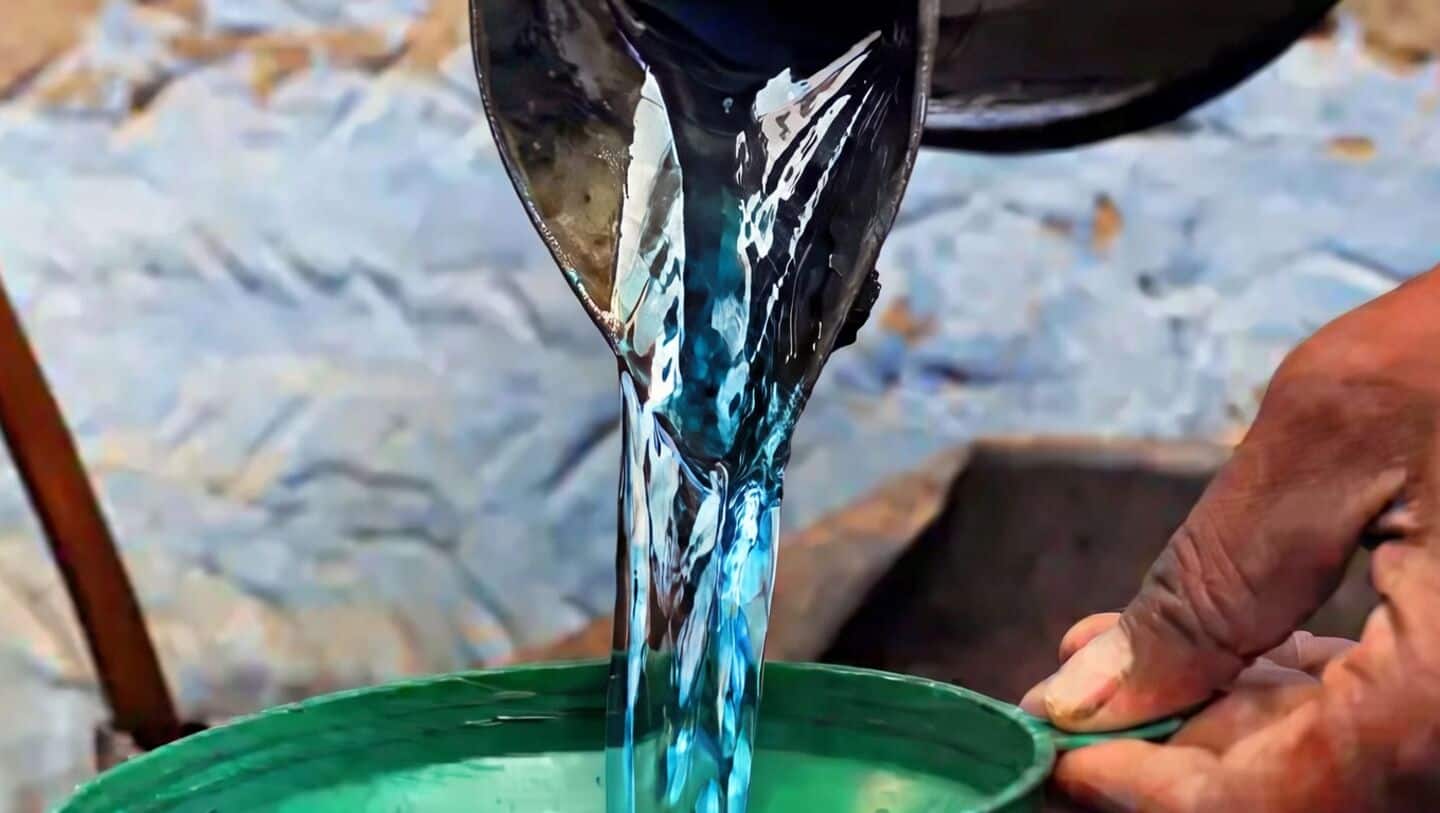
States are getting an extra 48,000 kilolitres of kerosene, temporarily reintroducing a fuel India has spent the past decade trying to phase out, on top of the regular quota of one lakh kilolitres, to help households cook.
It's a throwback move aimed at making sure no one is left scrambling for fuel.
What about hotels, restaurants?
Hotels and restaurants can now use coal and biomass for a month to free up more LPG for homes.
Commercial users will get just 20% of their usual supply, and refill wait times have been bumped up (now 25 days in cities, 45 days in rural areas).
LPG procurement has been diversified
A special group led by Amit Shah is tracking state needs closely.
Meanwhile, LPG procurement has been diversified to include cargoes from the US Norway, Canada, Algeria, and Russia; crude supplies have also been broadened across many alternate sources, and local production is up by 28%.
Refineries are working overtime to keep things steady.
Kerosene is being reintroduced in several states
Despite all this juggling behind the scenes, there haven't been any gasoline or diesel shortages at stations.
Kerosene is being reintroduced in several states and Union Territories after being phased out in parts of the country over the past decade (Delhi was declared kerosene-free in June 2014), all to make sure families can still put meals on the table during this rough patch.