How India secured 2 oil tankers' Hormuz passage from Iran
What's the story
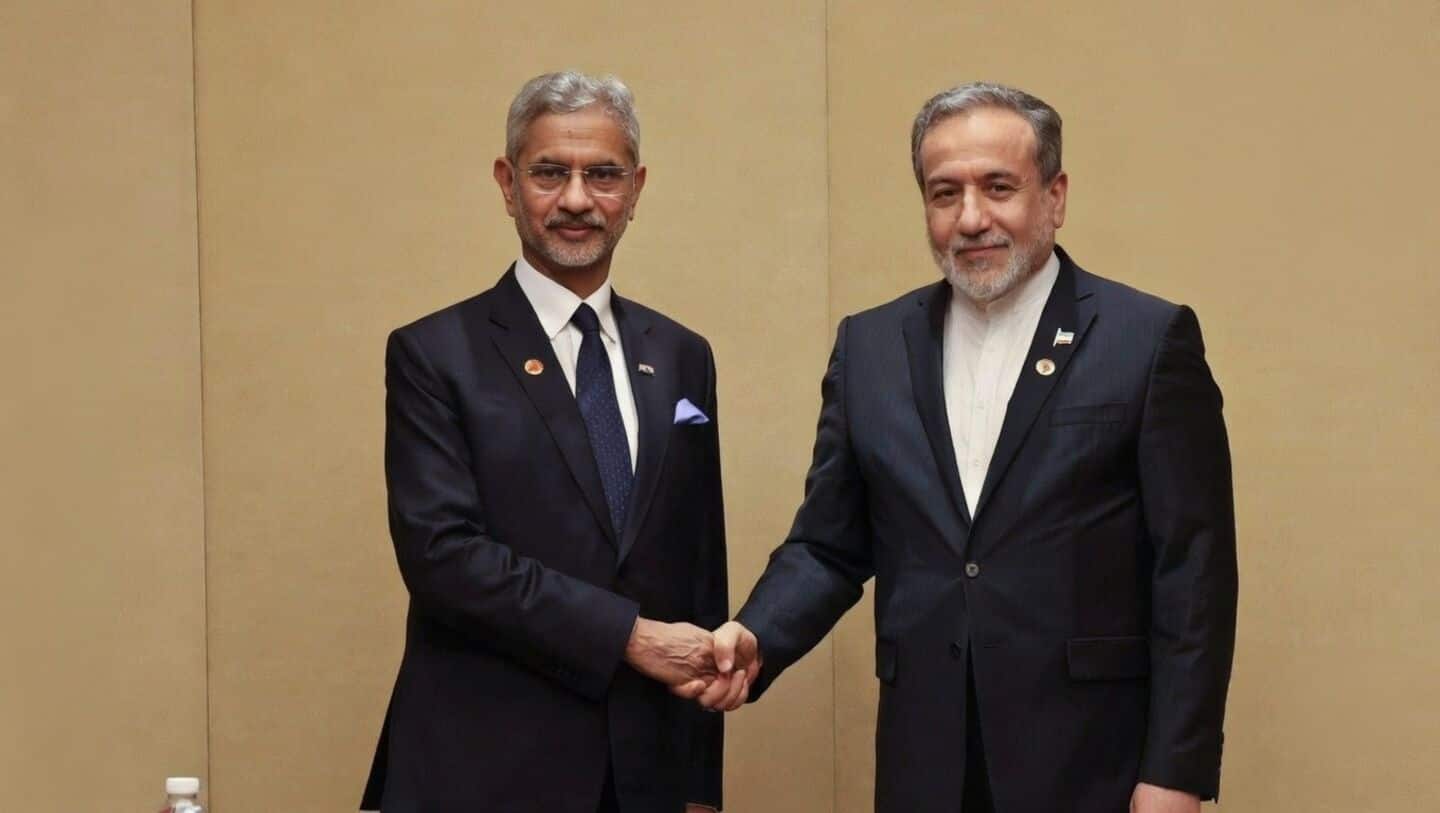
External Affairs Minister S Jaishankar on Sunday said that diplomatic engagement between India and Iran has borne fruit. "I am at the moment engaged in talking to them, and my talking has yielded some results," Jaishankar said. This comes after two Indian-flagged gas carriers, Shivalik and Nanda Devi, were allowed to pass through the Strait of Hormuz, a crucial waterway for global oil and gas transit that has been blocked by Iran amid its conflict with the US and Israel.
Diplomatic success
No 'blanket arrangement' for Indian-flagged ships
In an interview with The Financial Times, Jaishankar revealed that he has spoken with Iranian Foreign Minister Abbas Araghchi four times since the strait was closed.
He said, "Certainly, from India's perspective, it is better that we reason, coordinate and find a solution than not."
The minister also clarified there was no "blanket arrangement" for Indian-flagged ships and Iran had received nothing in return for allowing their passage.
Energy concerns
Asia's energy security concerns
The closure of the Strait of Hormuz has raised energy security concerns across Asia, especially for India and China. The disruption has pushed global oil prices above $100 a barrel.
India, the world's fourth-largest LNG importer and second-largest LPG buyer, is taking steps to prioritize gas allocation for households and transport sectors.
It imports roughly 60% of its LPG requirement, with 90% coming through the Strait of Hormuz.
Supply assurance
India assures no LPG shortage
Despite these challenges, the Indian government has assured there is no shortage of LPG cylinders and urged against panic buying.
The Centre has also said that India has enough stocks and supply arrangements to meet domestic demand.
It said the government's highest priority is to ensure uninterrupted domestic LPG supply, particularly for households and priority sectors such as hospitals and educational institutions.
LPG production from refineries has also been increased by about 31%.