India's air superiority forced Pakistan to seek ceasefire: Think tank
What's the story
The Indian Air Force (IAF) achieved air superiority over large parts of Pakistan during Operation Sindoor, a Swiss military think tank has said. The report, released by the Centre for Military History and Perspective Studies (CHPM), states that the IAF's dominance forced Islamabad to request a ceasefire by May 10, 2025. The study was authored by military historian Adrien Fontanellaz and translated by former French defense attaché to India Benedict Smith.
Counter operations
Pakistan Air Force's capabilities diminished post-initial strikes
The report further states that the Pakistan Air Force (PAF) lost its ability to replicate successful air operations post-initial strikes on May 7.
This was due to the destruction of forward air-surveillance radars and threats from India's S-400 air defense systems to Pakistani AWACS and standoff strike platforms.
Pakistani strikes between May 7 and 10 were largely neutralized by Indian defenses, according to the report.
Counterattack
Initial Indian strikes and Pakistani retaliation
On May 7, the IAF launched two strike packages targeting Jaish-e-Mohammed (JeM) headquarters in Bahawalpur and Lashkar-e-Taiba (LeT) headquarters in Muridke.
One formation penetrated Pakistani airspace at low altitude before executing a pop-up attack.
Pakistan responded by scrambling over 30 fighters and firing PL-15 long-range air-to-air missiles, prioritizing Rafales.
While Islamabad claimed six Indian aircraft were destroyed, the Swiss study suggested losses of at least one Rafale, one Mirage 2000, and a third fighter, either a MiG-29 or a Su-30MKI.
Retaliatory strike
Pakistan's massive attack and India's counterstrike
On May 7, the PAF launched a massive attack with over 300 drones and JF-17s firing CM-400AKG missiles. Despite targeting Indian Army positions and air stations, Pakistan failed to saturate Indian air defenses.
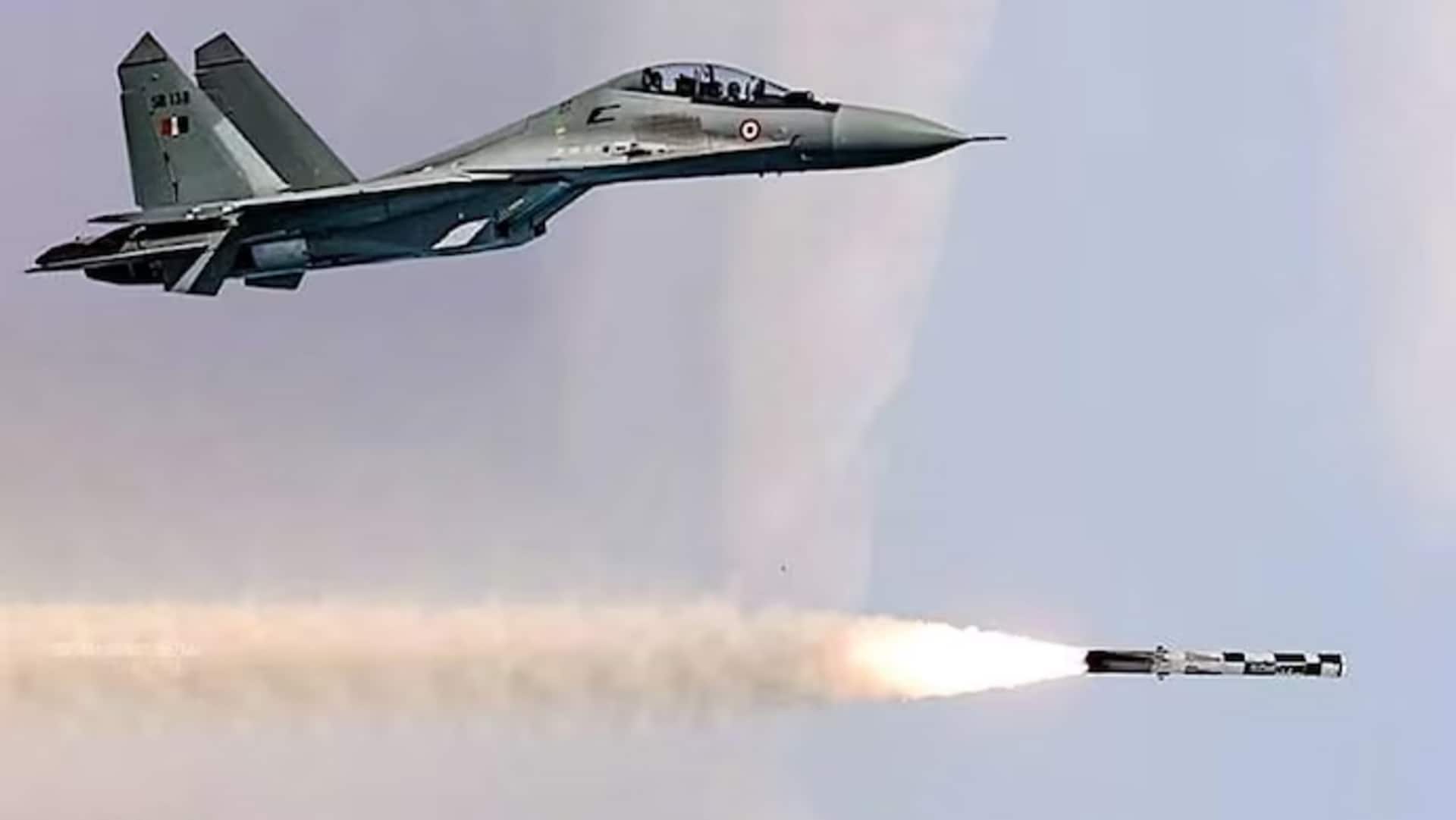
On May 9, India launched a counterstrike using BrahMos, SCALP-EG, and Rampage missiles from Su-30MKIs, Jaguars, and Rafales.
Seven targets inside Pakistan were struck by the IAF on May 10.
Strategic shift
Operation Sindoor's impact on India-Pakistan relations
The CHPM report concludes that Operation Sindoor represents a major shift in India's counter-terrorism strategy, equating large-scale terrorist attacks with acts of war.
It removes the distinction between terrorist groups and their state sponsors, highlighting India's determination to respond decisively without being deterred by Pakistan's nuclear arsenal.
The operation ended with Islamabad requesting a ceasefire on May 10, as political objectives were achieved through retaliatory strikes against JeM and LeT.