'Easy to blame buses, trucks for pollution': SC raps CAQM
What's the story
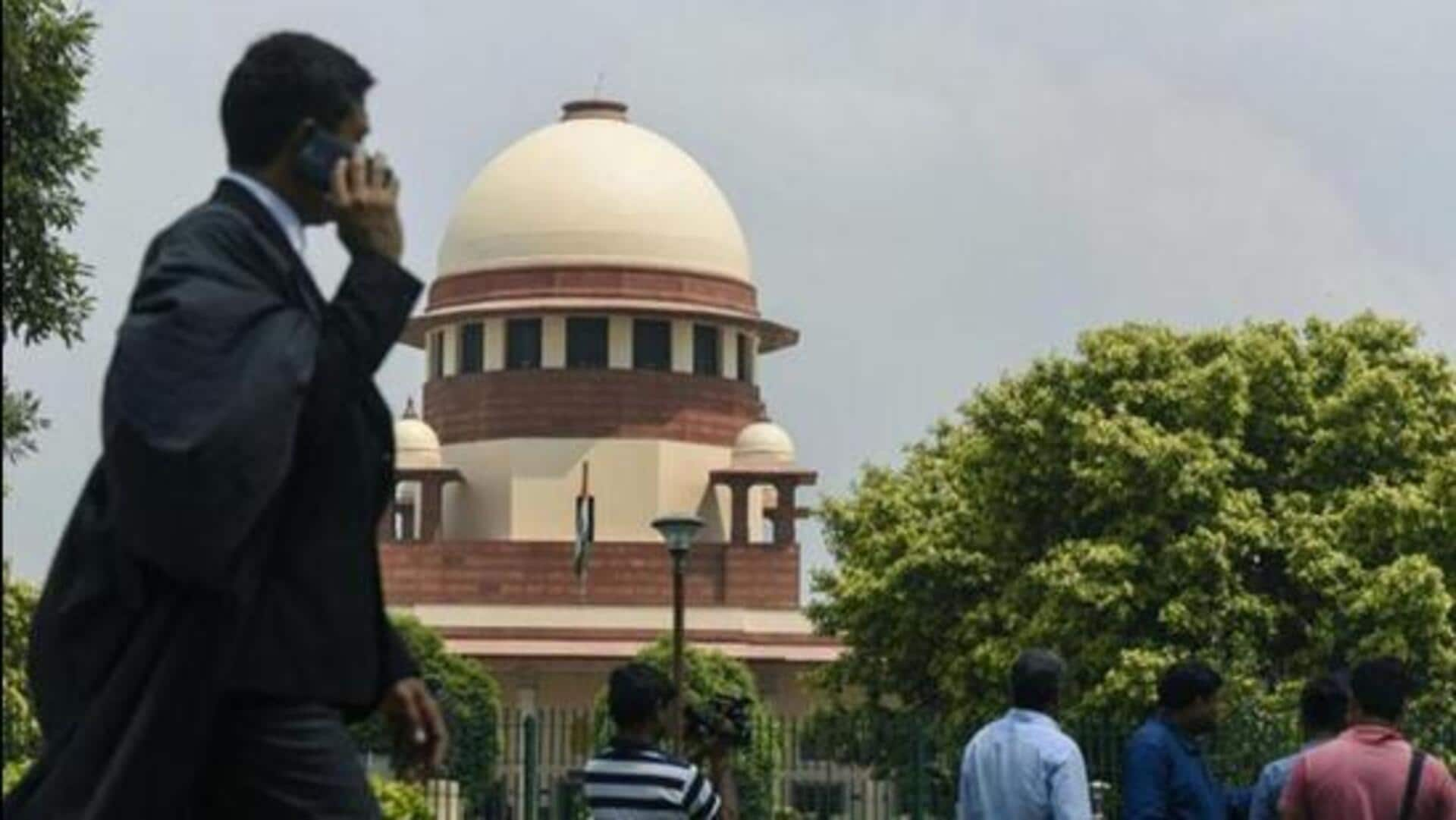
The Supreme Court has emphasized the need for scientific evidence in addressing the Delhi-NCR air pollution crisis. The court questioned the common practice of blaming buses and trucks for pollution, asking how people would commute if public transport were stopped. It also pointed out that farmers are often unfairly blamed without considering other factors.
Pollution analysis
SC questions selective attribution of pollution causes
The court referred to the COVID-19 pandemic when stubble burning peaked but Delhi had clear skies, indicating that pollution sources are complex.
The bench stressed identifying actual reasons for pollution before finding solutions.
It directed authorities to make these reasons public and outline how they plan to address them.
Chief Justice of India (CJI) Surya Kant asked, "Have you been able to identify the causes? That is the main issue."
Expert assessment
SC directs CAQM to identify pollution sources
The Supreme Court has directed the Commission for Air Quality Management (CAQM) to identify pollution sources and provide an estimated assessment of maximum contributors.
The court clarified that it doesn't claim to be a "super expert" on the issue but will facilitate informed deliberations for transparent decision-making.
It also pulled up CAQM for its slow approach in identifying causes and finding long-term solutions, warning that delays could lead to "further complications."
Pollution factors
SC highlights need for comprehensive assessment
The court highlighted construction activity and vehicular emissions as areas needing expert assessment, acknowledging competing social needs.
CJI Kant asked about the impact of construction on pollution given the demand for housing.
On vehicular pollution contributing nearly 40%, he warned against simplistic solutions like stopping buses and trucks.
"It's easy to say buses and trucks cause pollution. If buses are stopped, how will the common man travel?" the court asked.
Pollution update
Delhi's air quality remains a concern
According to the Central Pollution Control Board's Sameer app, Delhi's average Air Quality Index (AQI) stood at 293 on Tuesday morning, falling in the 'poor' category.
Chandni Chowk recorded an AQI of 352 in the 'very poor' category.
The Air Quality Early Warning System predicts that Delhi's air quality will remain poor to very poor for the next six days.