India changes rules for alcohol-based cough syrups, oral medicines
What's the story
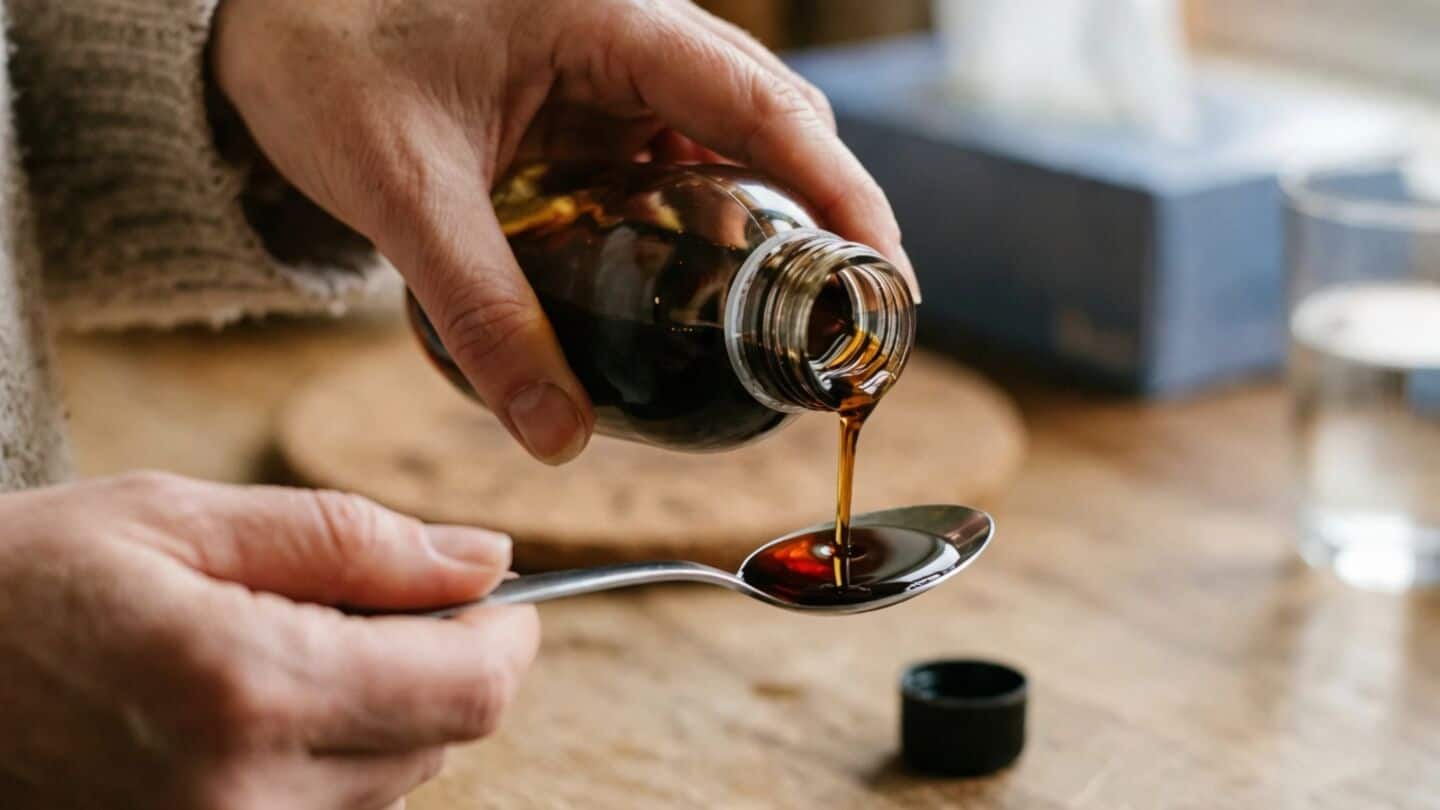
The Indian government has amended the Drugs Rules, 1945, to include all oral formulations with over 12% ethyl alcohol in bottles larger than 30 milliliters (ml) under Schedule H1. This means these medicines will be treated as prescription medicines and a prescription from a medical professional will be required for their purchase. The move aims to curb the misuse of such medicines, which include cough syrups and tonics.
New regulations
Amendment expected to strengthen regulatory oversight
"The amendment is expected to strengthen regulatory oversight over those medicinal products containing alcohol, ensuring their supply only through the regulated pharmaceutical supply chain. It will significantly reduce the possibility of diversion and misuse while ensuring their continued availability for legitimate therapeutic use," the government said.
The decision to tighten regulations comes after regulatory committees such as the Drugs Consultative Committee (DCC) and the Drugs Technical Advisory Board (DTAB) recommended closer control of these formulations.
Regulatory review
Some products with 80% ethyl alcohol content sold
PTI sources said the amendments seek to change the part under Schedule K of the Drugs Rules that was misused.
"It allowed certain preparations containing ingredients such as cardamom, ginger and other spices to remain exempt from the prescribed limits on alcohol content. This exemption led to the sale of some products with ethyl alcohol content as high as 80 percent," a source said.
Prescription-only
Schedule H1 was introduced in 2013
Schedule H1 was introduced in 2013 to improve oversight of medicines requiring stricter control than routine prescription drugs.
Unlike ordinary Schedule H medicines, Schedule H1 drugs require mandatory prescriptions for purchase and have prominent warnings on their labels.
Retailers must maintain detailed dispensing records, which are available for inspection by drug regulators.
Potential dangers
Not all medicines containing alcohol are harmful
It is worth noting that not all medicines containing alcohol are harmful, as ethyl alcohol is commonly used to improve stability and dissolve active ingredients.
However, excessive consumption can lead to adverse effects, especially among vulnerable populations like children and older adults.
A 2024 review in the Journal of Medical Toxicology found some formulations may contain enough alcohol to contribute to measurable blood concentrations under certain circumstances.