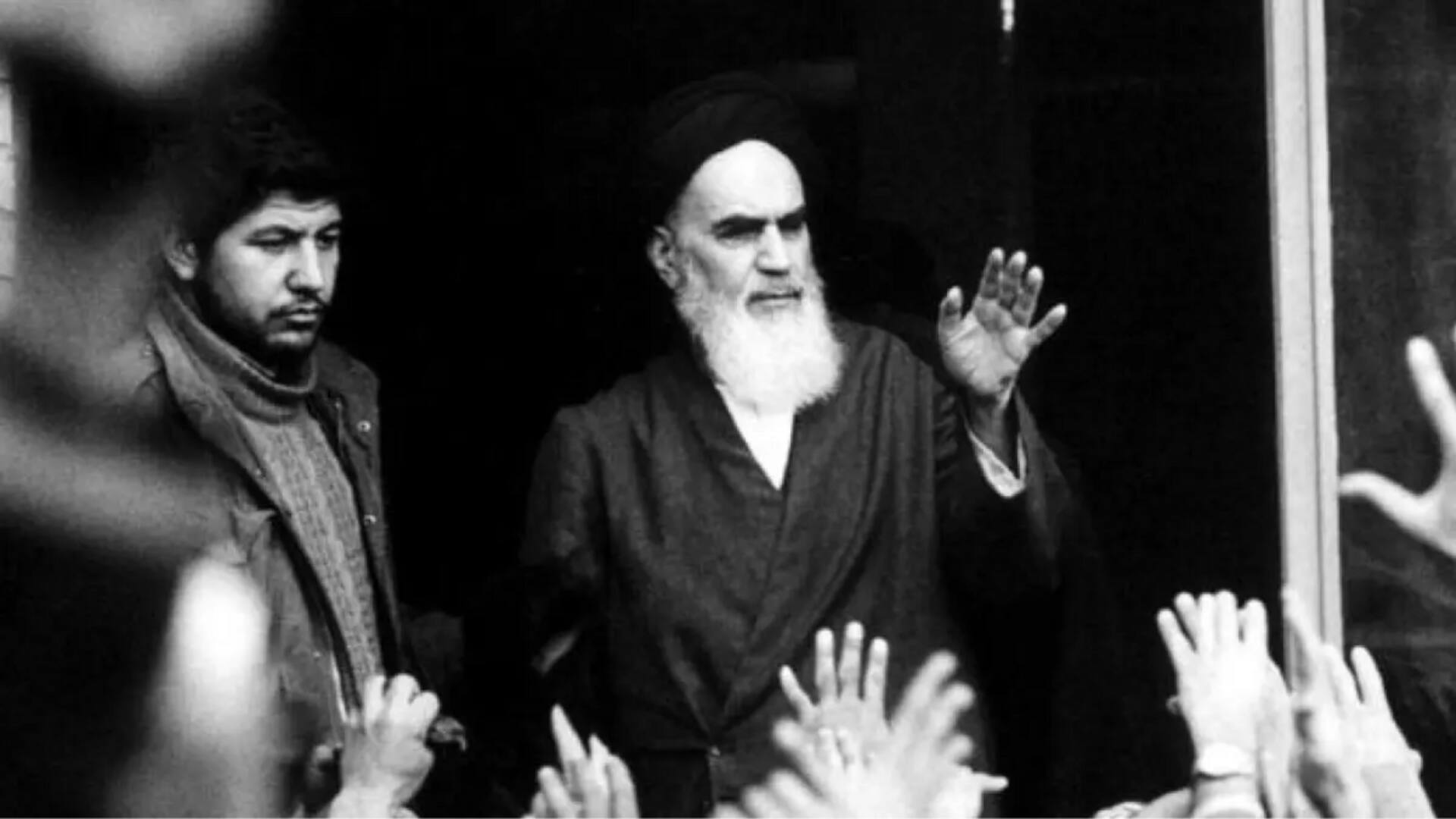
Khamenei gone, spotlight falls on Khomeini's Indian ancestral village
What's the story
The death of Iran's Supreme Leader Ayatollah Ali Khamenei has brought a small Indian village into the global spotlight. Located in Uttar Pradesh's Barabanki district, Kintoor is historically significant as it was the ancestral home of Syed Ahmed Musavi, the grandfather of Ayatollah Ruhollah Musavi Khomeini, who led the 1979 Islamic Revolution in Iran. Syed Ahmed Musavi was a key figure in shaping the spiritual environment that later influenced Khomeini's worldview.
Ancestral roots
Who is Khomeini's grandfather
Syed Ahmed Musavi, Khomeini's grandfather, was born in the early 19th century in India. He moved to Najaf in Iraq and later settled in Iran's Khomein city.
Musavi kept the title "Hindi," a testament to his Indian roots, which is recorded in Iranian documents.
His influence on the spiritual landscape is often cited as instrumental in shaping Khomeini's worldview.
Succession uncertainty
Death leaves power vacuum in Iran
Khamenei, who succeeded Khomeini in 1989, ruled for decades and expanded the Shiite clerical class.
His death has left a power vacuum in the Islamic Republic of Iran.
The 88-seat Assembly of Experts, mostly hard-line clerics, will choose his successor, but no clear candidate has emerged yet.
Amid this uncertainty, Ali Larijani has emerged as a central figure in Iran's security establishment.
Political landscape
Ali Larijani emerges as central figure
Appointed chief adviser by Khamenei shortly before his death, Larijani hinted at forming a temporary leadership council to ensure continuity.
He has been instrumental in nuclear negotiations and regional diplomacy and was recently appointed Secretary of the Supreme National Security Council (SNSC).
He has also visited Oman for indirect talks with Washington and Moscow to strengthen security cooperation.
Despite international sanctions over his alleged role in suppressing protests, Larijani remains a key player in Iran's diplomatic efforts.