Maharashtra survey shows markups of up to 2,841% in hospitals
What's the story
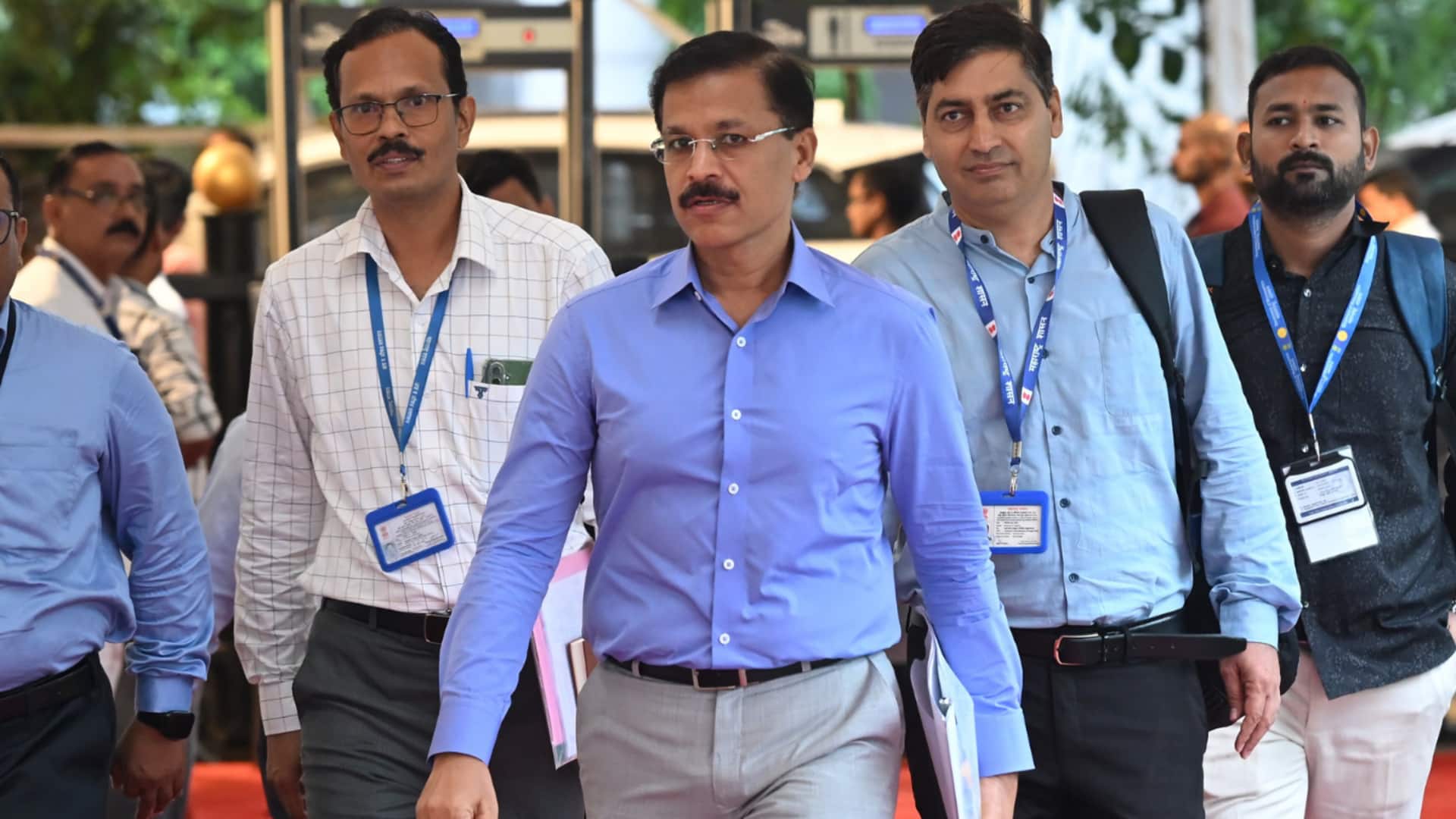
Maharashtra Food and Drugs Administration (FDA) Commissioner Tukaram Mundhe has sought a central review of hospital consumables' pricing after a state survey found markups of up to 2,841%. The survey covered items used in inpatient care such as intravenous infusion sets, syringes, nebulizers, oxygen masks, and catheters. It compared procurement prices by private hospitals with their printed maximum retail prices (MRPs) or amounts charged to patients.
Price disparity
Mundhe highlights patient protection concerns
According to Mint, the survey found catheters procured for ₹29.41 each were bought at an MRP of ₹310. IV infusion sets bought for ₹11.05 were billed to patients at ₹325.
Mundhe told the publication over the phone that these discrepancies are not just pricing issues but also patient-protection concerns, as patients often lack information to determine if hospital product prices are fair.
Ongoing investigation
NPPA probing manufacturers' and intermediaries' roles
The National Pharmaceutical Pricing Authority (NPPA) is now looking into whether manufacturers and intermediaries are adding huge margins before products reach patients.
Officials told Mint that the NPPA is comparing company filings and internal price lists with the Maharashtra survey.
Similar representations have also been received from drug-control authorities in Punjab, Rajasthan, and Tamil Nadu.
Regulatory framework
Understanding the NPPA's pricing mechanism
Under the Drugs (Prices Control) Order, 2013, the NPPA regulates ceiling prices for scheduled formulations and specified medical devices.
Non-scheduled products are monitored under Paragraph 20, which limits MRPs to a maximum increase of 10% over a year.
This mechanism monitors annual price hikes but doesn't set a uniform ceiling price for all device categories.
Past actions
NPPA has previously imposed direct price controls
The NPPA has previously imposed direct price controls on categories such as coronary stents and knee implant systems.
It also used trade-margin rationalization during the COVID-19 pandemic for oxygen concentrators and other commonly used devices.
No comments have been made by Union ministries, the Department of Pharmaceuticals, NPPA, and Central Drugs Standard Control Organisation so far.