H1N1 cases on rise in Delhi, no cause for panic
What's the story
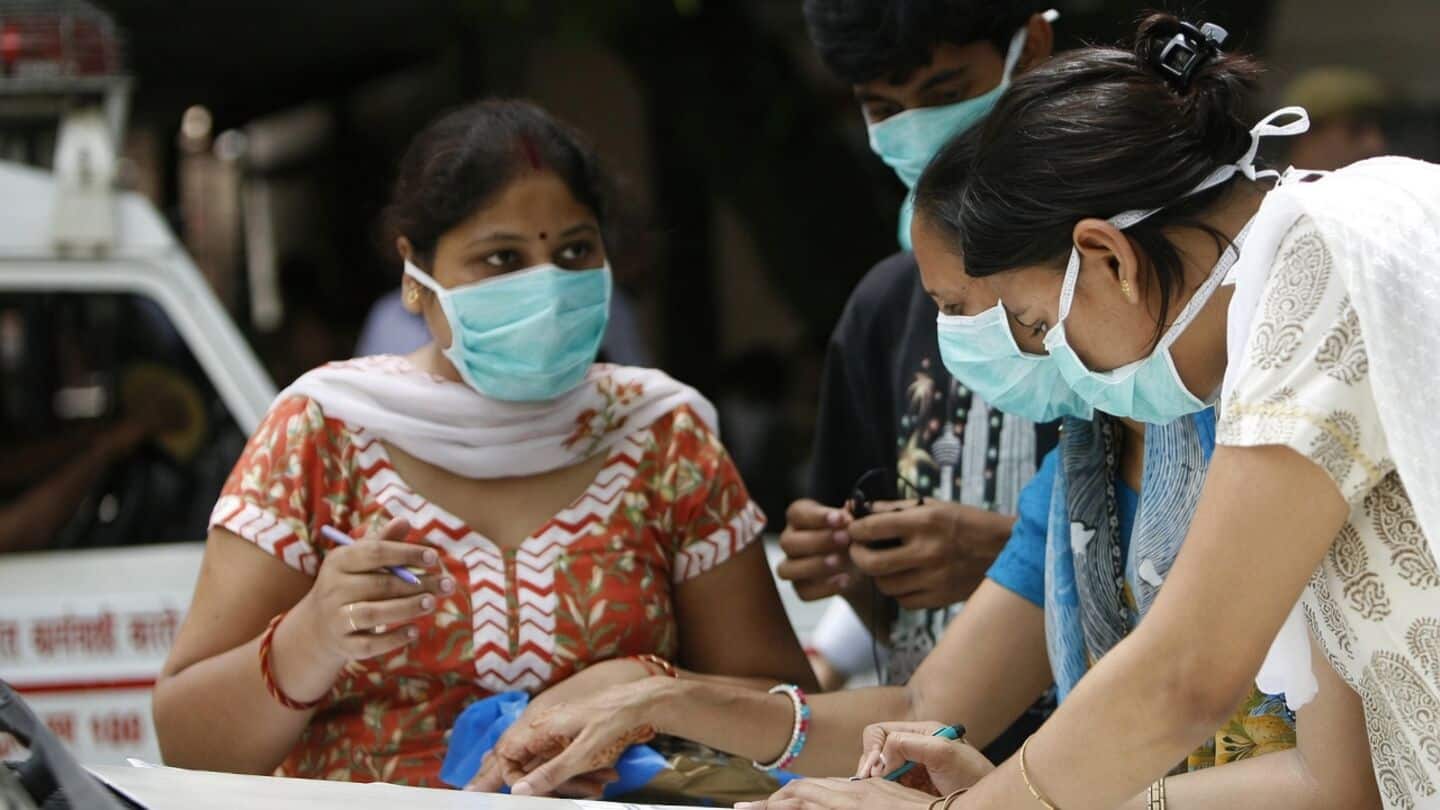
Delhi and the National Capital Region (NCR) are witnessing a spike in H1N1, also known as swine flu. The increase comes amid humid and changing weather conditions. However, sources in the Delhi government have said there is "no cause for panic" despite the rising number of cases. The Delhi Health Department held a meeting on Thursday with the Municipal Corporation of Delhi (MCD) health department and hospitals to review the situation.
Government response
Union health minister to meet officials
The Delhi Health Department has been directed to increase surveillance and strengthen preparedness.
Union Health Minister JP Nadda will meet Delhi's health officials on Friday to review the H1N1 situation.
The meeting will include officials from the Ministry of Health and Family Welfare and the Government of the National Capital Territory of Delhi.
Case surge
Rise in cases during monsoon
Delhi has reported 1,777 H1N1 cases this year, a sharp rise from 229 cases during the same period last year.
On August 20, the national capital saw 159 fresh influenza cases, with H1N1 cases making up 114 of the number.
The spike comes during monsoon season, when respiratory infections are more common.
Health experts say that while many recover from influenza, older adults and those with chronic conditions are at greater risk of severe illness.
Health advice
Know symptoms and treatment
H1N1 can cause sudden fever, dry cough, body aches, headache, sore throat, chills and fatigue.
In some cases, it can lead to breathing difficulties and low oxygen levels.
People are advised to seek medical attention if they experience breathlessness or persistent high fever.
Treatment is particularly important for high-risk patients and those with moderate to severe disease.
Oseltamivir is most effective when started early, while antibiotics are not routinely required unless there is a secondary bacterial infection.
Preventive measures
What are the preventive measures?
Health experts recommend maintaining hand hygiene, following cough etiquette, and avoiding close contact with others when unwell.
Influenza vaccination can help reduce the risk of infection and complications.
Despite the rise in cases, Delhi government officials have stressed that there is no need for panic and that health authorities are taking steps to strengthen monitoring and preparedness.