5 things to know before your driving test in India
What's the story
Preparing for the Indian driving test can be a daunting task, especially if you are a beginner. However, with the right guidance and practice, you can ace the test with confidence. From understanding the rules of the road to mastering vehicle control, there are several key areas you need to focus on. Here are five practical tips to help you prepare effectively and increase your chances of passing the Indian driving test.
Tip 1
Understand traffic rules thoroughly
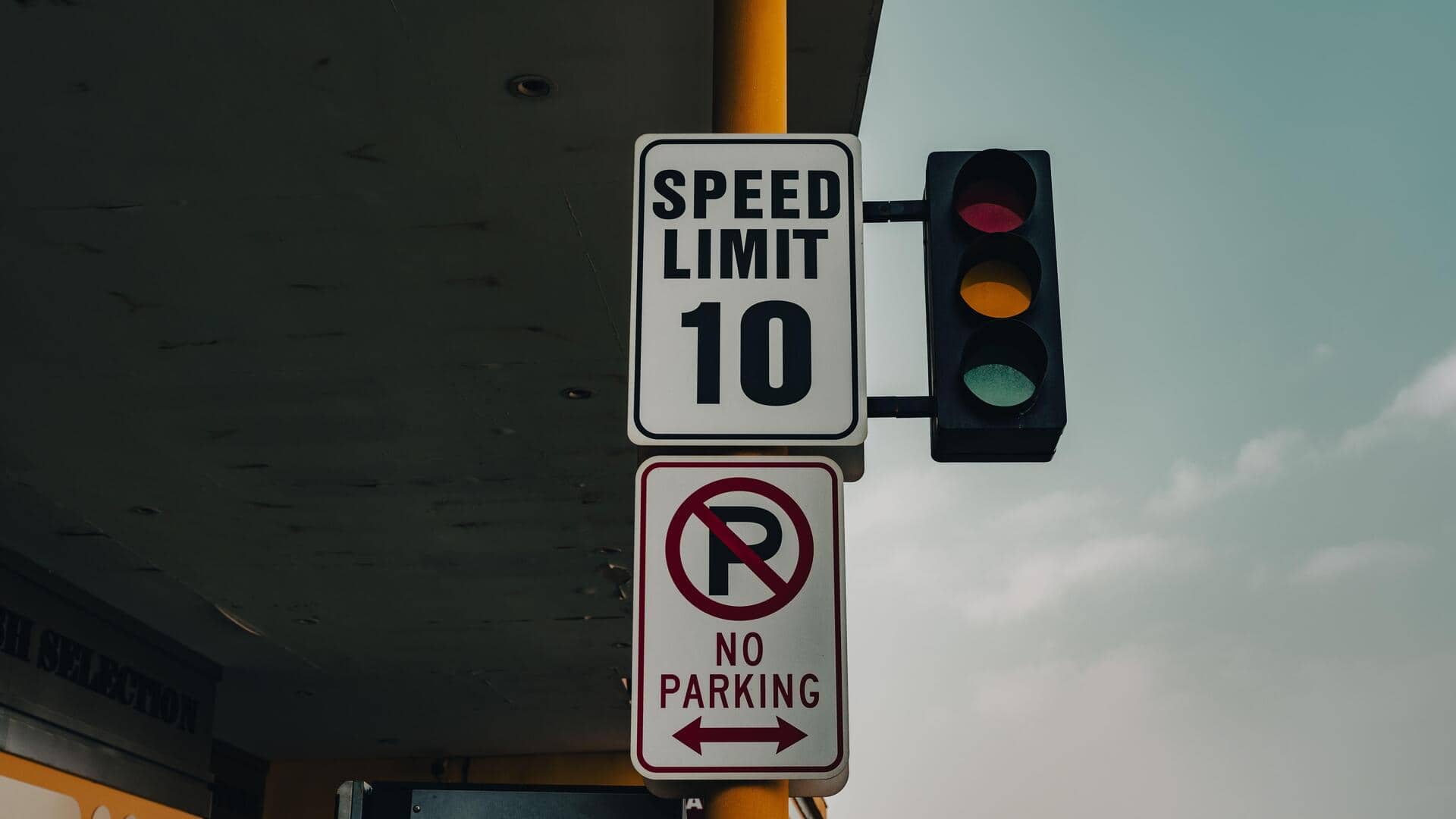
Before you hit the road, it is important to know the traffic rules in India.
Read the Motor Vehicles Act and familiarize yourself with signs, signals, and lane discipline.
Knowing these rules will not only help you pass the written part of the test, but also make you a safer driver.
Tip 2
Practice vehicle control regularly
Regular practice is key to mastering vehicle control skills like steering, braking, and accelerating.
Spend time driving in different conditions and terrains to build your confidence and adaptability.
This hands-on experience will help you respond better during the practical test.
Tip 3
Focus on parking skills
Parking is a major part of the Indian driving test.
Practice parallel parking, reverse parking, and angle parking in different spaces.
Make sure you are comfortable with these maneuvers to avoid any penalties during your assessment.
Tip 4
Stay calm under pressure
Nervousness can affect your performance during the driving test.
To stay calm, practice relaxation techniques like deep breathing or visualization before your test day.
Arriving early at the test center can also give you some time to relax and get mentally prepared.
Tip 5
Review common mistakes
Knowing common mistakes that candidates make during the Indian driving test can help you avoid them.
These include not using turn signals properly, not checking mirrors frequently, and not maintaining safe distances from other vehicles on the road.