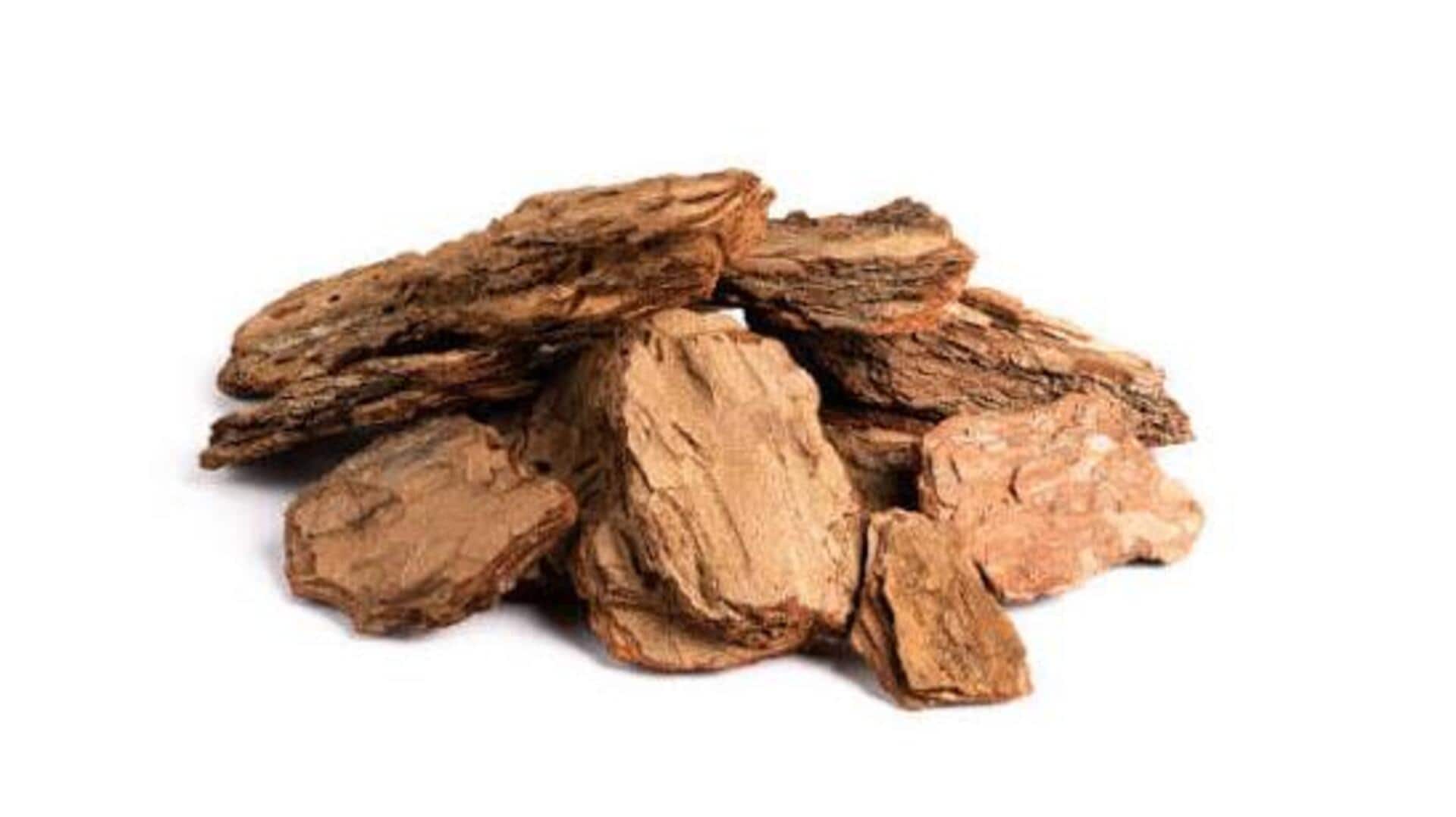
5 tree barks known for their natural healing properties
What's the story
African barks have been used for centuries in traditional medicine, known for their healing properties. These natural remedies are derived from the rich biodiversity of the continent, offering various health benefits. From treating ailments to promoting overall well-being, these barks are an integral part of many African cultures. Here are five notable African barks that are celebrated for their natural healing benefits.
#1
The potent benefits of African cherry bark
African cherry bark is famous for its antioxidant properties. It is used to treat inflammation and improve digestion.
The bark also has compounds that may help regulate blood sugar levels, making it beneficial for those with diabetes.
Its antimicrobial properties make it a popular choice for treating skin conditions and promoting wound healing.
#2
Healing properties of yellowwood bark
Yellowwood bark is commonly used in traditional medicine to treat respiratory issues such as coughs and bronchitis.
It contains compounds that help soothe irritated airways and reduce mucus production.
Additionally, yellowwood bark is known to have anti-inflammatory effects, which can help relieve joint pain and swelling.
#3
Benefits of African potato bark
African potato bark is famous for its immune-boosting properties.
It is rich in vitamins and minerals that support the body's natural defenses against infections.
This bark is also used to promote healthy skin by reducing acne and other blemishes due to its antibacterial properties.
#4
The healing power of devil's claw bark
Devil's claw bark is widely known for its pain-relieving effects, particularly in cases of arthritis or muscle pain.
The active compounds in devil's claw help reduce inflammation by blocking certain enzymes responsible for swelling and discomfort.
This makes it a popular choice among those seeking natural alternatives to manage chronic pain conditions.
#5
Embracing the benefits of wild olive tree bark
Wild olive tree bark has been traditionally used to support cardiovascular health by improving circulation and lowering cholesterol levels.
Its high antioxidant content protects cells from oxidative stress, which is associated with heart disease progression.
Furthermore, wild olive tree bark may aid digestion by promoting gut health through its prebiotic effects on beneficial bacteria in the intestines.