
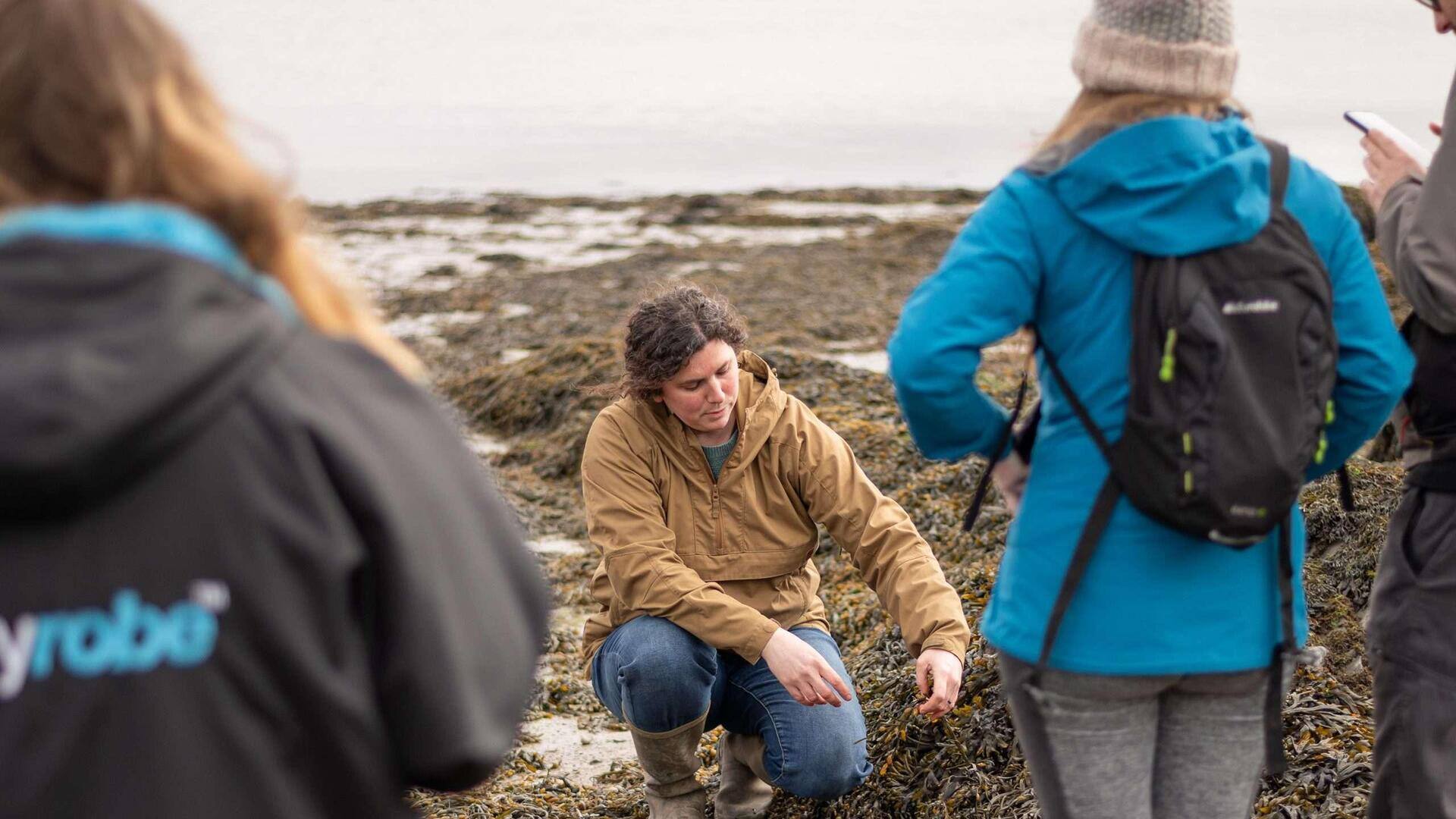
Mulling something offbeat? Try coastal foraging in Wales
What's the story
Wales' coastline is a treasure trove of foraging opportunities, offering a diverse range of edible plants and seaweeds. Foraging along these shores can be both an adventurous and sustainable way to source food. From the rugged cliffs to sandy beaches, the coastal areas are home to a variety of wild foods that have been used by locals for centuries. Here are five must-try foraging finds that you can discover on your next coastal adventure in Wales.
#1
Sea buckthorn berries
Sea buckthorn berries are bright orange fruits that grow on thorny shrubs along some Welsh coastlines. These berries are packed with vitamin C and have a tart flavor, making them great for jams or juices. They usually grow in clusters and can be easily spotted against the greenery. When foraging for these berries, make sure you wear gloves as the thorns can be sharp.
#2
Samphire
Samphire, also known as sea asparagus, is a succulent plant that grows in salty marshes and coastal areas. It has a crisp texture and salty taste, which makes it an excellent addition to salads or as a side dish. Samphire is usually found growing close to the water's edge during low tide. Harvesting this plant is easy; simply snap off the young shoots.
#3
Wild garlic
Wild garlic flourishes in damp woodlands near some Welsh coasts. Its broad leaves and white flowers give off a strong garlic aroma when crushed. The leaves can be eaten raw in salads or cooked like spinach. Foraging wild garlic is simple; just look for areas where its distinctive smell is strongest.
#4
Dulse seaweed
Dulse is a red seaweed that grows on rocks along the Welsh coastline at low tide. It has a chewy texture with a slightly nutty flavor when dried or cooked briefly in soups or stews. Dulse can be harvested year-round but is best collected during spring months when it is most abundant.
#5
Rock samphire
Rock samphire, commonly confused with marsh samphire, grows on rocky shorelines. It has a crisp texture and salty taste, perfect for enhancing dishes without overpowering them. This plant is usually found in crevices and tidal pools, making it easy to spot during low tide. Harvesting it carefully ensures sustainability, preserving its habitat for future generations.