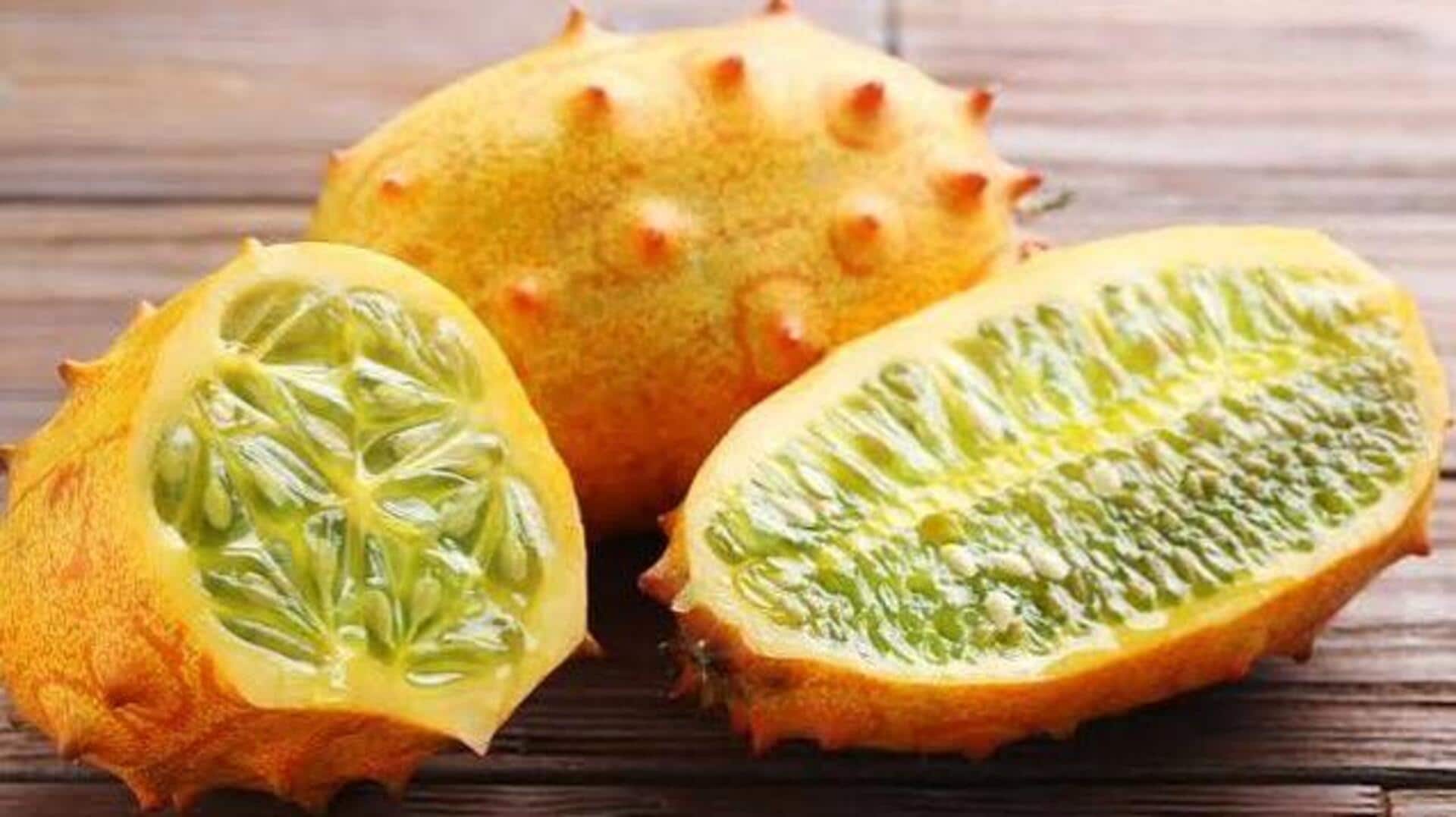
These melons are a staple in African cuisine
What's the story
African cooking melons are a staple in many traditional cuisines across the continent. These melons are not only delicious but also packed with nutrients, making them an integral part of daily meals. From savory dishes to refreshing drinks, these fruits are versatile and widely used. Here are popular African cooking melons that have made their mark in culinary traditions.
#1
Egusi melon: A nutritious seed source
Egusi melon is famous for its seeds, which are rich in protein and fat. The seeds are commonly ground into a paste to thicken soups and stews.
Egusi soup is a popular dish in West Africa, where the seeds lend flavor and texture.
This melon is also cultivated for its nutritional benefits.
#2
Kiwano (horned melon): A unique flavor
Kiwano, or horned melon, is known for its spiky exterior and bright green interior.
Its taste is a mix of banana and lemon, making it an interesting addition to fruit salads or smoothies.
The pulp can also be used as a topping for desserts or yogurt bowls, adding both color and flavor.
#3
Bitter melon: A unique ingredient
Bitter melon has a distinct taste that may not be for everyone, but it is loved in many African cuisines for its health benefits.
It is usually cooked with spices in savory dishes, such as stir-fries or curries, where its bitterness balances well with other flavors.
#4
Watermelon: A refreshing staple
Watermelon is loved all over Africa for its refreshing taste and high water content.
It is commonly eaten fresh, or added to salads and desserts.
In some regions, watermelon seeds are roasted and eaten as a snack.
The fruit is also used to make juices and smoothies, providing hydration and essential vitamins.
#5
Tiger nut (chufa): An ancient crop
Though it is not a melon, tiger nut, or chufa, has been cultivated since ancient times in Africa as a food source.
The tubers can be eaten raw or roasted as snacks.
They are also ground into flour for baking purposes, or used to make plant-based milk alternatives similar to almond milk.