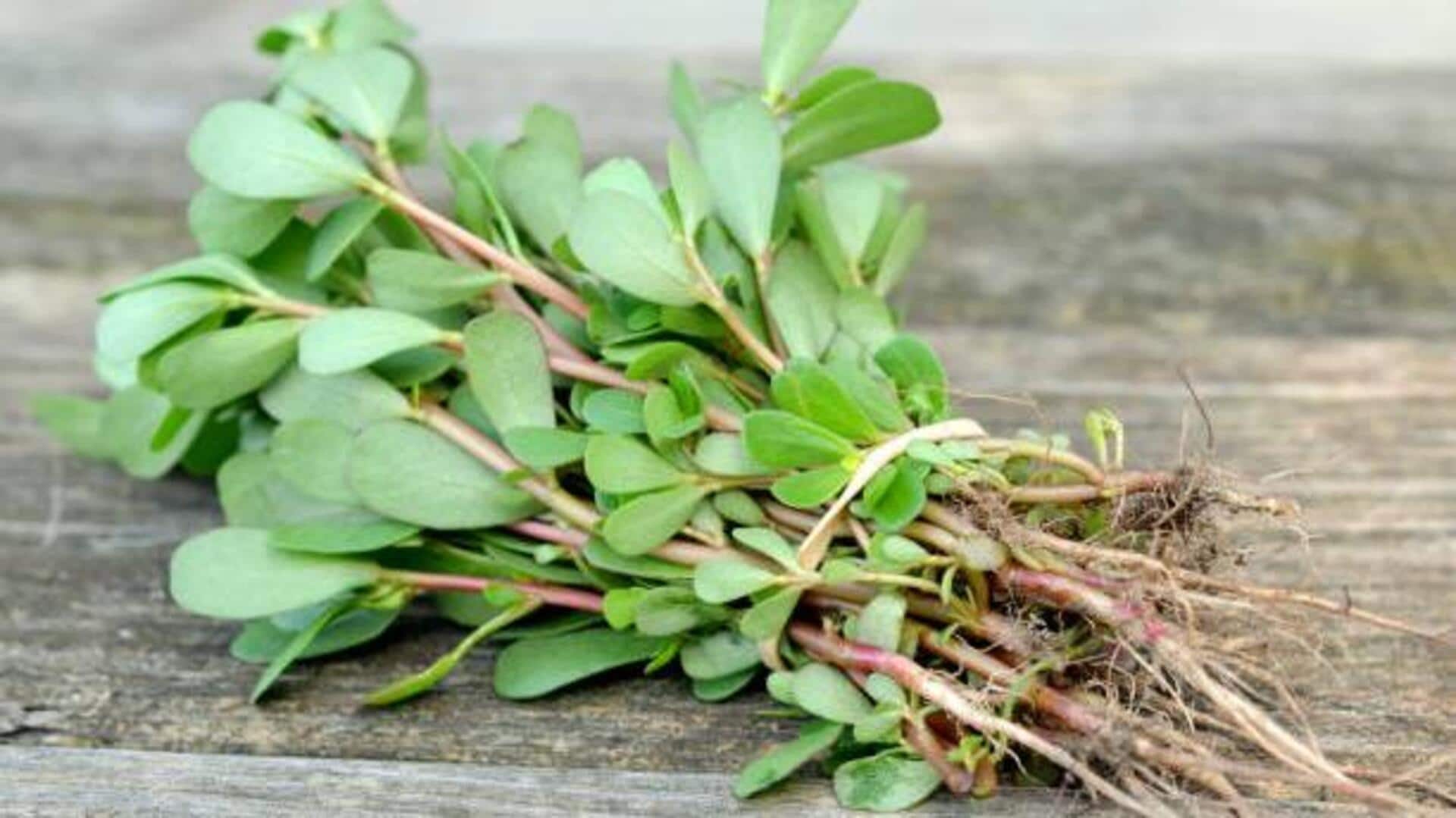
How to use purslane in cooking
What's the story
African purslane, a succulent plant native to Africa, is gaining popularity for its versatility in cooking. With a mild flavor and crunchy texture, this plant can be used in various dishes. Here are five culinary uses of African purslane that highlight its adaptability and nutritional benefits. From salads to soups, African purslane offers a unique twist to traditional recipes.
Dish 1
Fresh salads with a twist
African purslane makes for an excellent addition to fresh salads.
Its crisp leaves add texture, providing a slightly tangy flavor that complements other ingredients.
Tossed with tomatoes, cucumbers, and a light vinaigrette, it makes for a refreshing salad option.
The plant is rich in omega-3 fatty acids and antioxidants, making it a healthy choice for salad lovers.
Dish 2
Flavorful soups and stews
Adding African purslane to soups and stews can elevate the dish's flavor profile without overpowering it.
The succulent leaves soften when cooked but retain some of their crunchiness, adding depth to the broth.
Whether it is a vegetable soup or lentil stew, this ingredient brings an earthy note that enhances the overall taste experience.
Dish 3
Stir-fried delights
Stir-frying African purslane is another way to enjoy its unique qualities.
Quick cooking preserves its nutrients, while softening the leaves just enough to make them palatable.
Paired with garlic and other vegetables, like bell peppers or carrots, it makes for a delightful side dish or main course component that is both nutritious and satisfying.
Dish 4
Savory rice dishes
Incorporating African purslane into rice dishes adds flavor and nutrition.
Mixing it into pilaf or fried rice gives a burst of color and a subtle tanginess.
This balances the dish's richness, making it a perfect accompaniment to any meal.
Its addition not only enhances the taste but also boosts the dish's visual appeal, making it a healthier and tastier option for any dining table.
Dish 5
Herbal teas infused with purslane
African purslane can also be used to make herbal teas.
When steeped in hot water, its leaves release beneficial compounds that may aid digestion and promote overall health.
This simple infusion provides an alternative way to enjoy this versatile plant's benefits without altering traditional tea-drinking habits significantly.