5 superfoods that support hormone balance
What's the story
Maintaining hormonal balance is essential for overall health and well-being. While many turn to supplements and medications, certain everyday foods can naturally support hormonal equilibrium. These foods are rich in nutrients that help regulate hormones effectively. By incorporating them into your diet, you can promote better hormonal health without relying solely on supplements. Here are five everyday foods that can help balance hormones naturally.
Avocado
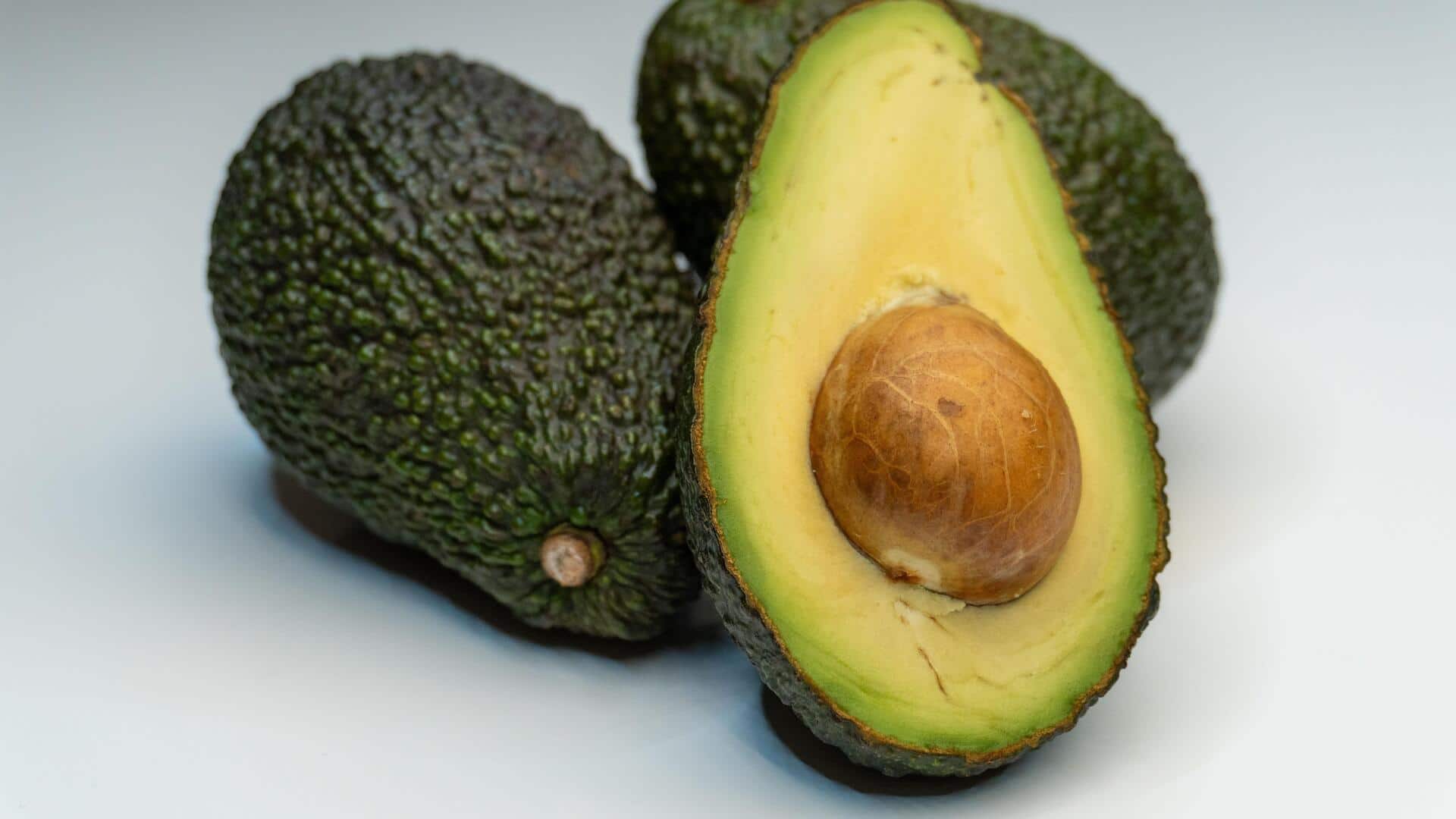
Avocado: A creamy hormonal ally
Avocados are loaded with healthy fats, particularly monounsaturated fats, which are great for heart health and hormone production.
They also contain potassium, which helps regulate sodium levels and balance cortisol, the stress hormone.
The fiber content in avocados also helps maintain stable blood sugar levels, which is important for keeping insulin in check.
Nuts
Nuts: Nutrient-dense hormone boosters
Nuts like almonds and walnuts are packed with essential nutrients such as magnesium and vitamin E.
Magnesium is important for the synthesis of steroid hormones, while vitamin E acts as an antioxidant that helps reduce oxidative stress on the endocrine system.
The healthy fats in nuts also promote the production of hormones like testosterone and estrogen.
Berries
Berries: Antioxidant-rich support
Berries like blueberries, strawberries, and raspberries are loaded with antioxidants that help fight inflammation and oxidative stress. These factors can disrupt hormonal balance.
Rich in vitamins C and K, berries also help improve insulin sensitivity, which is important for keeping blood sugar levels stable.
Adding berries to your diet can help keep your hormones balanced naturally.
Leafy greens
Leafy greens: Fiber-packed hormone helpers
Leafy greens such as spinach and kale are packed with fiber, which is important for digestion and detoxification processes in the body.
Fiber helps eliminate excess hormones by promoting regular bowel movements.
Leafy greens are also rich in calcium and magnesium, which are important for the production of hormones such as parathyroid hormone.
Fatty fish
Fatty fish: Omega-3 powerhouses
Fatty fish such as salmon or mackerel provide omega-3 fatty acids, which are essential for reducing inflammation in the body.
This inflammation can interfere with the functioning of hormones if left unchecked over time.
Omega-3s also support brain health by aiding neurotransmitter function—crucial components in maintaining emotional balance related to hormonal changes.