5 fascinating uses of prickly pear
What's the story
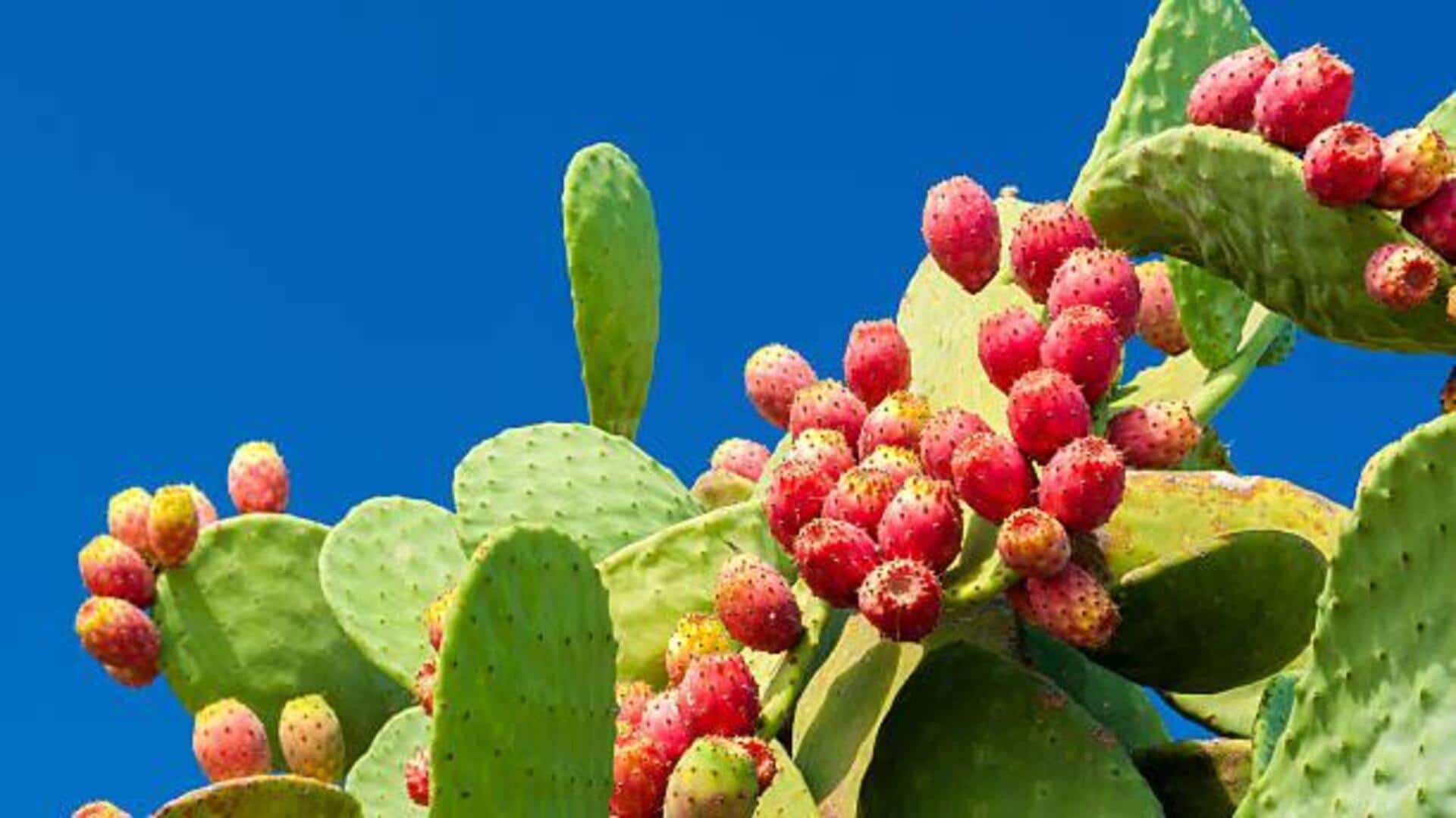
The prickly pear, a resilient cactus native to Africa, is known for its versatility. Not only does it survive in arid climates, but it also offers a range of uses that benefit various aspects of daily life. From culinary delights to medicinal applications, the prickly pear is an integral part of many African communities. Here are five fascinating ways this plant is utilized across the continent.
#1
Culinary delights and nutrition
The prickly pear's fruit is relished for its sweet taste and vibrant color. It is used in making jams, juices, and desserts. The pads (nopales) are also eaten as vegetables, providing essential nutrients like vitamins C and K. In salads or grilled dishes, they add a unique texture and flavor. This plant not only enhances local cuisines but also contributes to nutritional diversity.
#2
Traditional medicine practices
In many African cultures, prickly pear has been used for centuries in traditional medicine. Its anti-inflammatory properties are believed to assist in treating various ailments, such as arthritis and skin conditions. The juice from the pads can be applied topically or consumed as a remedy for digestive issues. This medicinal use highlights the plant's importance beyond just dietary needs.
#3
Sustainable agriculture benefits
Prickly pears are also an important component of sustainable agriculture in Africa. They require little water and can grow in poor soil, making them ideal for arid regions. Farmers plant them as a source of food security and income generation. The ability to thrive without heavy inputs makes them an eco-friendly crop choice that supports sustainable farming practices.
#4
Crafting materials from prickly pear
The fibrous material from prickly pear pads is used to make ropes, baskets, mats, and other crafts. These items are not only practical but also culturally significant in many communities across Africa. Using local resources like this reduces reliance on imported materials while preserving traditional crafting techniques.
#5
Environmental impact reduction efforts
Planting prickly pears helps combat desertification by stabilizing soil with their root systems, while providing shade that promotes moisture retention in the ground below them. This dual benefit supports environmental restoration efforts across degraded landscapes throughout Africa, where such initiatives are urgently needed due to climate change challenges faced globally today.