Want to explore wildlife sanctuaries in India? Read this first
What's the story
India is home to some of the most diverse wildlife sanctuaries, but not all of them are as amazing as they are made out to be. While some places are hyped up for their biodiversity and conservation efforts, they may not live up to the expectations of the visitors. Here are five overrated wildlife sanctuaries in India that may not be worth your time.
#1
Sundarbans National Park: More hype than wildlife
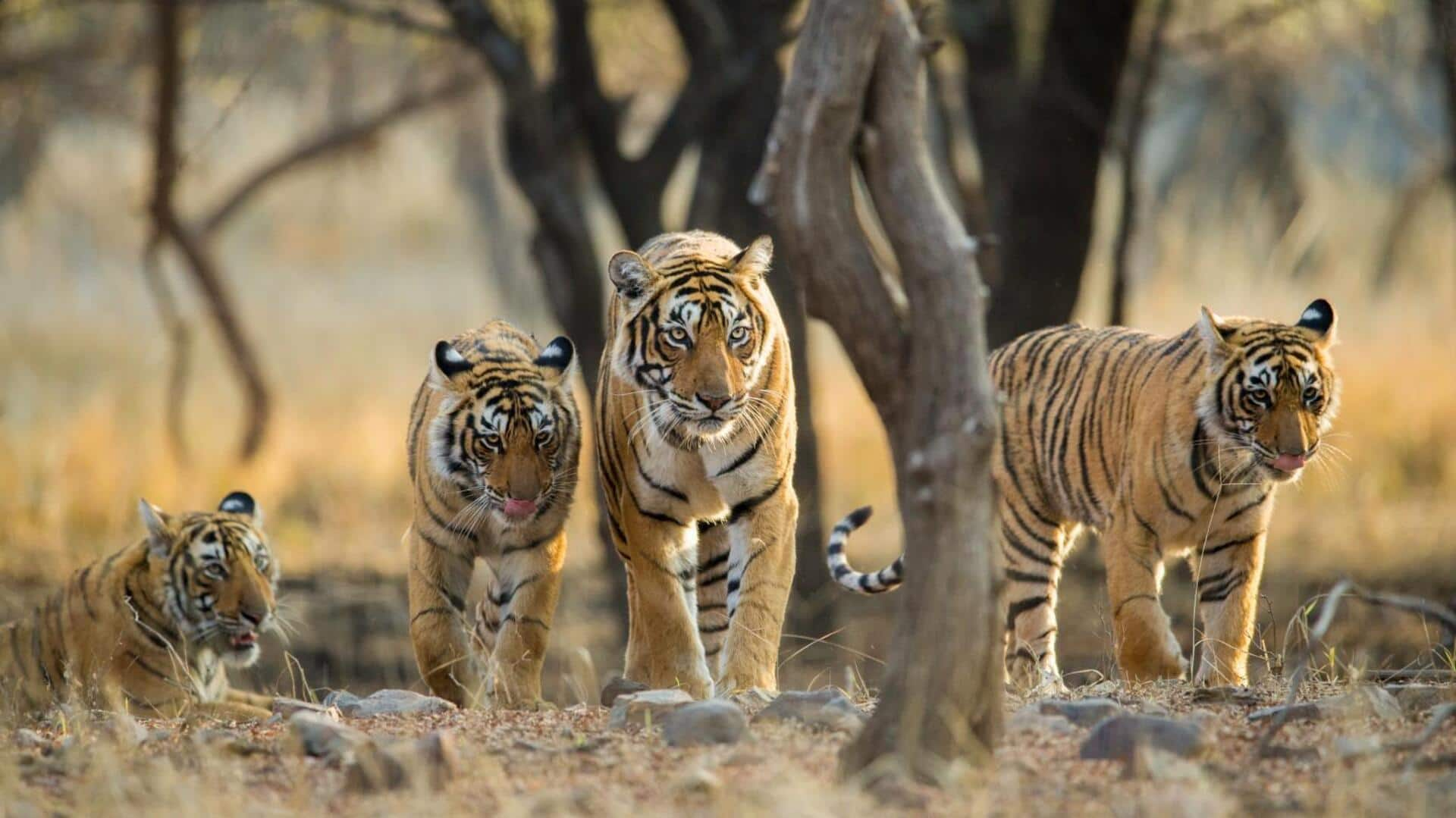
Sundarbans National Park is famous for its mangrove forests and Royal Bengal Tigers.
However, the park can be difficult to explore due to its vastness and dense vegetation.
Visitors often find it hard to spot wildlife, as animals are spread out over a large area.
The best time to visit is between November and February, when the weather is cooler, but even then, sightings aren't guaranteed.
#2
Bandipur National Park: Limited wildlife visibility
Bandipur National Park is often touted as a prime spot for wildlife sightings, particularly elephants and tigers.
However, the park's dense forests make it difficult to spot animals most of the time.
The best time for sightings is during the summer months when animals come out near water bodies, but even then, chances of seeing them can be hit or miss.
#3
Periyar Wildlife Sanctuary: Crowds over calmness
Periyar Wildlife Sanctuary in Kerala is famous for its picturesque lake and elephant sightings.
However, the sanctuary draws many tourists, which can make it crowded and noisy.
This can disturb the natural behavior of animals, making sightings less likely than in less crowded places.
The sanctuary is best visited during off-peak seasons for a calmer experience.
#4
Kaziranga National Park: Overrated elephant sightings
Kaziranga National Park is famous for its one-horned rhinoceroses, but it also draws visitors hoping to see elephants up close.
While the park has a healthy elephant population, sightings are not guaranteed due to their migratory patterns within the park's vast expanse.
The best time to visit is during the winter months when visibility improves due to less foliage.
#5
Jim Corbett National Park: Limited accessibility during monsoons
Jim Corbett National Park is famous for its diverse flora and fauna, including tigers and leopards.
However, it remains closed for safaris during monsoons from June to September, due to the risk of flooding and landslides.
This closure limits accessibility and makes it difficult for tourists to plan a visit during this period, affecting their travel plans and expectations.