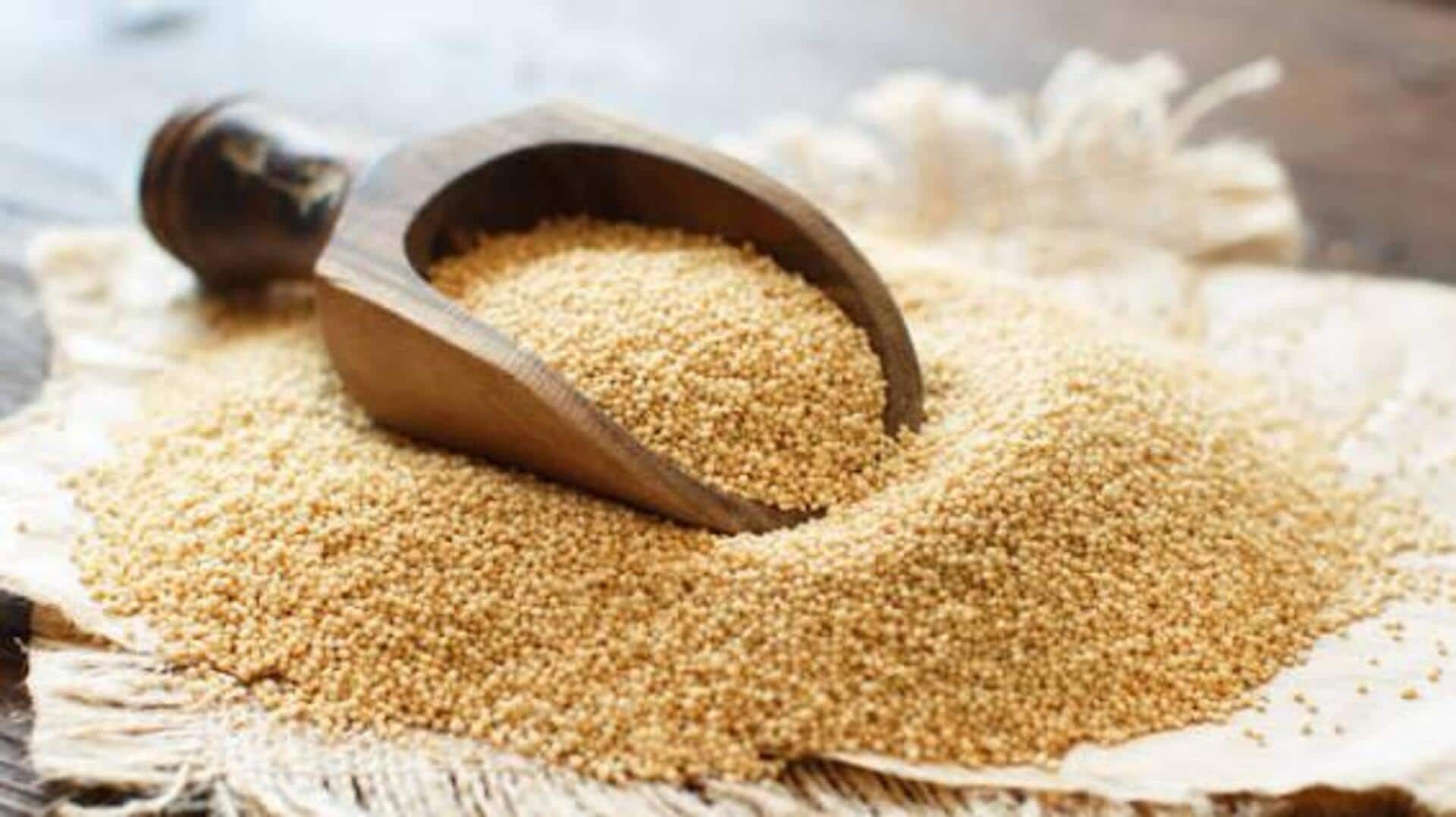
5 reasons to add amaranth to your daily meals
What's the story
African amaranth, a leafy green vegetable, is making waves for its nutritional benefits and versatility in cooking. Rich in vitamins and minerals, this plant is a staple in many African diets. Its ability to grow in harsh conditions makes it an important crop for food security. Here are five reasons why you should consider adding African amaranth to your daily meals.
#1
Nutrient-rich powerhouse
African amaranth is loaded with essential nutrients, such as iron, calcium, and vitamins A and C.
These nutrients are important for keeping your immune system healthy and your bones strong.
The high iron content also makes it an excellent option for vegetarians looking to increase their iron intake.
Adding this leafy green to your diet can help meet daily nutritional requirements easily.
#2
Versatile cooking ingredient
The versatility of African amaranth in cooking makes it a favorite among chefs and home cooks alike.
It can be used in salads, soups, stews, or even as a side dish.
Its mild flavor complements various ingredients without overpowering them.
This makes it easy to incorporate into different recipes while reaping its health benefits.
#3
Supports sustainable agriculture
One of the best things about African amaranth is that it is drought-resistant and can grow in poor soil.
This makes it an ideal crop for sustainable agriculture, especially in areas where other crops may fail due to climate challenges.
By supporting the cultivation of African amaranth, you contribute to promoting sustainable farming practices that help protect the environment.
#4
Cost-effective nutritional source
Adding African amaranth to your diet is not just healthy but also budget-friendly.
The plant is inexpensive to grow and buy, making it a cost-effective way to get essential nutrients without burning a hole in your pocket.
This is especially helpful for families on a budget but still looking for nutritious food options.
#5
Promotes digestive health
African amaranth is rich in dietary fiber, which is essential for good digestion. It promotes regular bowel movements and prevents constipation.
This fiber-rich vegetable can be a great addition to a balanced diet, promoting digestive health, and contributing to overall well-being.
Its high fiber content makes it a valuable part of a healthy diet, ensuring digestive health is maintained.