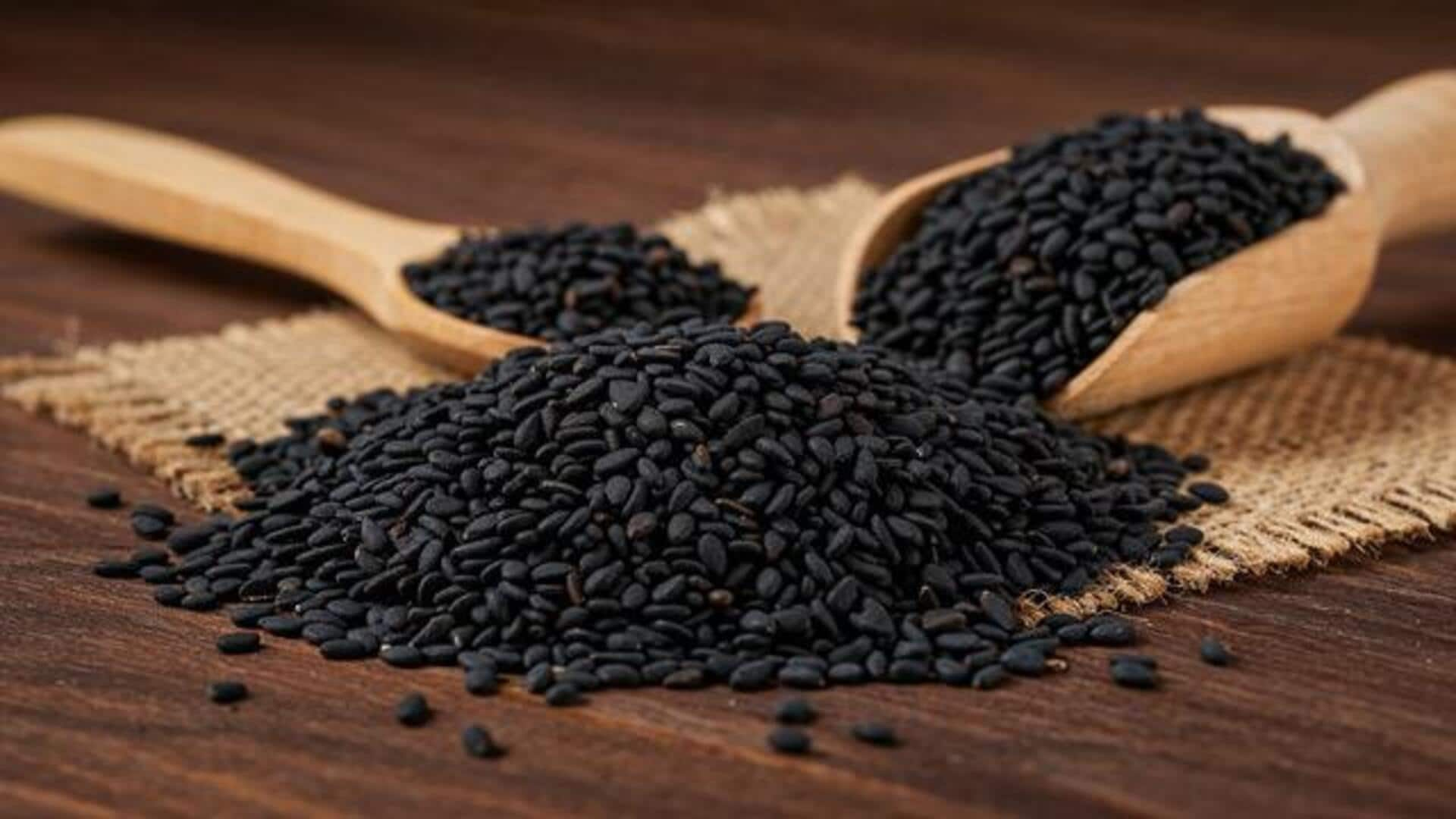
Why sesame seeds matter in African culture
What's the story
Sesame seeds have been a part of African cuisine and culture for centuries. The tiny seeds are not just a source of nutrition but also a part of several traditions and practices across the continent. From being added to dishes to being used in rituals, sesame seeds have a rich history that reflects the diversity of African cultures. Here are five traditions that highlight the significance of sesame seeds in Africa.
Oil extraction
Sesame seed oil extraction
In many African communities, extracting oil from sesame seeds is a common practice.
The process involves grinding the seeds into a paste and then pressing them to extract oil.
This oil is used for cooking and as a dressing for various dishes.
The tradition highlights the importance of sesame in daily life and its contribution to local economies.
Grinding Techniques
Sesame seed grinding techniques
Grinding sesame seeds into a paste or powder is another common practice across Africa. This technique is used to prepare sauces, soups, and other dishes.
Traditionally, stones or mortars were used for grinding, but modern methods have also been adopted.
The technique varies from region to region, reflecting local preferences and culinary styles.
Cultural rituals
Cultural significance in rituals
In several African cultures, sesame seeds are used in rituals and ceremonies. They are often seen as symbols of fertility and prosperity.
During weddings or harvest festivals, sesame seeds may be sprinkled or offered as part of blessings or prayers.
This tradition highlights the spiritual connection many communities have with this humble seed.
Traditional dishes
Incorporating sesame in traditional dishes
Sesame seeds are also a key ingredient in many traditional African dishes.
They are often used as toppings or mixed into doughs for bread and pastries.
In some regions, they are roasted before being added to enhance flavor.
This culinary use shows how versatile sesame can be in enhancing taste and texture.
Economic impact
Economic impact on local communities
The cultivation and sale of sesame seeds have a huge economic impact on several African communities.
Farmers grow these crops as cash crops to earn a living, while local markets buy them for processing into oils or snacks.
This trade sustains livelihoods, while also contributing to regional economies across the continent.