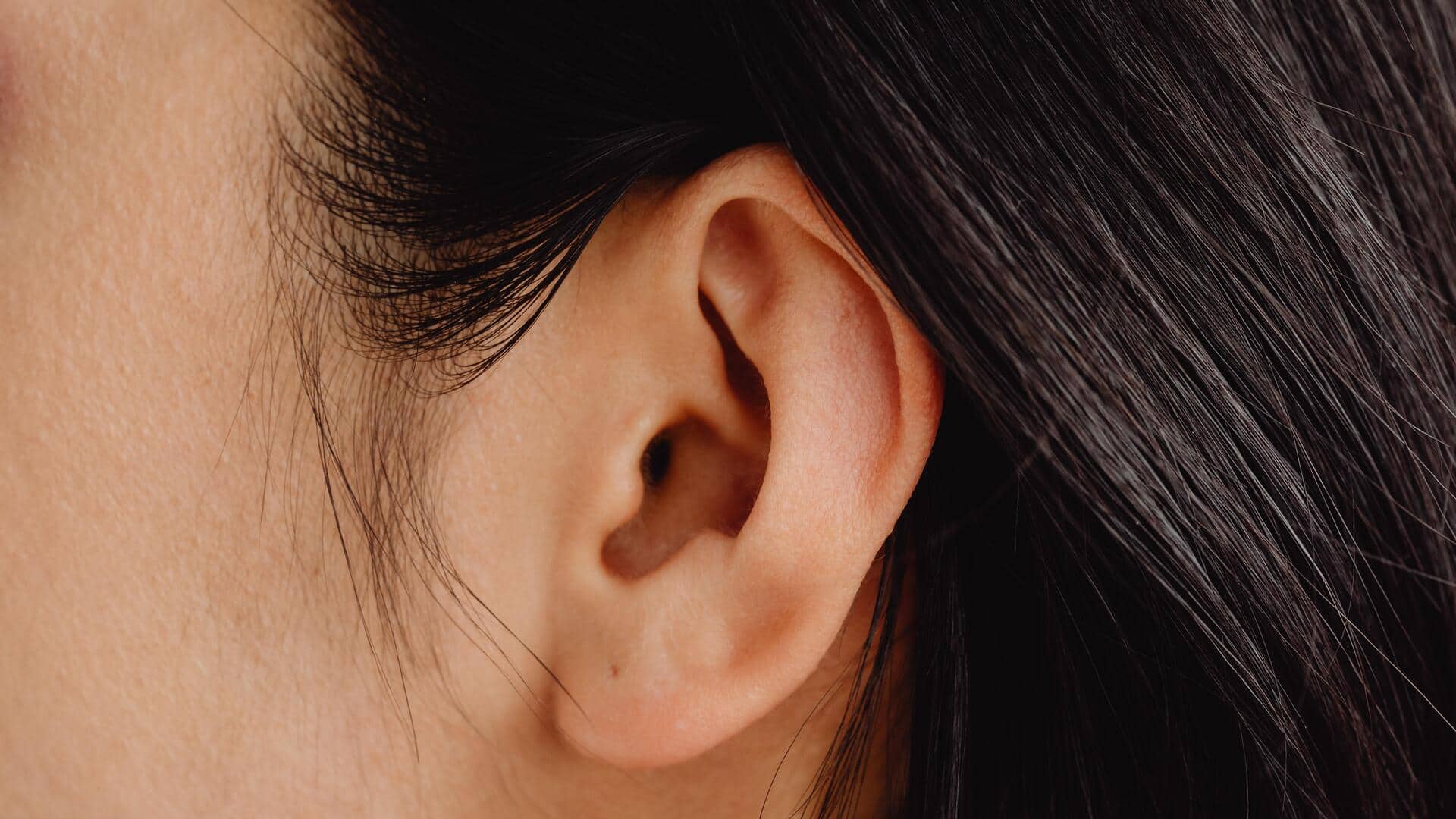
How to improve your hearing: 5 tips
What's the story
Hearing wellness is often overlooked, but it is essential to maintain a healthy lifestyle. By focusing on certain habits, you can improve your hearing and keep your ears healthy. These habits are simple to follow and can be incorporated into daily routines without much effort. By paying attention to these practices, you can ensure that your hearing remains sharp as you age.
Tip 1
Regular ear cleaning practices
Regular cleaning of ears is important to avoid the buildup of wax, which can affect hearing.
Use a soft cloth to wipe the outer part of the ear.
Never insert objects like cotton swabs deep into the ear canal as it can push wax further in or injure the ear.
If you have excessive wax buildup, consult a healthcare professional for safe removal.
Tip 2
Listening to sounds at safe volume levels
Listening to sounds at high volume levels can damage hearing over time.
Keep the volume at a moderate level while using headphones or speakers.
Follow the 60/60 rule: listen at no more than 60% volume for no longer than 60 minutes at a time.
This way, you can protect your ears from potential damage and maintain better hearing health.
Tip 3
Protecting ears from loud noises
Exposure to loud noises can cause permanent hearing loss.
Wear ear protection like earplugs or noise-canceling headphones in loud environments like concerts or construction sites.
Take breaks from loud sounds whenever possible to give your ears a chance to recover from exposure.
Tip 4
Maintaining overall health with diet and exercise
A healthy diet and regular exercise contribute significantly to overall well-being, including hearing health.
Incorporate foods rich in antioxidants, omega-3 fatty acids, and vitamins A and E into your diet. These nutrients support cellular health in the auditory system.
Engage in regular physical activity to improve blood circulation, which benefits the ears and helps maintain optimal hearing function over time.
Tip 5
Regular hearing check-ups
Regular hearing check-ups are important for early detection of any issues and prompt intervention.
Visit an audiologist or ENT specialist for periodic assessments, especially if you notice any changes in your hearing ability or experience symptoms like ringing in the ears (tinnitus).
Early diagnosis and treatment can prevent further deterioration of hearing health.