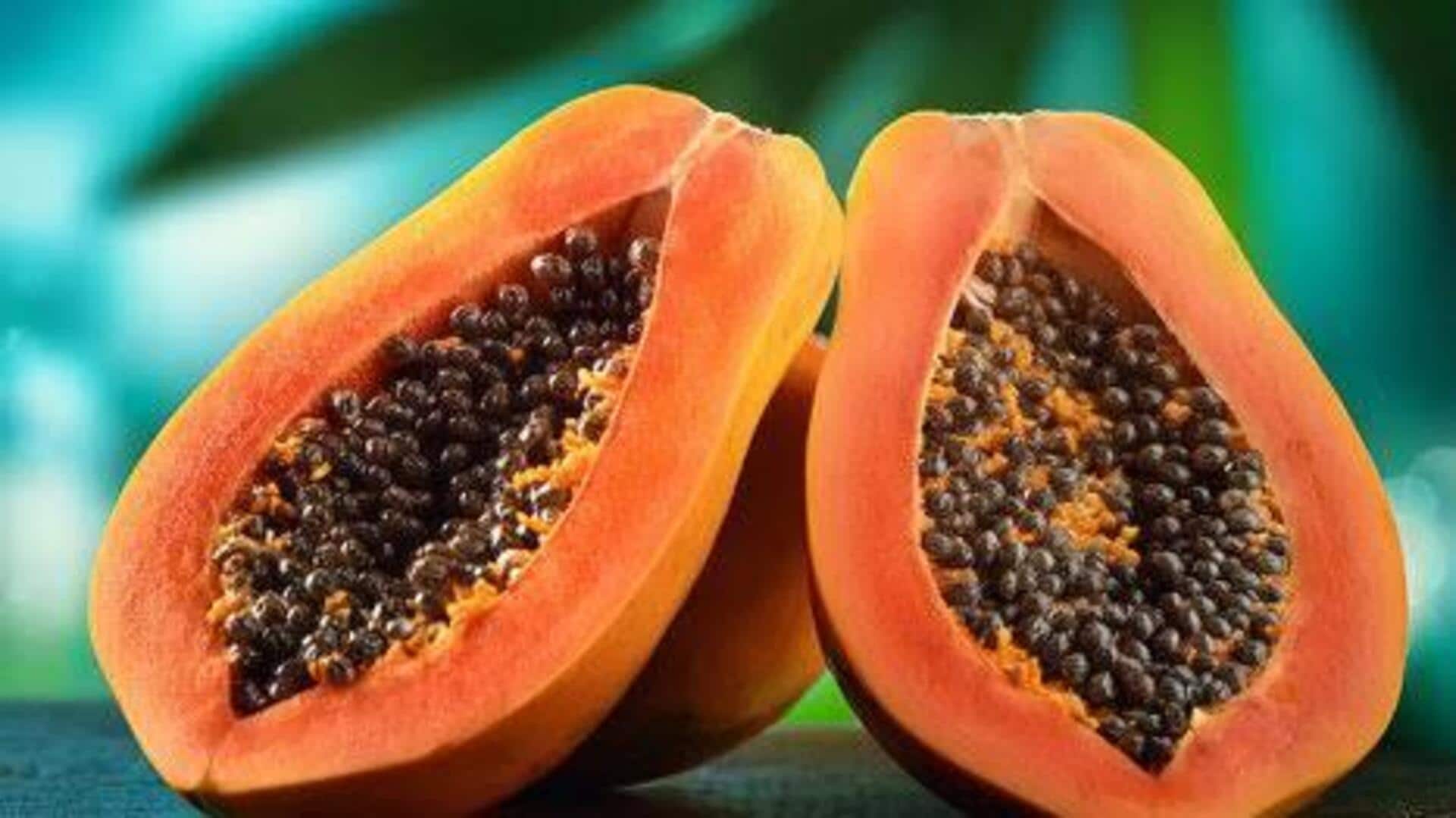
How papaya is used in traditional African practices
What's the story
African papaya traditions are a delicious testament to the continent's rich cultural heritage. Papaya, a tropical fruit, is widely revered for its health benefits and culinary versatility. Across Africa, various communities have adopted unique ways of incorporating papaya into their daily lives and celebrations. From traditional dishes to medicinal uses, these practices highlight the deep-rooted connection between the fruit and African culture.
#1
Papaya in traditional medicine
In several African cultures, papaya leaves are used for their medicinal properties.
They are often brewed into teas or applied as poultices to treat ailments such as fever or digestive issues.
The enzymes in papaya leaves are believed to aid digestion and boost immunity.
This practice reflects a broader trend of using local flora for health purposes, showcasing the resourcefulness and knowledge of indigenous communities.
#2
Culinary delights with papaya
Papaya is also a staple in many African kitchens, where it is used in both sweet and savory dishes.
In some regions, ripe papaya is mashed into sauces or salads, while unripe ones are cooked with vegetables or grains.
These culinary uses highlight the fruit's versatility, and its importance in everyday meals.
Papaya adds flavor and nutrition to various recipes, making it a beloved ingredient across the continent.
#3
Cultural significance of papaya
In many African cultures, papaya holds symbolic significance beyond its nutritional value.
The fruit is often associated with fertility and prosperity, and it is featured in rituals and ceremonies celebrating life events such as weddings or harvests.
This cultural connection underscores how deeply intertwined agriculture is with social customs, illustrating how communities honor natural resources like papaya.
#4
Sustainable farming practices
Papaya cultivation exemplifies sustainable farming practices across Africa.
Farmers often employ techniques like intercropping with other crops to enhance soil fertility naturally, without relying heavily on chemical fertilizers or pesticides.
These methods not only support environmental conservation but also ensure that local economies thrive by producing high-quality fruits for both domestic consumption and export markets.