5 traditional dishes that use watermelon seeds
What's the story
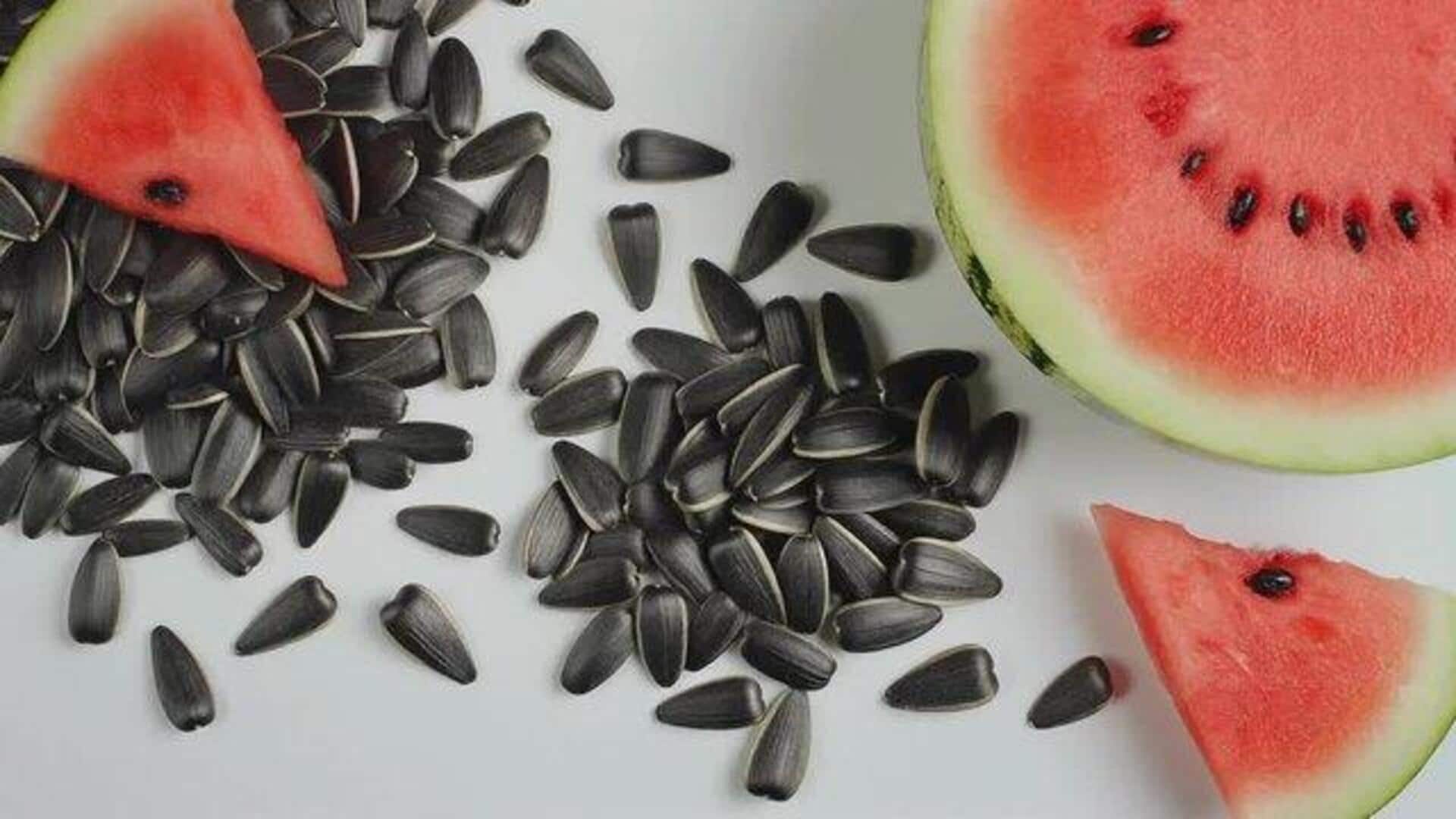
African cuisines are famous for their resourcefulness, turning every part of a plant into a delicious dish. Watermelon seeds, often discarded, are a staple in several traditional African dishes. These seeds are packed with nutrients and can be used in a number of ways to make hearty meals. Here are five traditional African dishes that make the most of watermelon seeds, showcasing the continent's culinary diversity and ingenuity.
Dish 1
Egusi soup with watermelon seeds
Egusi soup is a popular West African dish made with ground melon seeds, including watermelon seeds.
The seeds are ground into a powder and used as a thickener for the soup.
It is usually cooked with vegetables like spinach or pumpkin leaves and flavored with spices such as ginger and garlic.
The dish is often served with fufu or rice, making it a filling meal.
Dish 2
Watermelon seed stew from Ghana
In Ghana, watermelon seeds are used to prepare a delicious stew that goes well with rice or yams.
The seeds are roasted and ground into a paste, which acts as the base of the stew.
Tomatoes, onions, and peppers are added to give it flavor.
This hearty stew is not just delicious but also a great way to use every part of the watermelon.
Dish 3
Sudanese watermelon seed porridge
Watermelon seed porridge is a traditional Sudanese breakfast dish.
The seeds are ground into flour and cooked with water or milk until they reach a creamy consistency.
Sweetened with honey or sugar and flavored with vanilla or cinnamon, this porridge makes for a nutritious start to the day.
Dish 4
Nigerian melon seed salad
In Nigeria, melon seed salad makes a refreshing side dish or light meal option.
Watermelon seeds are roasted until crispy and then mixed with fresh vegetables like cucumbers, tomatoes, and onions.
A simple dressing of lemon juice and olive oil enhances the flavors without overpowering them.
Dish 5
Ethiopian watermelon seed dip
Ethiopian cuisine also features dips made from ground watermelon seeds mixed with herbs like cilantro and mint.
These dips can be served as appetizers alongside injera bread or used as spreads on sandwiches for added texture and flavor depth.
They highlight how versatile these tiny yet nutrient-rich ingredients can be when incorporated into various culinary traditions across Africa.