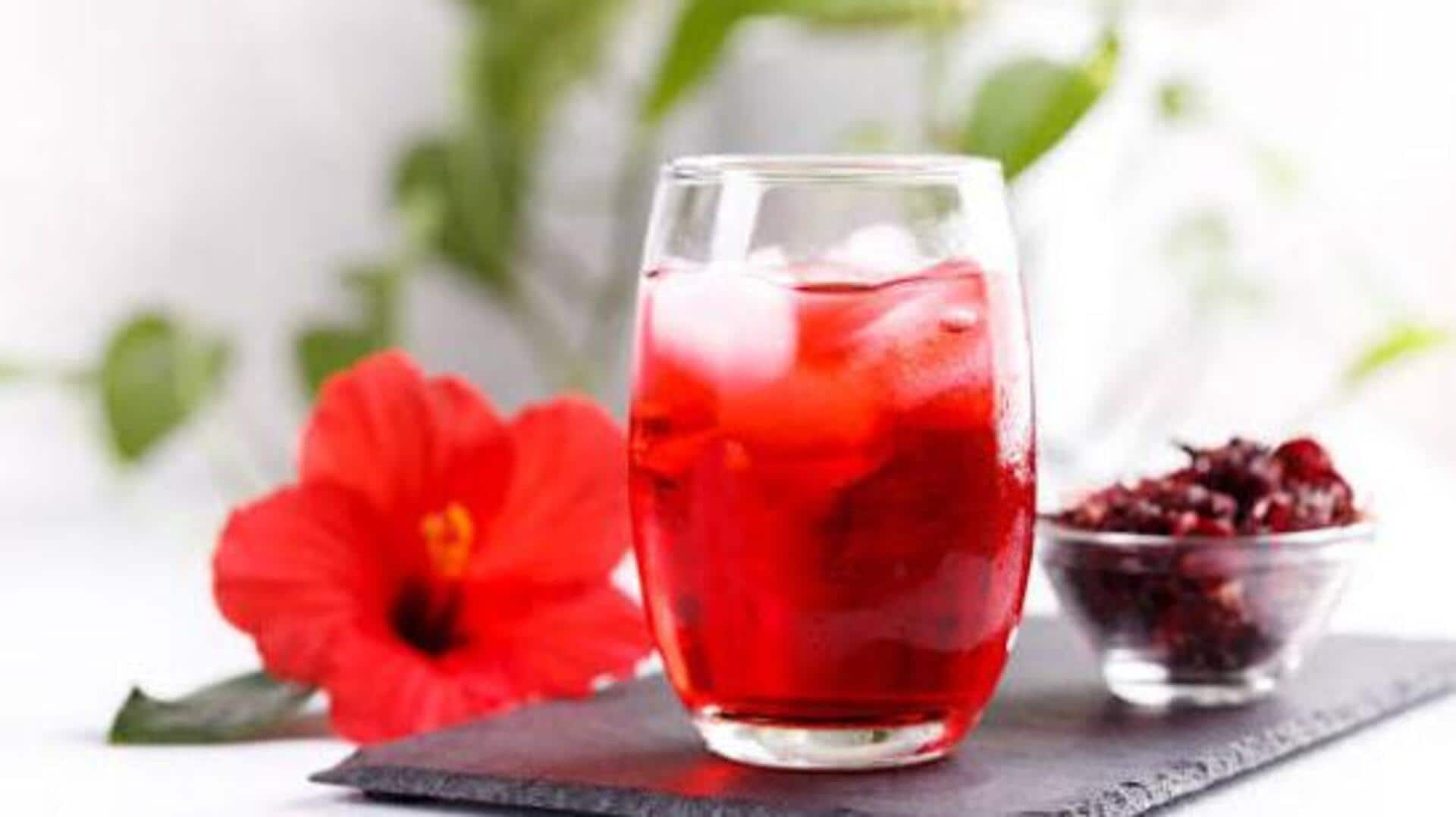
5 traditional drinks made with hibiscus
What's the story
Hibiscus, a versatile and vibrant flower, is used in many African drinks. These drinks are not just refreshing but also culturally significant. From the sweet and tangy flavors of hibiscus tea to the unique blends that vary from region to region, hibiscus drinks are a staple in many African households. Here are five traditional African drinks that use hibiscus, and how they are made.
#1
Zobo: A Nigerian favorite
Zobo is a popular Nigerian drink made from dried hibiscus petals, ginger, and sometimes mint leaves.
The drink is prepared by boiling the petals with water until it turns a deep red color.
Then, sugar or honey is added for sweetness, along with lime juice for tanginess.
Served chilled, zobo is loved for its refreshing taste and vibrant color.
#2
Bissap: A Senegalese delight
Bissap is a traditional Senegalese drink prepared from dried hibiscus flowers, sugar, and water.
Sometimes, mint leaves or pineapple slices are added for extra flavor.
The preparation involves boiling the hibiscus petals until they release their color into the water. After cooling down, sugar is added to taste before serving it over ice.
#3
Karkade: An Egyptian classic
Karkade is an Egyptian drink made from dried hibiscus flowers, sugar, and water.
It can be served hot or cold, depending on the season or preference of the drinker.
To prepare karkade, boil the hibiscus petals in water until it attains a rich red hue. Once cooled down, sugar can be added before serving it either way.
#4
Sobolo: A Ghanaian treat
Sobolo is Ghana's version of zobo with its own unique twist by adding spices like cloves and cinnamon sticks during preparation, along with ginger root slices too.
This combination gives sobolo its distinct flavor profile, setting it apart from other similar beverages across Africa today.
After boiling these ingredients together thoroughly, let them cool down before straining out solids completely.
Then sweeten using preferred methods, such as honey or agave syrup, if desired, before chilling thoroughly, ready to serve.
#5
Roselle juice: A Malawian specialty
Roselle juice comes from Malawi, where locals use fresh roselle flowers instead of dried ones found elsewhere around the globe today!
These blossoms are steeped directly into cold waters, creating a naturally sweetened concoction without the need for additional sugars whatsoever!
This makes it an ideal choice among health-conscious individuals looking to enjoy deliciously refreshing beverages without compromising on dietary restrictions whatsoever!