5 unique Japanese art forms worth knowing
What's the story
Japanese art is a beautiful blend of tradition and innovation, with its unique forms that have been preserved for centuries. These art forms give us a glimpse of the rich cultural heritage of Japan and its artistic sensibilities. From intricate designs to minimalist aesthetics, Japanese art has something for everyone. Here are five unique Japanese art forms that showcase the country's creative legacy.
#1
The elegance of origami
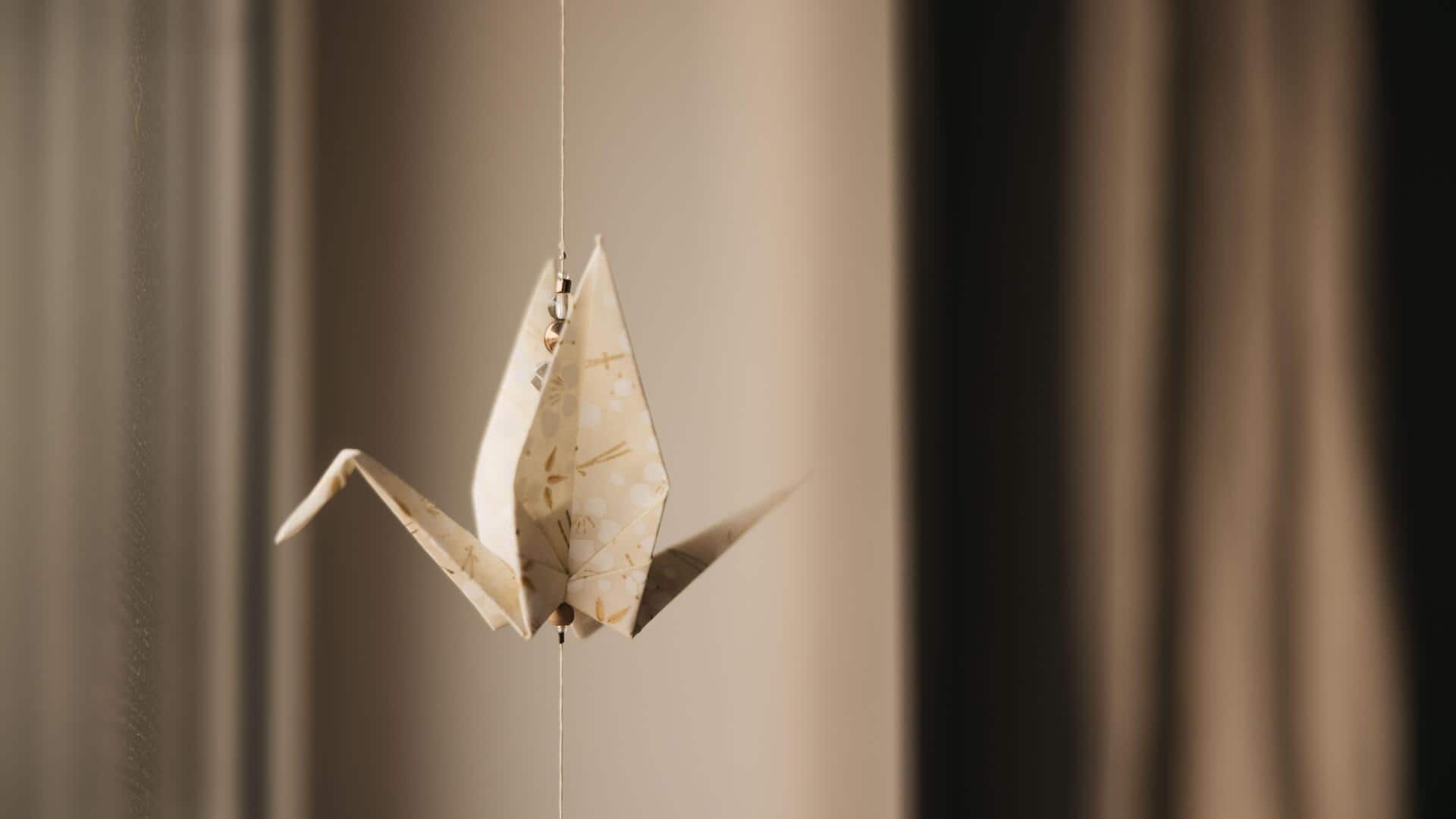
Origami, the art of paper folding, is a quintessential Japanese craft that turns simple sheets into intricate sculptures.
It dates back to the 17th century and is not just an art but also a means of storytelling and education.
From cranes to flowers, origami requires precision and patience. It teaches the principles of geometry and symmetry, making it popular among educators and artists alike.
#2
The beauty of Ikebana
Ikebana, the traditional Japanese art of flower arrangement, goes beyond mere decoration. It emphasizes harmony, balance, and simplicity.
Unlike Western floral arrangements, which focus on abundance, ikebana focuses on minimalism with an emphasis on line, balance, and harmony with nature.
Practitioners use various elements such as stems, leaves, and blossoms to create compositions that reflect seasonal changes or personal emotions.
#3
The craft of pottery
Japanese pottery is famous for its simplicity and natural beauty. From tea ceremonies to everyday use, these pieces are an essential part of Japanese culture.
Each region has its own style, like Arita porcelain or Bizen ware, showcasing different techniques such as glazing or firing methods unique to the area.
The craftsmanship involved in making these items reflects centuries-old traditions passed down through generations.
#4
The art of calligraphy
Calligraphy (shodo) is not just about writing characters; it's about expressing oneself through brush strokes on paper or silk fabric.
This practice requires years of training to master the balance between formality and spontaneity in each character written.
Artists often spend hours perfecting their technique before creating works that capture the essence of both language and emotion simultaneously.
#5
The tradition of woodblock printing
Woodblock printing (ukiyo-e) revolutionized visual art during the Edo period (1603-1868) by allowing artists to produce multiple copies quickly without compromising quality.
This technique enabled widespread distribution across Japan and beyond, influencing Western Impressionism, among others.
Artists like Hokusai are celebrated worldwide for their iconic prints depicting landscapes, portraits, and scenes of daily life, showcasing the vibrant culture of the time.