Surprising Korean wedding traditions you didn't know about
What's the story
Korean weddings are a beautiful mix of tradition and modernity, with some customs that may surprise many. These age-old practices, passed down through generations, give a glimpse into Korea's rich cultural heritage. From colorful attire to symbolic rituals, each element has its own significance. Here are five surprising wedding traditions that make Korean weddings unique and memorable.
#1
The colorful hanbok attire
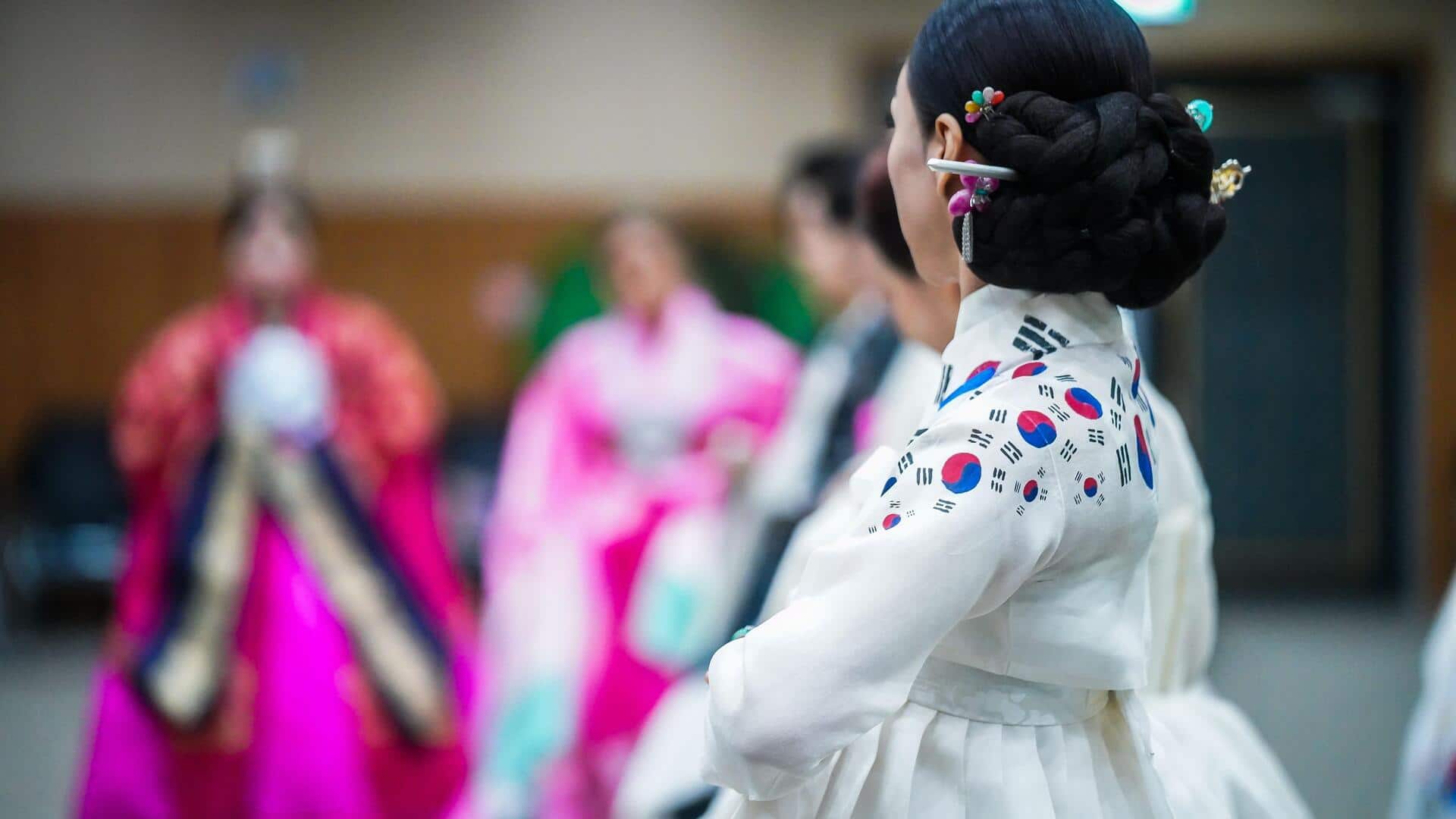
The hanbok is traditional Korean attire worn by the bride and groom on their wedding day. The vibrant colors and simple lines of the hanbok symbolize purity and harmony. While brides usually wear bright colors like red or pink, grooms often wear blue or black. The choice of colors can also indicate the couple's family background and personal preferences.
#2
The Pyebaek ceremony
Pyebaek is a traditional ceremony where the bride offers dates and chestnuts to the groom's family as a symbol of fertility and prosperity. The family members catch these items in their hanboks, which is believed to bring good fortune to the couple. This ritual highlights the importance of familial bonds in Korean culture.
#3
The wedding procession (Sangyeon)
The sangyeon is a wedding procession where the couple walks under a canopy held by family members. This symbolizes protection from evil spirits and blessings from ancestors. As they walk together, they also exchange vows in front of their loved ones, reinforcing their commitment to each other.
#4
The wedding feast (Honsik)
After the ceremony, guests are treated to a lavish feast called honsik. This feast features traditional Korean dishes such as kimchi, rice cakes, and other delicacies that represent abundance and good fortune for the newlyweds' future together. Sharing food with loved ones is an integral part of celebrating any major life event in Korea.
#5
The bride's farewell ritual (choguk)
Before leaving her family home for good after marriage, a bride participates in a farewell ritual called choguk. Here, she bows deeply before her parents as an expression of gratitude for raising her well. This emotional moment signifies both an ending and a new beginning as she embarks on this new chapter of life with her husband by her side.