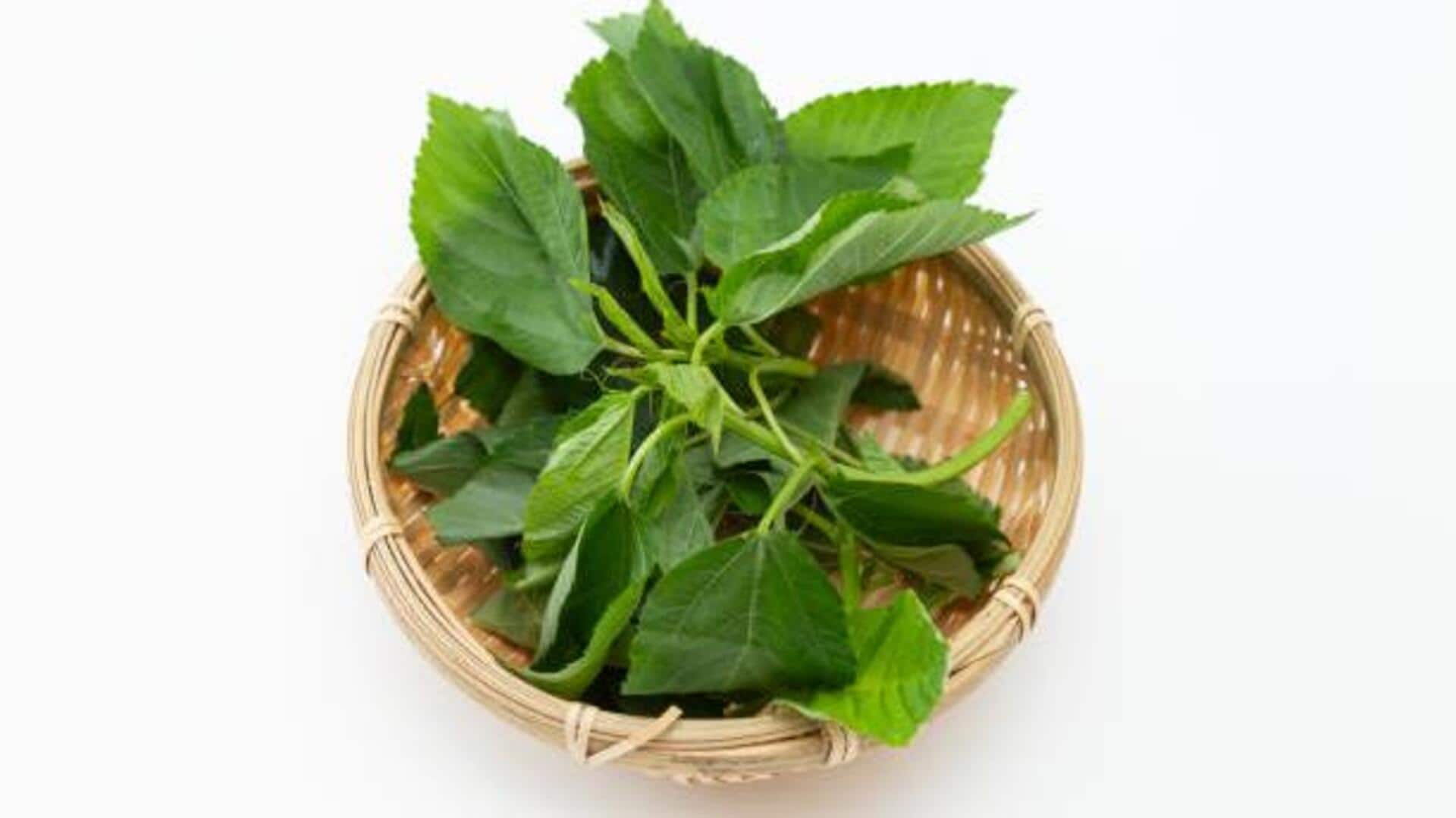
Molokhia: A leafy green loved across Africa
What's the story
Molokhia, a leafy green vegetable, is a staple in many African cuisines. Known for its rich flavor and nutritional benefits, it is often used in various traditional dishes across the continent. From stews to soups, molokhia is versatile and can be prepared in numerous ways to suit different palates. Here are five unique African cooking styles that highlight the diverse ways molokhia can be enjoyed.
Egyptian style
Egyptian molokhia stew
In Egypt, molokhia is commonly prepared as a stew with garlic and coriander.
The leaves are finely chopped and cooked with broth until they become a thick consistency.
This dish is usually served with rice or bread, and garnished with lemon juice for added flavor.
The Egyptian version is famous for its rich taste and aroma, making it a favorite among locals.
Tunisian style
Tunisian molokhia soup
Tunisian cuisine has its own take on molokhia by adding spices like cumin and paprika to the mix.
This soup-like preparation has a spicy kick that goes well with the earthy flavor of the leaves.
It is usually served hot with crusty bread on the side, making it a comforting meal during cooler months.
Moroccan style
Moroccan molokhia tagine
In Morocco, molokhia is cooked in a tagine—a traditional clay pot that retains moisture and enhances flavors.
The leaves are slow-cooked with vegetables like carrots and potatoes, along with spices such as saffron and turmeric.
This method results in a hearty dish that can be enjoyed on its own or with couscous.
Nigerian style
Nigerian molokhia sauce
Nigeria has its own version of molokhia sauce, which is used as a condiment for rice or yam dishes.
Here, the leaves are blended into a smooth paste with onions, tomatoes, and peppers before being cooked down into a thick sauce.
The addition of palm oil gives it richness, while balancing out the spiciness from the peppers used in the recipe.
Ethiopian style
Ethiopian molokhia stir-fry
Ethiopians prepare molokhia by stir-frying it with garlic and ginger, along with other vegetables like bell peppers or carrots, if desired.
This quick-cooking method preserves nutrients while giving you vibrant colors on your plate, thanks to the natural pigments present within these ingredients themselves.
Served over injera bread, this dish offers both texture contrast and flavor harmony in every bite taken.