Unusual daily traditions people follow across the globe
What's the story
Daily rituals are an integral part of cultures across the globe, giving a peek into how people live their lives. From the way they greet each other to how they unwind after a long day, these practices are often unique and strange to outsiders. Here are five unusual daily rituals from around the world that highlight the diversity of human behavior and traditions.
Nature immersion
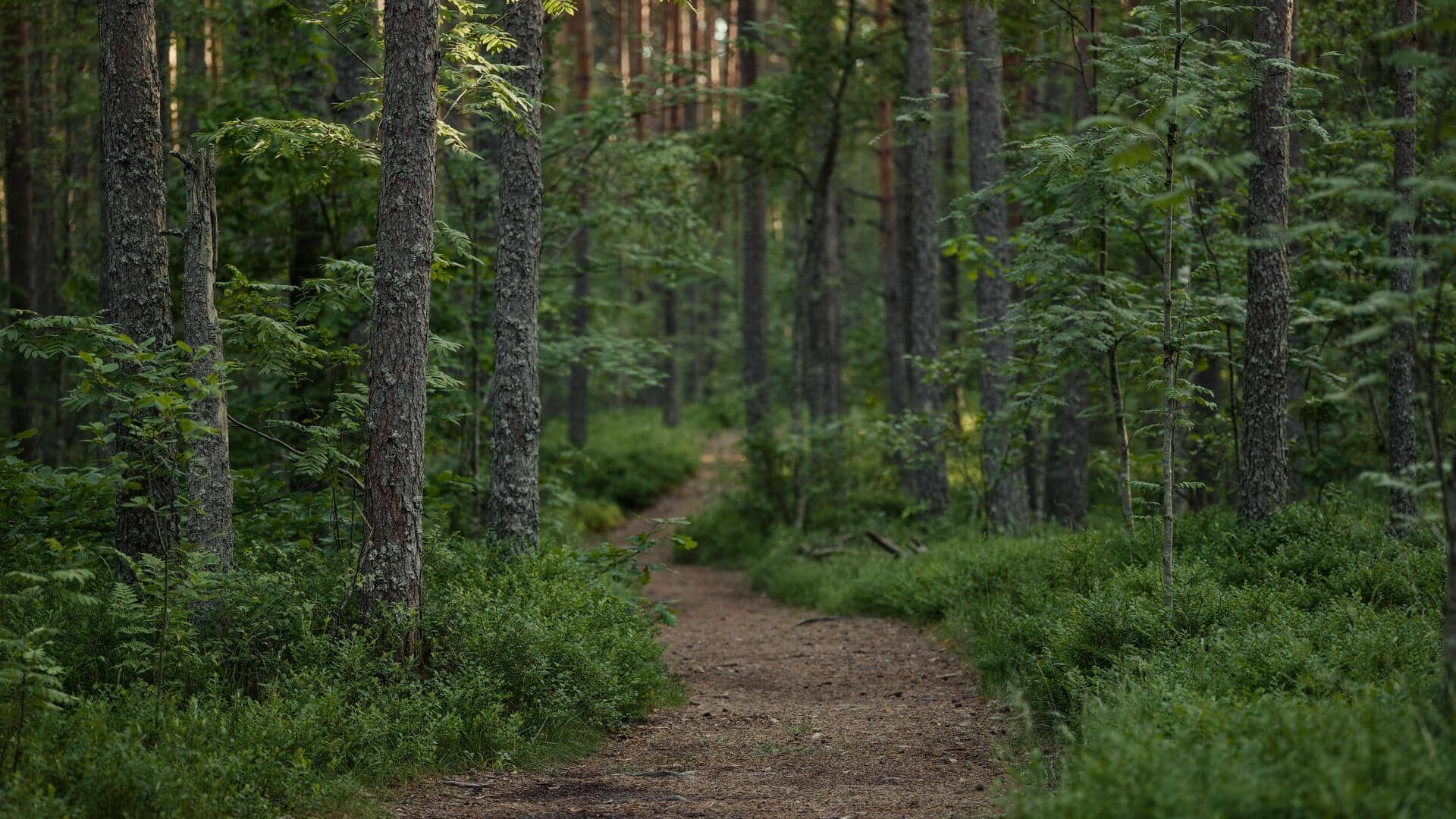
Japanese 'Shinrin-Yoku' or forest bathing
In Japan, shinrin-yoku or forest bathing is a ritual that encourages people to immerse themselves in nature.
Practiced daily by many, it involves spending time in forests or green spaces to reduce stress and improve well-being.
The practice emphasizes mindfulness and connection with nature, allowing individuals to disconnect from technology and enjoy the tranquility of natural surroundings.
Midday rest
Spanish 'siesta' tradition
The siesta is a time-honored tradition in Spain where people take a break in the afternoon to rest or nap.
This ritual is often practiced between 2 and 5 in the evening when businesses close down for a while.
The siesta is believed to boost productivity and mental clarity for the rest of the day, making it an integral part of Spanish culture.
Respectful gesture
Indian 'Namaste' greeting
In India, the greeting "namaste" is more than just a hello; it is a gesture of respect and humility.
Done by pressing palms together and bowing slightly, "namaste" is a way to acknowledge another person's presence with reverence.
This ritual is common among people of all ages and backgrounds, symbolizing unity and mutual respect.
Festive anticipation
Brazilian 'carnaval' preparation
In Brazil, preparations for Carnaval begin months before the actual event.
While the festival is famous for its parades and parties, the lead-up is also a ritual in itself.
People engage in rehearsals, costume-making, and music practice as part of their daily lives leading up to Carnaval.
This anticipation builds excitement within communities as they prepare for one of the world's largest festivals.
Social pause
Swedish 'fika' coffee break
Fika is a Swedish tradition that involves taking a break with coffee or tea and snacks like cinnamon buns or cookies.
It is not just about having something to eat; it is about socializing with colleagues or friends during work hours or at home.
Fika encourages relaxation amid busy schedules while fostering connections between people.