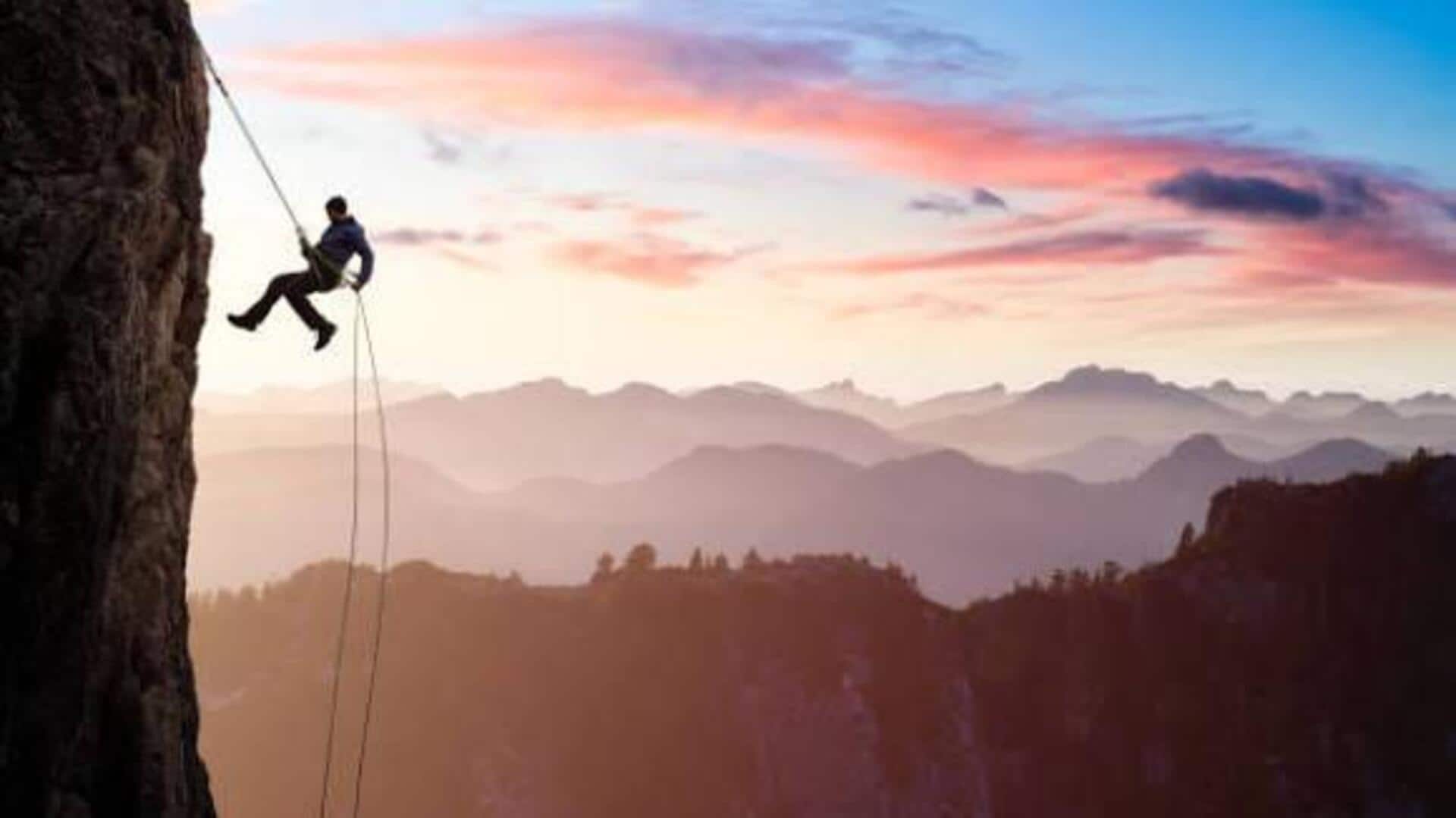
Love adventure? Try abseiling in Madagascar
What's the story
Madagascar's lush rainforests provide an unparalleled opportunity for adventure enthusiasts to explore the natural beauty of the island. Among the most thrilling activities is abseiling, which allows visitors to descend the towering cliffs and waterfalls while soaking in the breathtaking views. This activity not only tests your physical limits but also gives you a chance to witness Madagascar's unique flora and fauna up close. Here are some insights into how you can make the most of this exhilarating experience.
#1
Choosing the right location
Selecting an appropriate location is key to having a successful abseiling experience in Madagascar.
Places like Andringitra National Park and Tsingy de Bemaraha are famous for their dramatic landscapes and challenging terrains.
These sites offer various levels of difficulty, making them suitable for both beginners and experienced adventurers.
Researching each location's accessibility, weather conditions, and safety measures can help you make an informed choice.
#2
Essential gear for abseiling
Proper gear is essential for a safe and enjoyable abseiling experience.
Basic equipment includes a harness, helmet, rope, carabiners, and climbing shoes.
Most tour operators provide these items as part of their packages, but checking beforehand is advisable.
Additionally, wearing comfortable clothing suitable for physical activity can enhance your overall comfort during the descent.
#3
Safety measures to consider
Safety should always be a priority when engaging in outdoor activities like abseiling.
It is important to listen carefully to guides who provide instructions on how to use equipment properly and navigate safely down cliffs or waterfalls.
Understanding potential risks, such as loose rocks or changing weather conditions, can help mitigate dangers associated with this adventurous sport.
#4
Best time to visit Madagascar's rainforests
The best time for abseiling in Madagascar's rainforests largely depends on the weather patterns across the island.
Generally, the dry season from April to November is preferred, as the weather is relatively stable, making it safer and more enjoyable.
However, it is important to note that this period may also see an increase in tourist activity, so planning ahead is recommended to avoid overcrowding at popular spots.