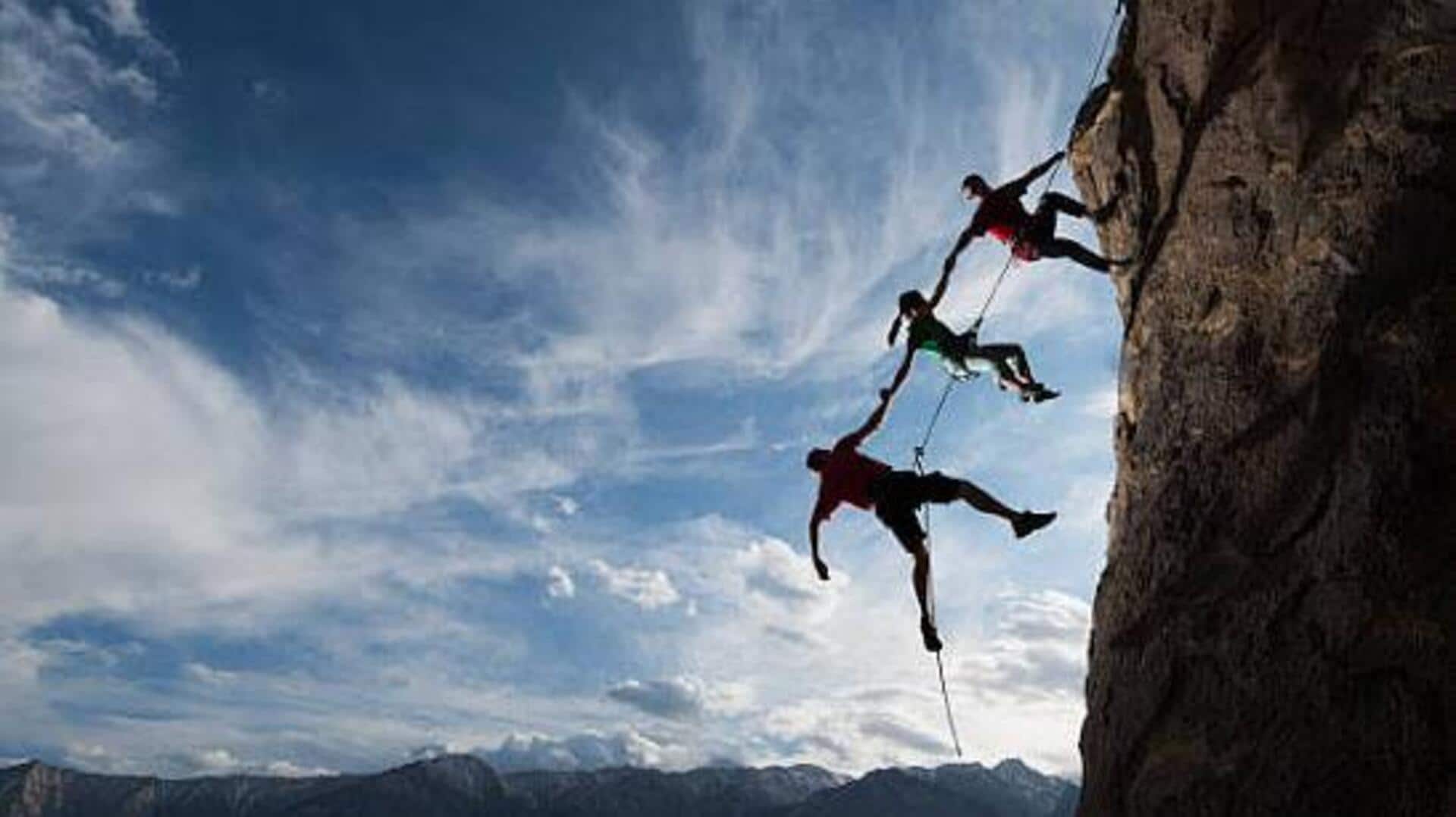
How to prepare for an abseiling adventure
What's the story
Mount Mulanje, a majestic peak in Malawi, beckons adventurers with its thrilling abseiling experience. Famous for its stunning views and challenging terrains, the mountain offers an unparalleled opportunity to explore nature's grandeur. From the lush forests to the rocky cliffs, every step on this journey is an adventure waiting to unfold. Get ready to conquer heights and witness breathtaking landscapes that make Mount Mulanje a must-visit destination for thrill-seekers.
Preparation
Preparing for the ascent
Before you head out to Mount Mulanje, it is important to be well-prepared.
Make sure you have the right gear, including sturdy climbing shoes, a helmet, and a harness.
Also, check weather conditions, as they can affect your plans.
Hiring a local guide can be beneficial, as they provide valuable insights about the terrain and ensure safety throughout your journey.
Proper preparation sets the stage for an unforgettable experience.
Terrain
Navigating the terrain
The terrain of Mount Mulanje is as diverse as it is challenging.
From steep cliffs to rocky paths, every section has its own set of challenges that require physical endurance and mental focus.
Climbers should be ready for sudden changes in elevation and weather.
Staying hydrated and taking regular breaks are important to keep energy levels up while navigating this rugged landscape.
Views
Enjoying panoramic views
One of the biggest perks of abseiling down Mount Mulanje is the breathtaking panoramic views from its peaks.
Once you reach higher altitudes, you will be greeted by sweeping vistas of lush greenery stretching as far as the eye can see.
These views offer perfect opportunities for photography enthusiasts looking to capture nature's beauty from unique angles.
Culture
Understanding local culture
Interacting with local communities around Mount Mulanje can also enhance your experience.
The people living near this region have rich cultural traditions that are worth learning about during your visit.
Respecting local customs while engaging with residents not only enriches your understanding but also fosters positive relationships between visitors and locals alike.