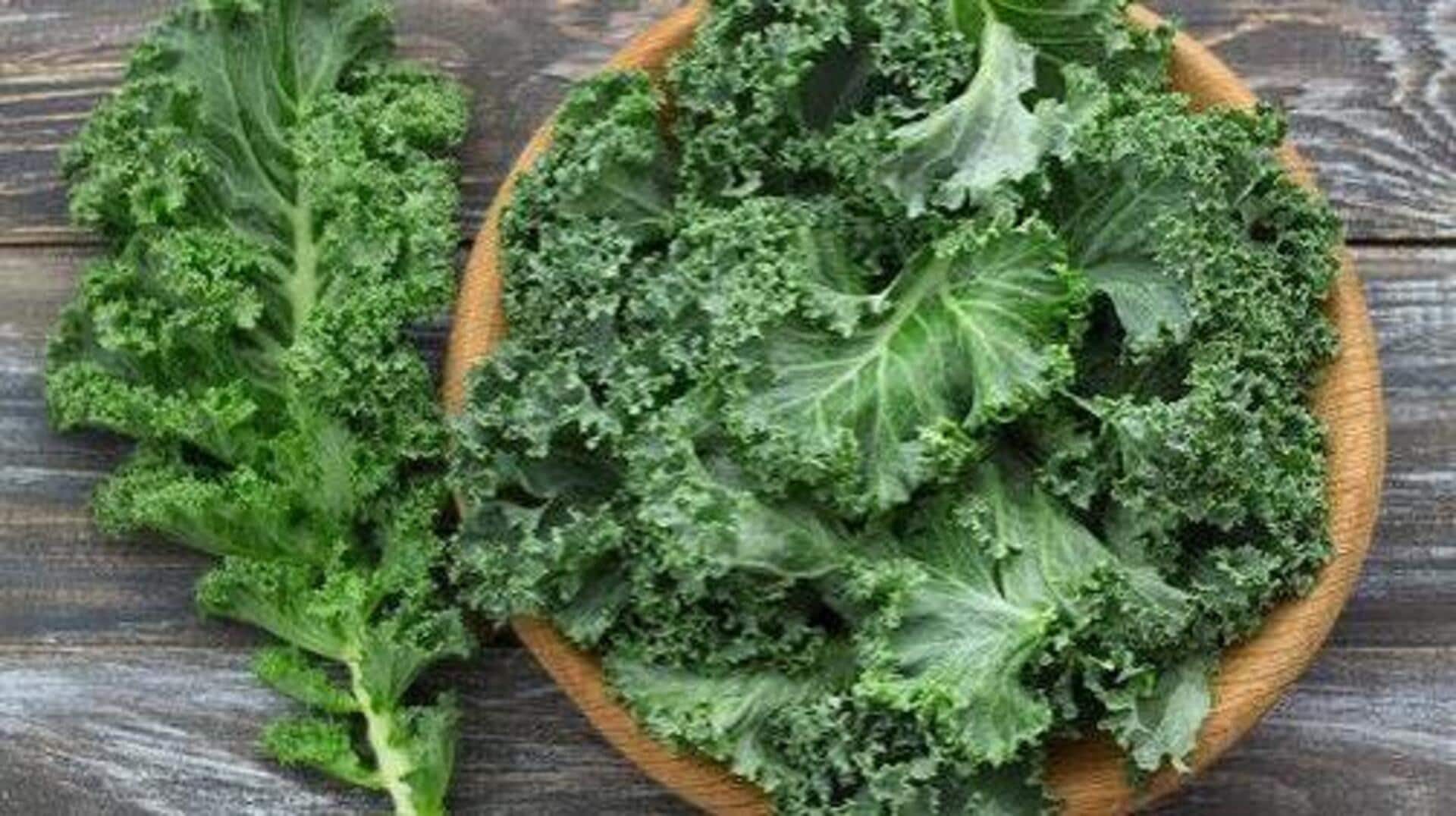
Abyssinian cabbage: Nutrition and culinary uses
What's the story
Abyssinian cabbage, or Ethiopian kale, is a nutrient-rich leafy green taking the world by storm. This African superfood is packed with vitamins and minerals that can boost your health. Its unique nutrient profile makes it an ideal addition to a balanced diet. Here's a look at the nutritional benefits of Abyssinian cabbage and how it can be added to your meals for better health.
#1
Rich source of vitamins
Abyssinian cabbage is loaded with vitamins A, C, and K.
Vitamin A is essential for good vision and immune function, while vitamin C promotes collagen production and protects against oxidative stress.
Vitamin K is important for blood clotting and bone health.
Adding this vegetable to your diet can help you meet your daily vitamin requirements without relying on supplements.
#2
High mineral content
This leafy green also offers an impressive mineral profile, including calcium, iron, and potassium.
Calcium is important for strong bones and teeth, iron helps in the formation of red blood cells, and potassium regulates blood pressure levels.
Including Abyssinian cabbage in your meals can help you meet these essential minerals naturally.
#3
Antioxidant properties
Abyssinian cabbage is also rich in antioxidants like flavonoids and carotenoids that fight free radicals in the body.
These antioxidants help reduce inflammation and lower the risk of chronic diseases, such as heart disease and cancer.
Eating antioxidant-rich foods, like this cabbage, can help you maintain overall health by protecting cells from damage.
Tip 1
Versatile culinary uses
Due to its mild flavor, Abyssinian cabbage is extremely versatile in the kitchen.
It can be eaten raw in salads, smoothies, or cooked in soups, stews, or stir-fries.
Its adaptability makes it easy to incorporate into different cuisines while reaping its nutritional benefits.
Experimenting with different recipes can help you discover new ways to enjoy this superfood regularly.