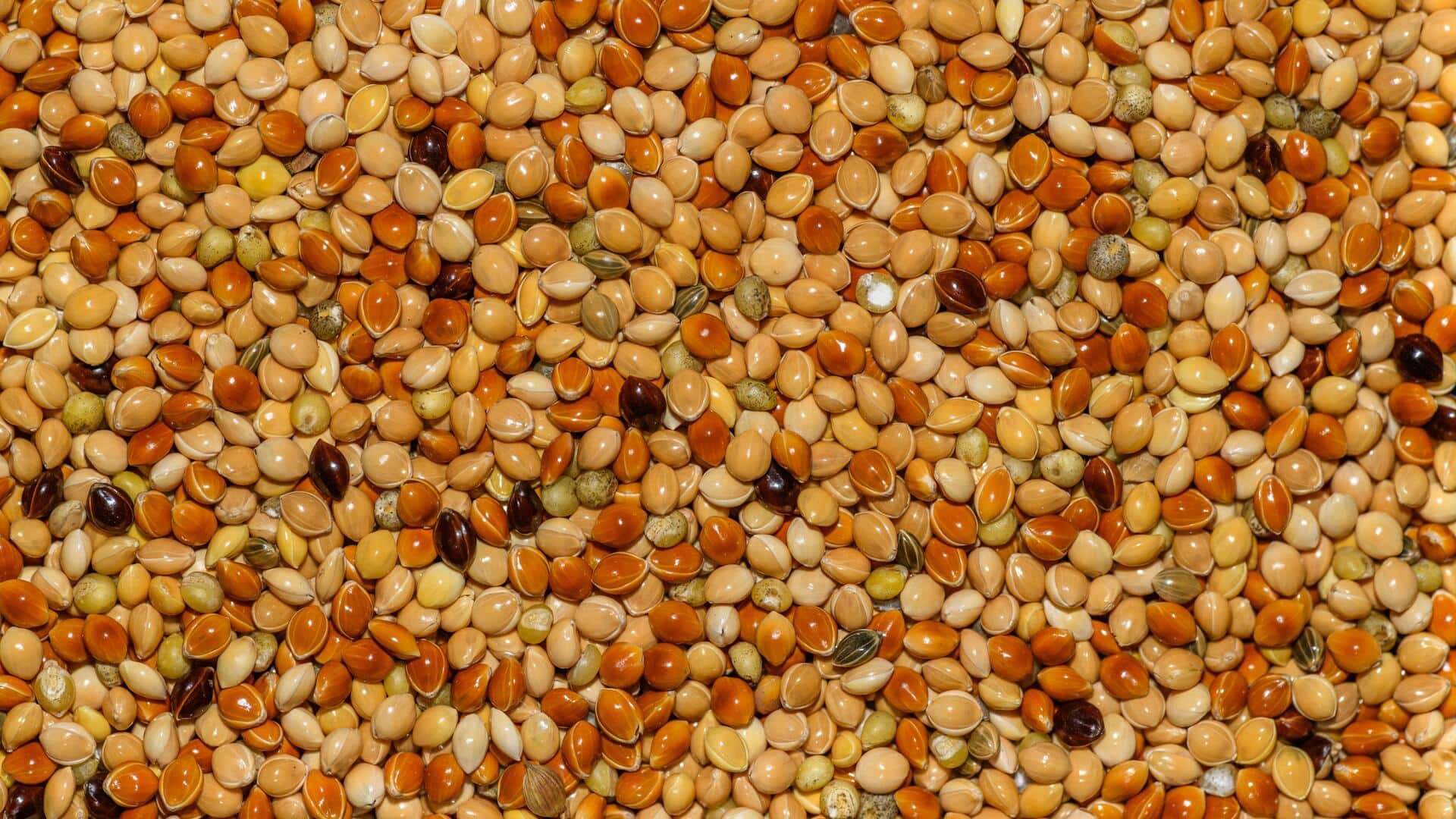
5 grains that deserve a spot in your kitchen
What's the story
African grains have been a staple in many traditional diets for centuries. These nutrient-rich grains are now being recognized for their potential to enhance modern cooking. They offer unique flavors and textures, making them versatile ingredients in a variety of dishes. Incorporating these grains into your meals can not only diversify your culinary repertoire but also provide health benefits due to their high nutritional value.
Sorghum
Sorghum: The versatile grain
Sorghum is a drought-resistant grain that grows well in arid regions.
It is gluten-free and rich in fiber, antioxidants, and essential nutrients like iron and phosphorus.
In cooking, sorghum can be used as a substitute for rice or quinoa. Its mild flavor makes it suitable for both sweet and savory dishes.
Sorghum flour can also be used for baking gluten-free bread or pancakes.
Millet
Millet: A nutritious choice
Another ancient grain, millet, is packed with magnesium, potassium, and B vitamins.
It is also gluten-free and has a low glycemic index, making it perfect for those looking to maintain healthy blood sugar levels.
Millet can be cooked like rice or couscous and added to salads or used as a base for pilafs.
Its slightly nutty flavor complements vegetables well.
Teff
Teff: Tiny grain with big benefits
Teff, an Ethiopian grain, is one of the smallest in the world, but it packs a punch with its nutritional profile.
It is high in protein, calcium, and iron, and is also gluten-free.
Teff flour is commonly used to make injera, a traditional Ethiopian flatbread. It can also be added to porridge or baked goods for added texture and nutrition.
Fonio
Fonio: Quick-cooking super grain
Fonio, a West African grain, cooks quickly, making it ideal for busy cooks.
It is rich in amino acids such as methionine and cysteine, which are often missing in other cereals.
Fonio has a light texture, similar to couscous, and can be used in salads or served with stews.
Its mild taste allows it to absorb spices well, enhancing the overall dish without overpowering it.
Amaranth
Amaranth: Protein-packed option
Amaranth is known for its high protein content, including lysine, which is rare in grains. This makes it an excellent choice for vegetarians looking for plant-based protein sources.
Amaranth has a slightly earthy flavor, which goes well with spices used in soups or curries.
It can also be popped like popcorn, giving you a crunchy snack option.