What makes African lanterns so unique
What's the story
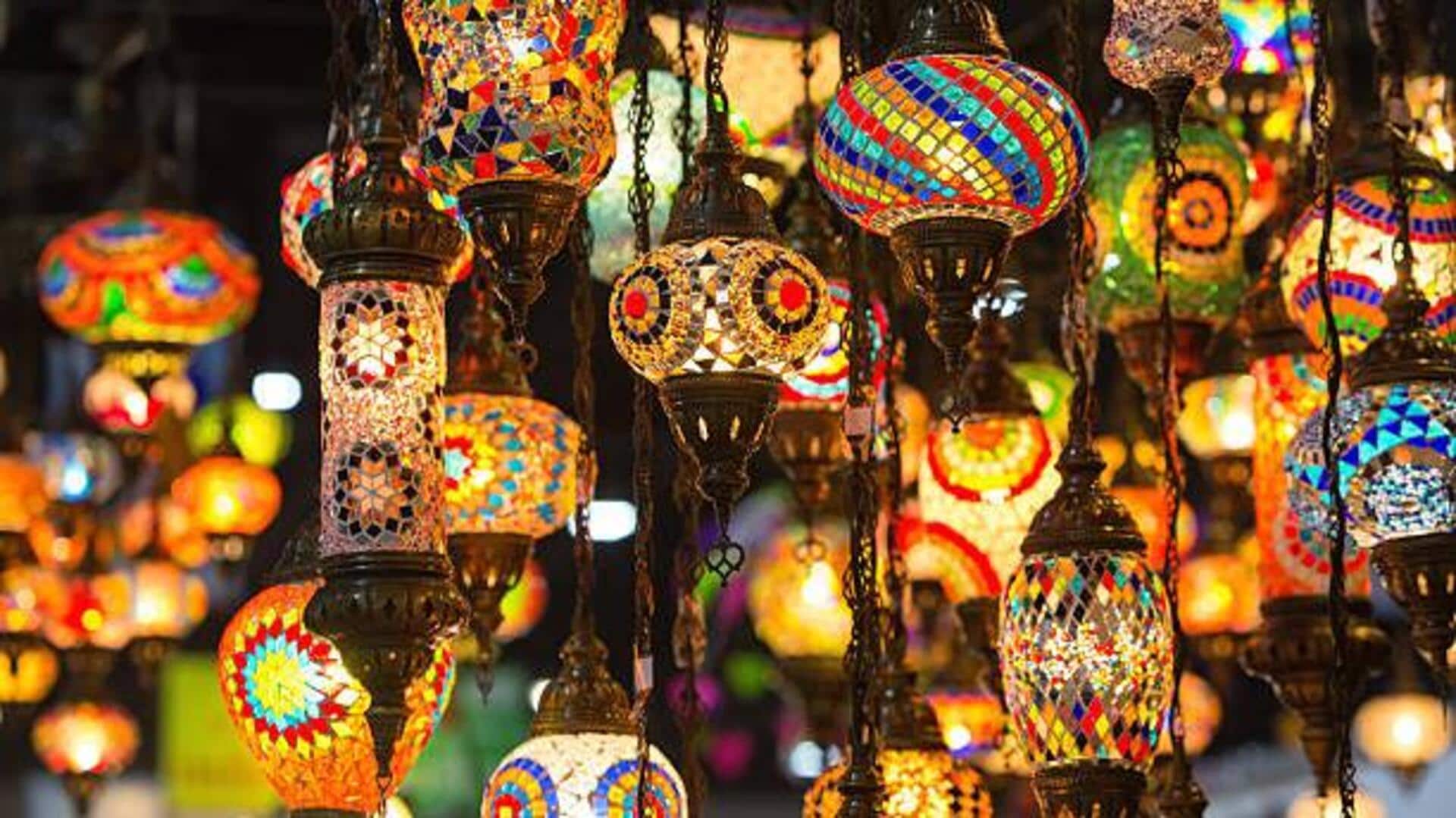
African lanterns are famous for their unique designs and cultural significance. These handcrafted beauties have been lighting up homes and streets for centuries. Made from a variety of materials, each lantern tells a different story and reflects the diverse cultures of the African continent. From traditional to modern designs, these lanterns are a testament to the creativity and craftsmanship of African artisans.
#1
Traditional designs with cultural significance
Traditional African lanterns often feature intricate patterns and symbols that hold cultural significance. These designs are usually inspired by local traditions, stories, and beliefs. The use of natural materials such as wood, metal, and clay is common in these lanterns. Each piece is crafted with care to ensure it reflects the heritage it represents.
#2
Modern adaptations in urban settings
In urban areas, modern adaptations of African lanterns have become popular. These designs blend traditional elements with contemporary aesthetics to cater to a wider audience. The use of recycled materials is common in these adaptations, promoting sustainability while preserving cultural heritage. Modern African lanterns can be found in various sizes and shapes, making them suitable for different settings.
#3
Sustainable craftsmanship practices
Sustainability is a key focus in the crafting of African lanterns. Artisans often use locally sourced materials to minimize environmental impact. Additionally, many craftsmen employ eco-friendly techniques that reduce waste and conserve resources. This commitment to sustainability not only supports the environment but also provides economic benefits to local communities.
#4
Economic impact on local communities
The production of African lanterns has a significant economic impact on local communities across the continent. It provides employment opportunities for artisans and their families, while also contributing to the preservation of traditional crafts. The sale of these lanterns supports local economies by generating income and promoting tourism through cultural exchanges.