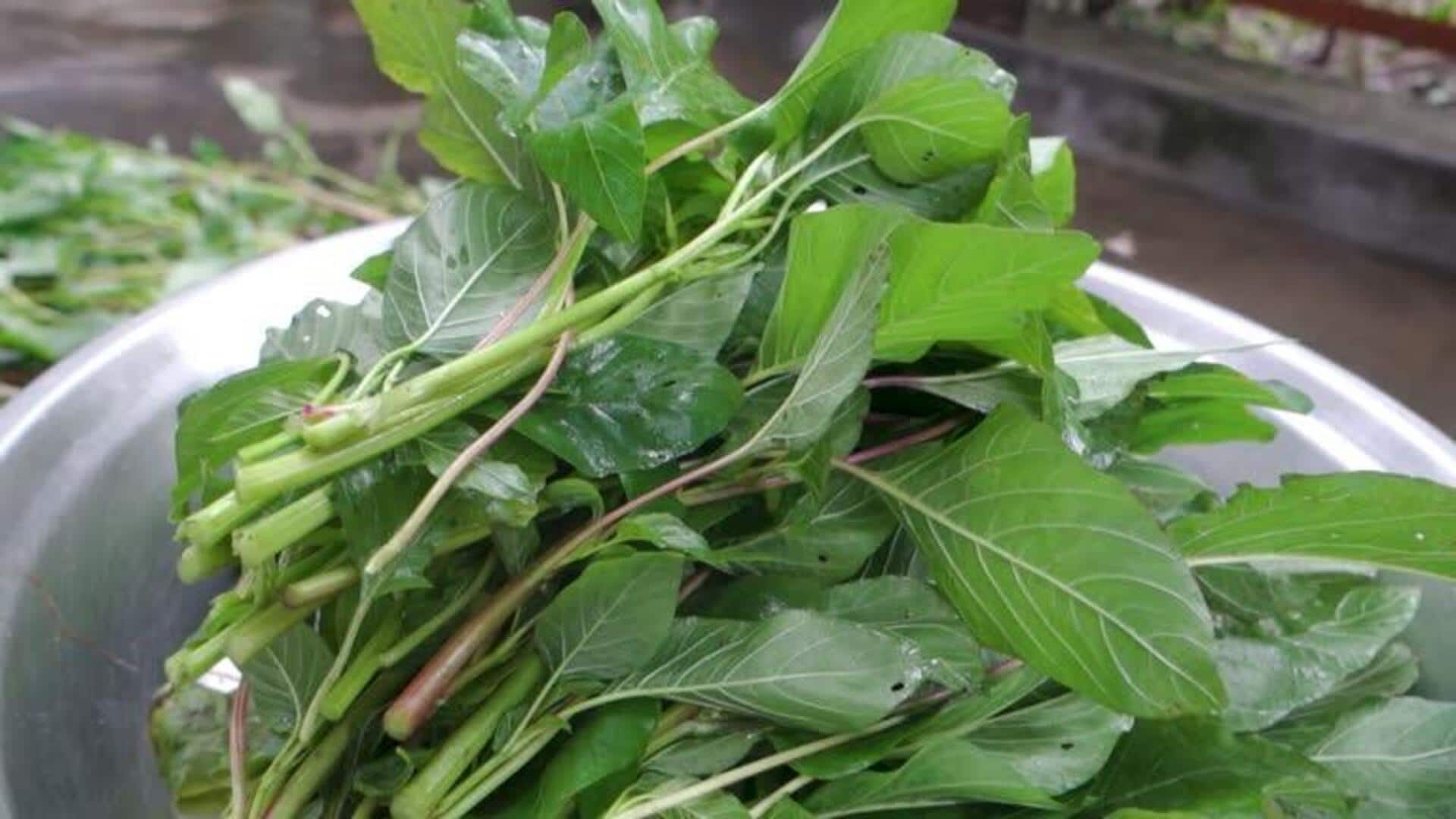
Why amaranth greens are considered a superfood
What's the story
African amaranth greens, a staple in many African cuisines, are gaining attention for their nutritional benefits. These leafy greens are rich in vitamins and minerals, making them an excellent addition to a balanced diet. Known for their versatility, they can be incorporated into various dishes, providing both flavor and nutrition. As more people seek plant-based dietary options, African amaranth greens offer a promising solution.
#1
Nutritional powerhouse
African amaranth greens are packed with essential nutrients like vitamin A, vitamin C, calcium, and iron.
They also provide a good amount of protein compared to other leafy vegetables.
The high calcium content is especially beneficial for bone health.
Further, the presence of antioxidants helps combat oxidative stress in the body.
#2
Versatile culinary uses
These greens can be used in a number of ways in cooking.
They can be sauteed with garlic and onions for a simple side dish, or added to soups and stews for added depth of flavor.
Their slightly earthy taste complements a variety of spices and ingredients commonly used in African cuisine.
#3
Health benefits beyond nutrition
In addition to their nutritional value, African amaranth greens also offer several health benefits.
They are known to promote digestion due to their high fiber content, and they may help regulate blood sugar levels because of their low glycemic index.
Regular consumption may support heart health by reducing cholesterol levels.
Tip 1
Tips for growing at home
Growing African amaranth greens at home is easy, as they adapt to different climates and soil conditions.
They require minimal care, making them perfect for beginner gardeners.
Planting seeds directly into well-drained soil, with adequate sunlight, ensures healthy growth.
Regular watering without over-saturating helps maintain optimal moisture levels throughout the growing season.