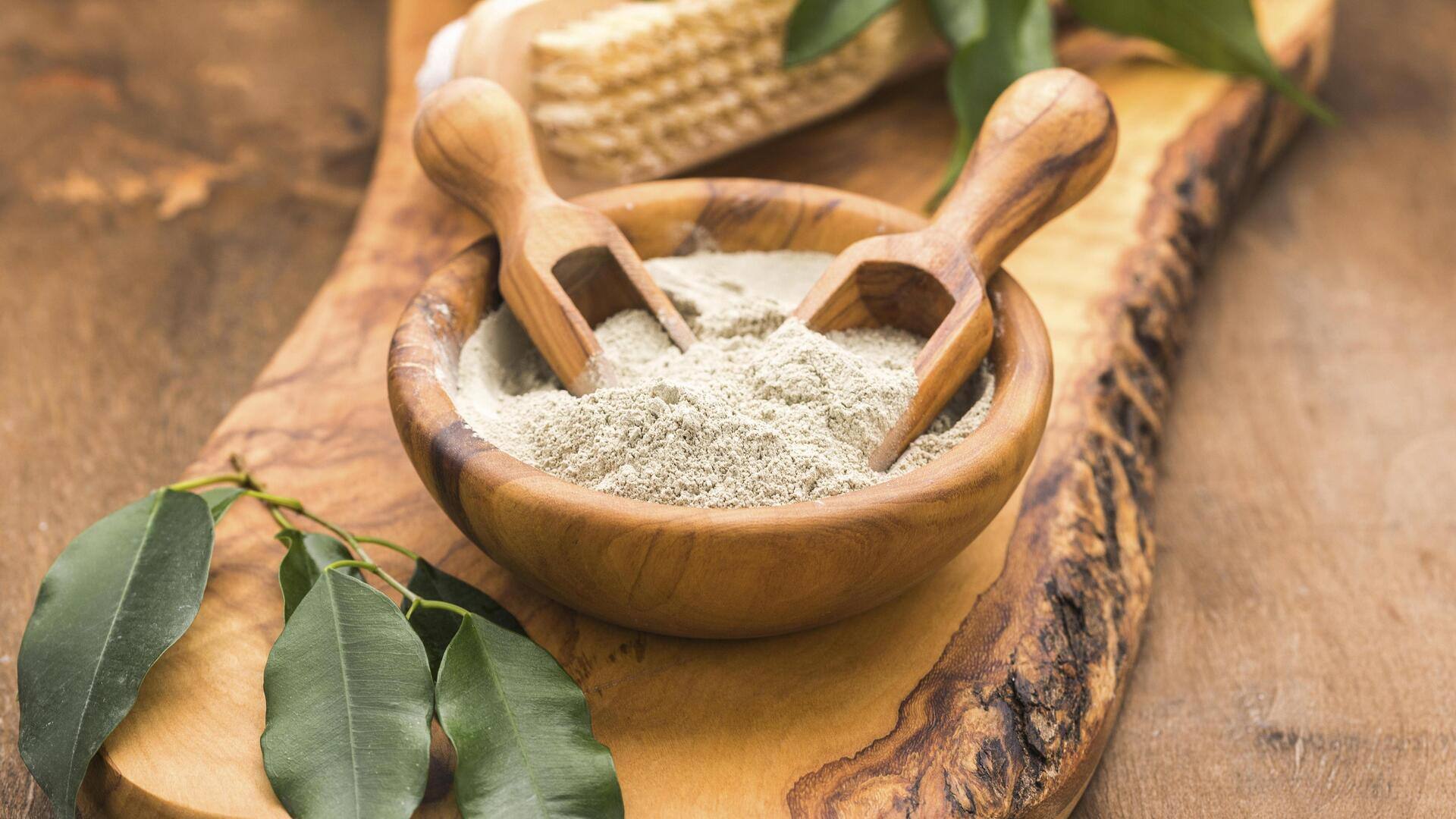
How to use arrowroot in everyday cooking
What's the story
African arrowroot is a versatile plant that has been used for centuries in various culinary applications. Its unique properties make it an excellent ingredient for a variety of dishes, providing both texture and nutritional benefits. This article explores the various ways African arrowroot can be incorporated into everyday cooking, offering insights into its uses and advantages.
Tip 1
Thickening agent for soups and stews
African arrowroot is an amazing thickening agent for soups and stews.
Unlike cornstarch, it does not alter the taste of the dish, making it a perfect choice for those who want to retain the original flavors.
To use it as a thickener, mix it with cold water before adding it to hot liquids. This prevents clumping and ensures a smooth consistency.
Tip 2
Gluten-free baking alternative
For those who are gluten-free, African arrowroot can be used as a substitute in baking recipes. It gives a light texture to baked goods like cakes and cookies.
When using arrowroot flour, mix it with other gluten-free flours, such as almond or coconut flour, to get the right texture.
Tip 3
Nutrient-rich addition to smoothies
Adding African arrowroot powder to your smoothies can amp up their nutritional value without changing the taste much.
It is loaded with essential vitamins and minerals, such as potassium and calcium, which are good for health.
Just add a tablespoon of arrowroot powder to your regular smoothie mix for an easy nutrient boost.
Tip 4
Natural binder for veggie patties
African arrowroot works well as a natural binder in veggie patties or fritters.
Its sticky nature helps hold ingredients together while cooking, without the need for additional binders like commercial products.
Simply mix it with chopped vegetables and spices before shaping them into patties.
Tip 5
Creamy base for sauces and dressings
You can use African arrowroot to create creamy bases for sauces and dressings without dairy products.
By mixing the powder with water or vegetable broth, you can make a smooth paste that acts as a foundation for various sauces.
These sauces can be used over pasta or salads, giving you a healthier alternative to traditional creamy sauces.