How artists are redefining ceremonial masks
What's the story
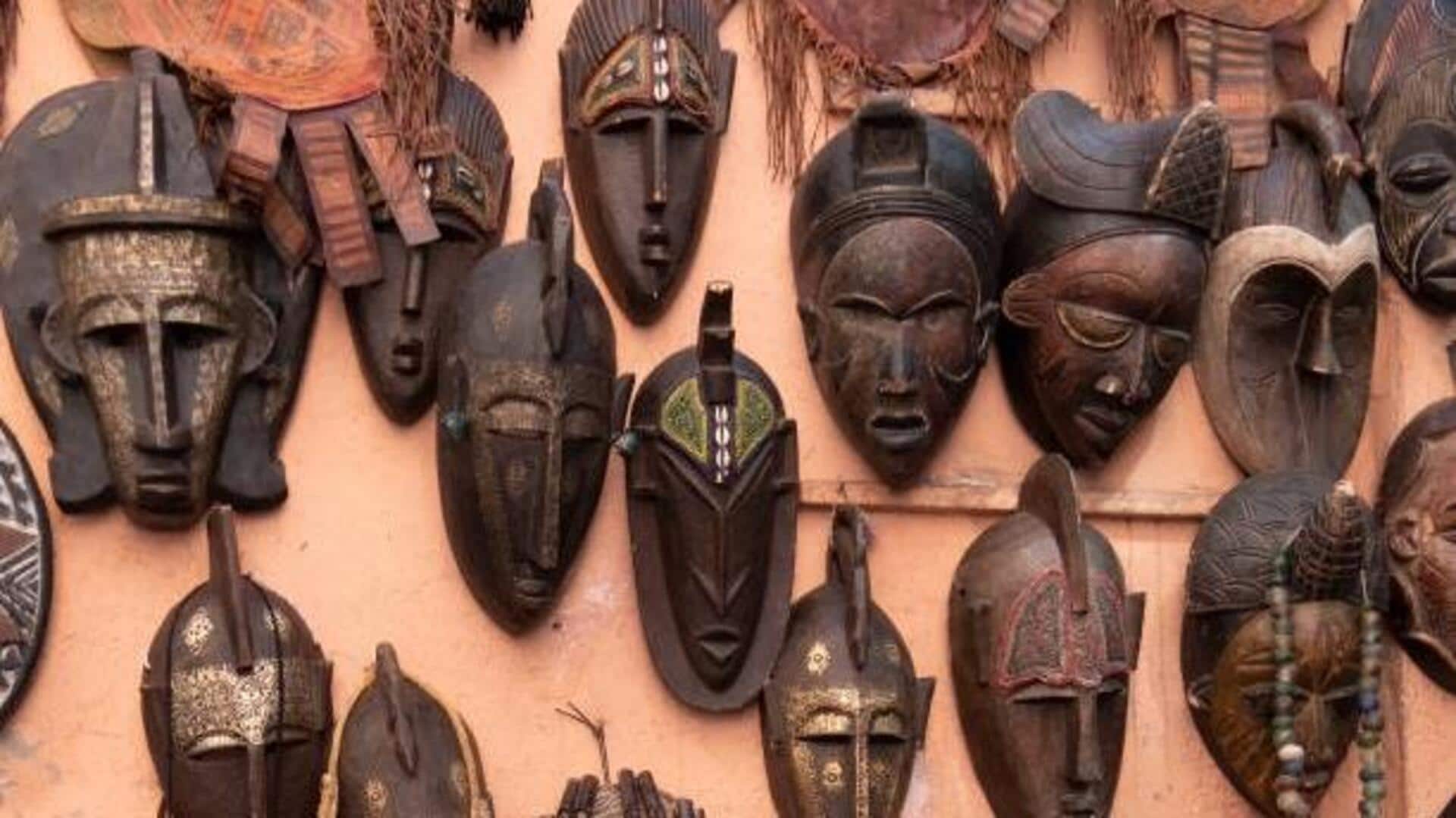
African ceremonial masks have long been an integral part of cultural traditions, serving as symbols of identity and spirituality. These masks are not just artistic expressions but also hold deep meanings within their respective cultures. By adding a creative twist to the traditional designs, artists can breathe new life into these age-old artifacts. This article explores innovative ways to reinterpret African ceremonial masks while respecting their cultural significance.
#1
Fusion of traditional and modern art
Artists are increasingly blending traditional African mask designs with modern artistic techniques. By incorporating elements like vibrant colors and abstract shapes, they create pieces that resonate with contemporary audiences without losing the essence of the original design. This fusion allows for a broader appreciation of African art while maintaining its cultural roots.
#2
Use of sustainable materials
Incorporating sustainable materials into mask-making is gaining popularity among artists. Using recycled wood, natural fibers, and eco-friendly paints not only reduces environmental impact but also adds unique textures and finishes to the masks. This approach appeals to environmentally conscious collectors and supports sustainable practices in art production.
#3
Interactive mask installations
Some artists are creating interactive installations featuring African masks. These installations invite viewers to engage physically or digitally with the artwork, creating an immersive experience that deepens understanding and appreciation of the culture behind the masks. Interactive elements can include augmented reality features or participatory events where visitors can try on or manipulate the masks.
#4
Collaboration with local artisans
Collaborating with local artisans ensures authenticity and supports community craftsmanship. By working together, artists can blend their creative vision with traditional techniques passed down through generations. This collaboration not only preserves cultural heritage but also provides economic opportunities for local craftsmen who may rely on mask-making as a source of income.