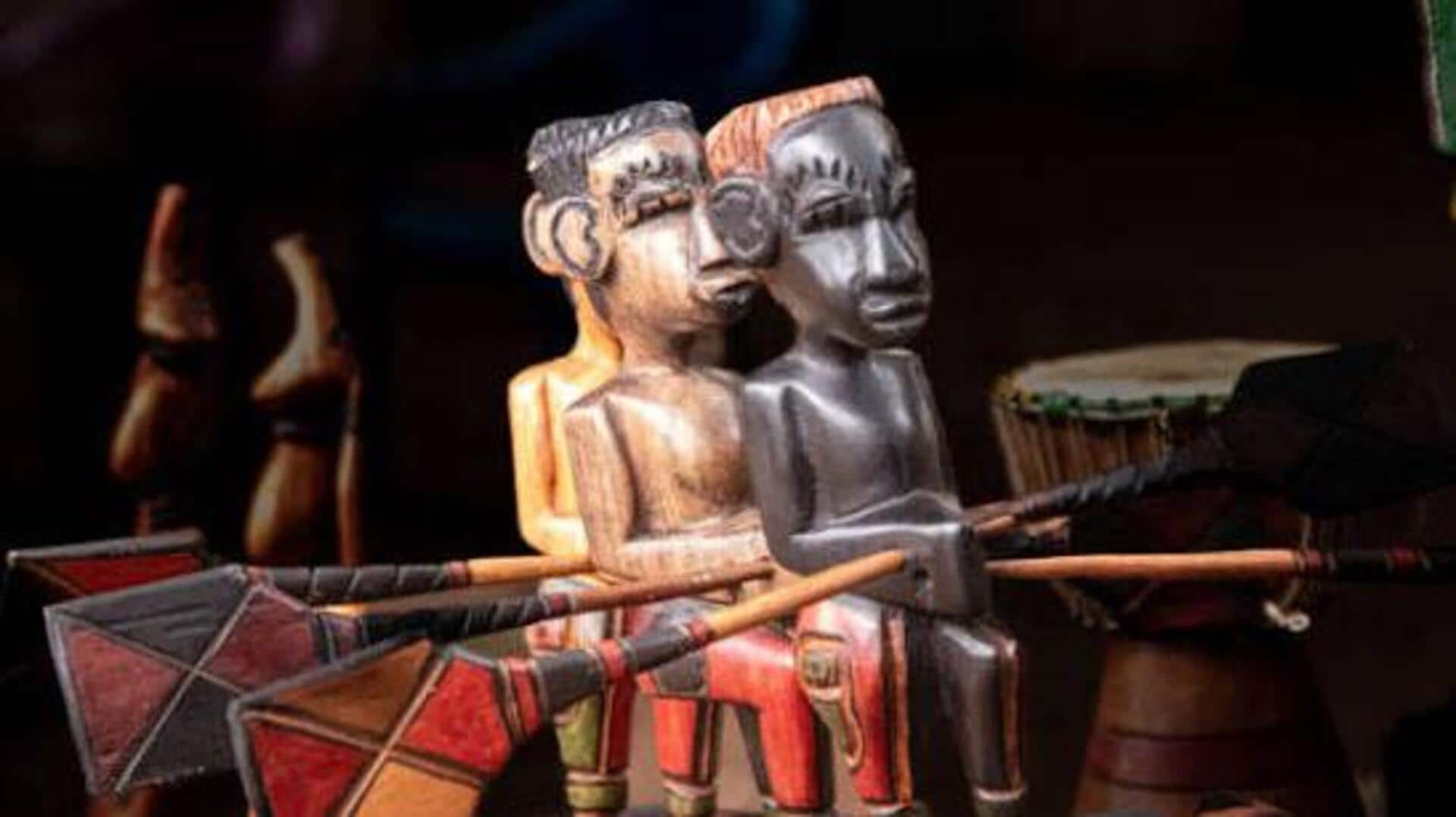
The fascinating history behind African clay sculptures
What's the story
African clay sculptures have long been celebrated for their artistic and cultural significance. These pieces of art are not just decorative elements but also hold deep historical and spiritual meanings. From ancient times to the present day, African clay sculptures have evolved in style and technique, reflecting the diverse cultures across the continent. This article delves into the history, techniques, and cultural importance of these timeless artworks.
#1
Historical roots of African clay sculptures
The history of African clay sculptures goes back thousands of years. The earliest examples date back to ancient civilizations such as those in Nigeria and Ghana.
These sculptures were often used for ceremonial purposes, depicting deities or ancestors.
As trade routes expanded, so did the influence of different cultures on sculpting techniques and styles.
#2
Techniques used in sculpting
African sculptors use a variety of techniques to create their masterpieces.
Hand-building is a common method where clay is shaped by hand without the use of tools.
Some artists use coiling or slab-building methods to create intricate designs.
Natural materials like ochre are often used for coloring, giving each piece its unique character.
#3
Cultural significance in communities
In many African communities, clay sculptures serve as a means of preserving cultural identity and heritage.
They are often used in rituals or displayed as symbols of status within communities.
The figures can represent anything from fertility to protection, showcasing the community's values and beliefs.
#4
Modern influences on traditional art forms
In recent years, modern influences have started to seep into traditional African clay sculpture.
Artists are experimenting with contemporary styles while still paying homage to their roots.
This fusion creates unique pieces that appeal to both local and international audiences, ensuring that this art form remains relevant in today's world.