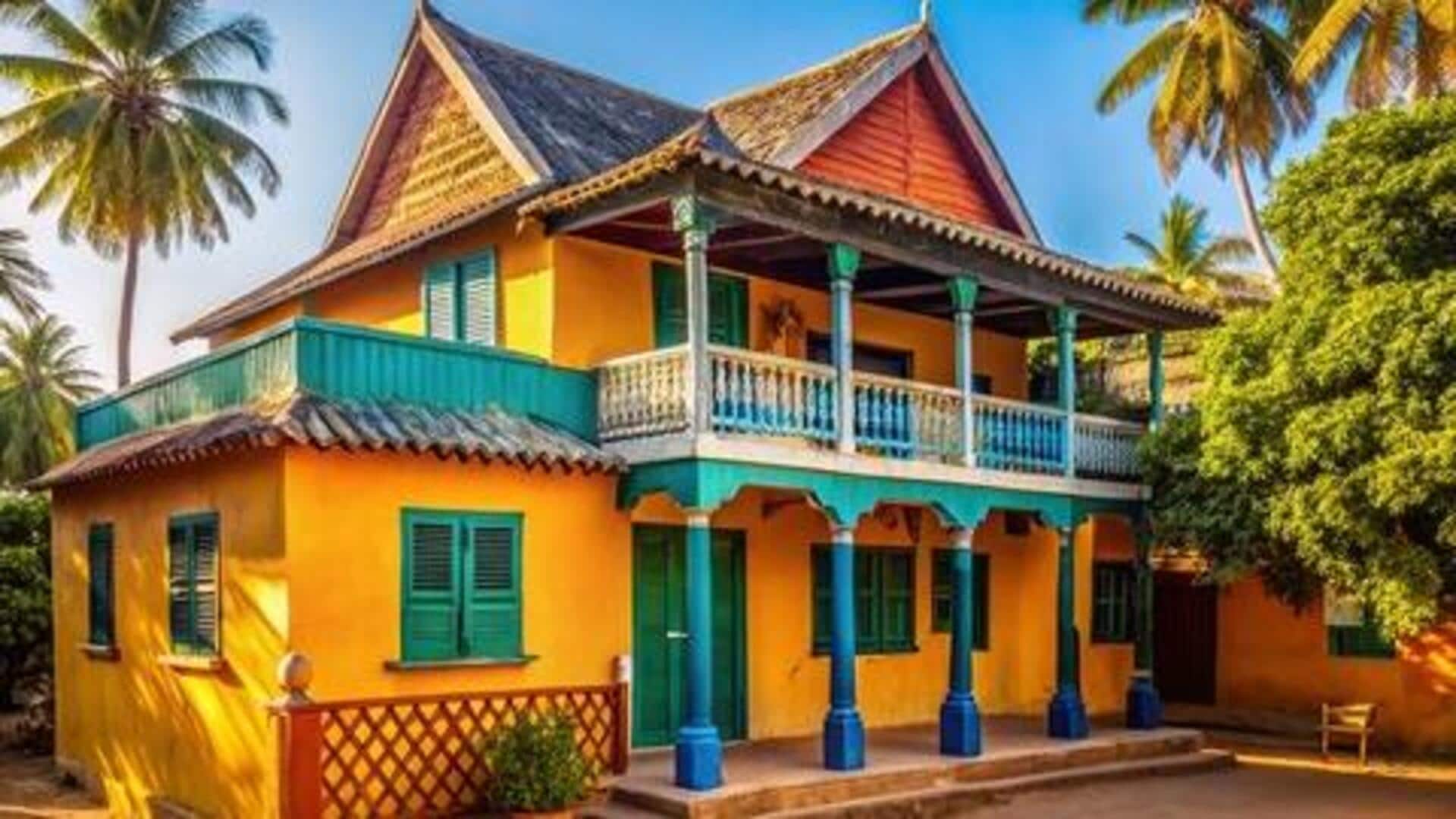
Why African architecture is naturally sustainable
What's the story
African-inspired architecture offers a unique perspective on sustainable design, drawing from the continent's rich cultural heritage and environmental adaptability. These designs often emphasize harmony with nature, utilizing local materials and traditional techniques to create eco-friendly structures. By examining these architectural concepts, we can gain insights into how they contribute to sustainable living and offer practical solutions for modern-day challenges.
#1
Use of local materials
African architecture often relies on locally sourced materials, such as clay, bamboo, and thatch. This not only reduces the carbon footprint associated with transporting materials but also supports local economies. Using these natural resources helps create buildings that blend seamlessly with their surroundings while minimizing environmental impact.
#2
Passive cooling techniques
Many African designs incorporate passive cooling methods to reduce energy consumption. Techniques like thick walls, high ceilings, and strategically placed windows allow for natural ventilation. These elements help maintain comfortable indoor temperatures without the need for artificial cooling systems, making them ideal for energy-efficient homes.
#3
Community-centered spaces
African architecture often emphasizes communal spaces that foster social interaction and community bonding. These designs include open courtyards or shared gathering areas that encourage collaboration and a sense of belonging among residents. By prioritizing communal spaces, these structures promote social cohesion while supporting sustainable living practices.
#4
Integration with natural surroundings
A key feature of many African-inspired buildings is their seamless integration into the natural landscape. Architects often design structures that harmonize with their environment by considering factors like topography, vegetation, and climate conditions. This approach not only enhances aesthetic appeal but also ensures minimal disruption to local ecosystems.
#5
Renewable energy solutions
Incorporating renewable energy sources is another hallmark of sustainable African architecture. Solar panels or wind turbines are often integrated into building designs to harness natural resources for power generation. These solutions reduce reliance on nonrenewable energy sources while promoting environmental sustainability through reduced carbon emissions.