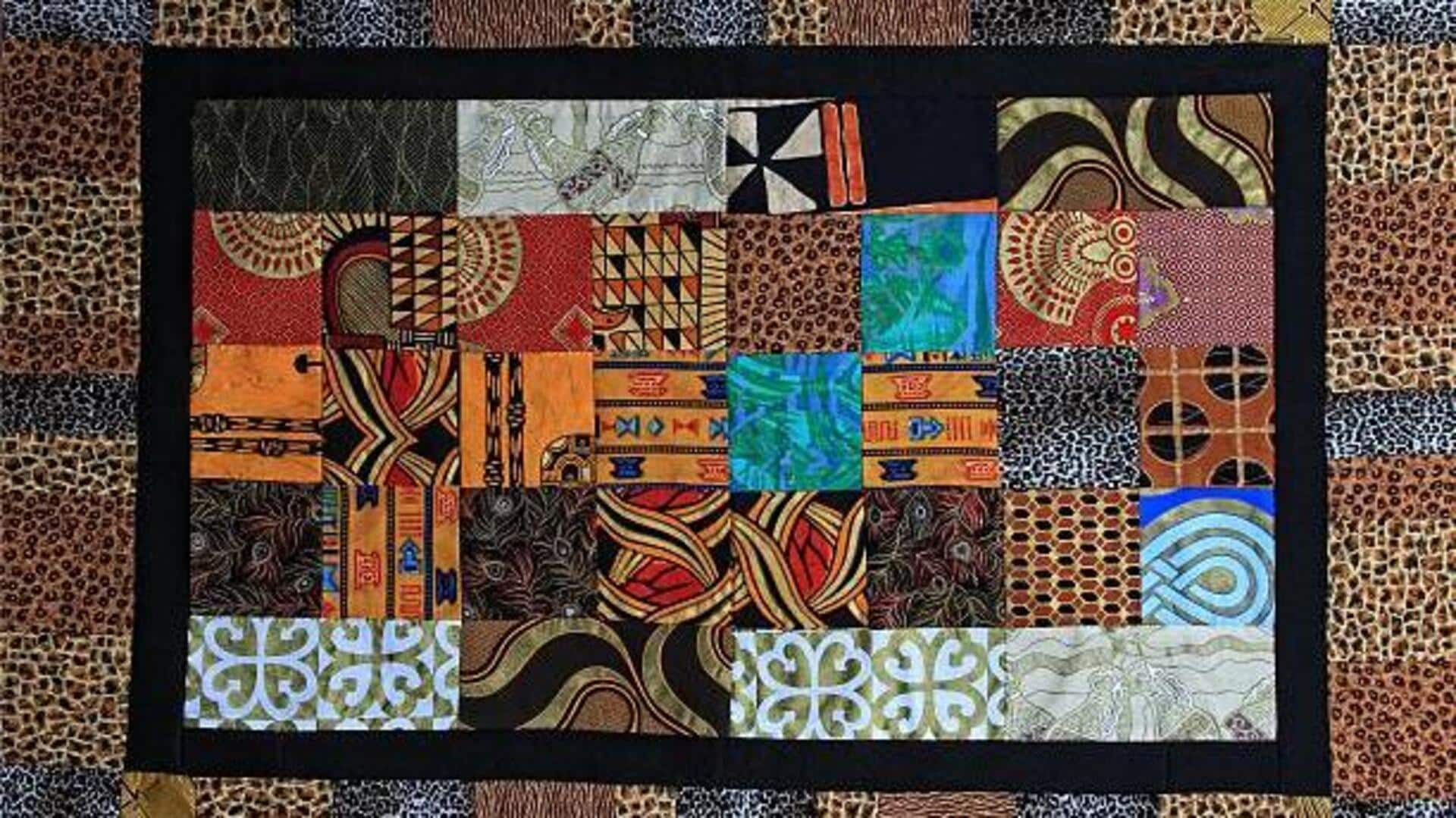
How African quilt patterns are shaping textile designs
What's the story
African-inspired quilt patterns are making waves in the world of modern textile design. These vibrant, geometric patterns, which are rooted in African heritage, are now being adopted by designers across the globe. The bold colors, and intricate designs add a unique touch to contemporary textiles, making them a favorite among those looking for something different. Here is how these patterns are influencing modern textile design.
#1
Bold colors and geometric shapes
African quilt patterns are known for their bold colors and geometric shapes. These elements make for eye-catching designs that stand out in any setting. The use of bright hues like red, blue, and yellow adds energy to the textiles, while the geometric shapes create a sense of balance and harmony. This combination is appealing to designers looking to add vibrancy to their work.
#2
Cultural significance in design
The cultural significance of African quilt patterns plays a major role in their adoption in modern textile design. Each pattern has its own story or meaning, which adds depth to the final product. Designers who use these patterns often pay homage to their cultural roots by incorporating them into their work. This not only preserves the heritage but also educates others about its importance.
#3
Versatility across different applications
One of the best things about African-inspired quilt patterns is their versatility. They can be used in various applications, from fashion to home decor. The adaptability of these designs makes them suitable for different markets and audiences. Whether used in clothing or upholstery, these patterns bring a unique flair that enhances any product they are part of.
#4
Influence on global textile trends
The influence of African-inspired quilt patterns extends beyond borders, as they shape global textile trends. As more designers embrace these designs, they contribute to a wider appreciation for diverse cultural influences in fashion and interior design. This trend highlights how traditional art forms can inspire contemporary creativity on an international scale.