How African ceramics are getting a modern makeover
What's the story
African Maasai ceramics are witnessing a modern artistic revival, blending traditional techniques with contemporary designs. This fusion is not only preserving the rich cultural heritage of the Maasai people but also introducing their art to a global audience. The revival is characterized by vibrant colors, intricate patterns, and functional, yet artistic, pieces. Artists are experimenting with new forms and materials while staying true to their roots, creating a dynamic evolution in the world of ceramics.
#1
Traditional techniques meet modern design
The revival of Maasai ceramics marries traditional techniques with modern design.
Artists use age-old methods of hand-building and firing, but add modern aesthetics to their work.
The result is a collection of ceramics that speak to both cultural heritage and modern tastes.
This blend has made the art form more appealing to a global audience, while still honoring its origins.
#2
Vibrant colors and patterns
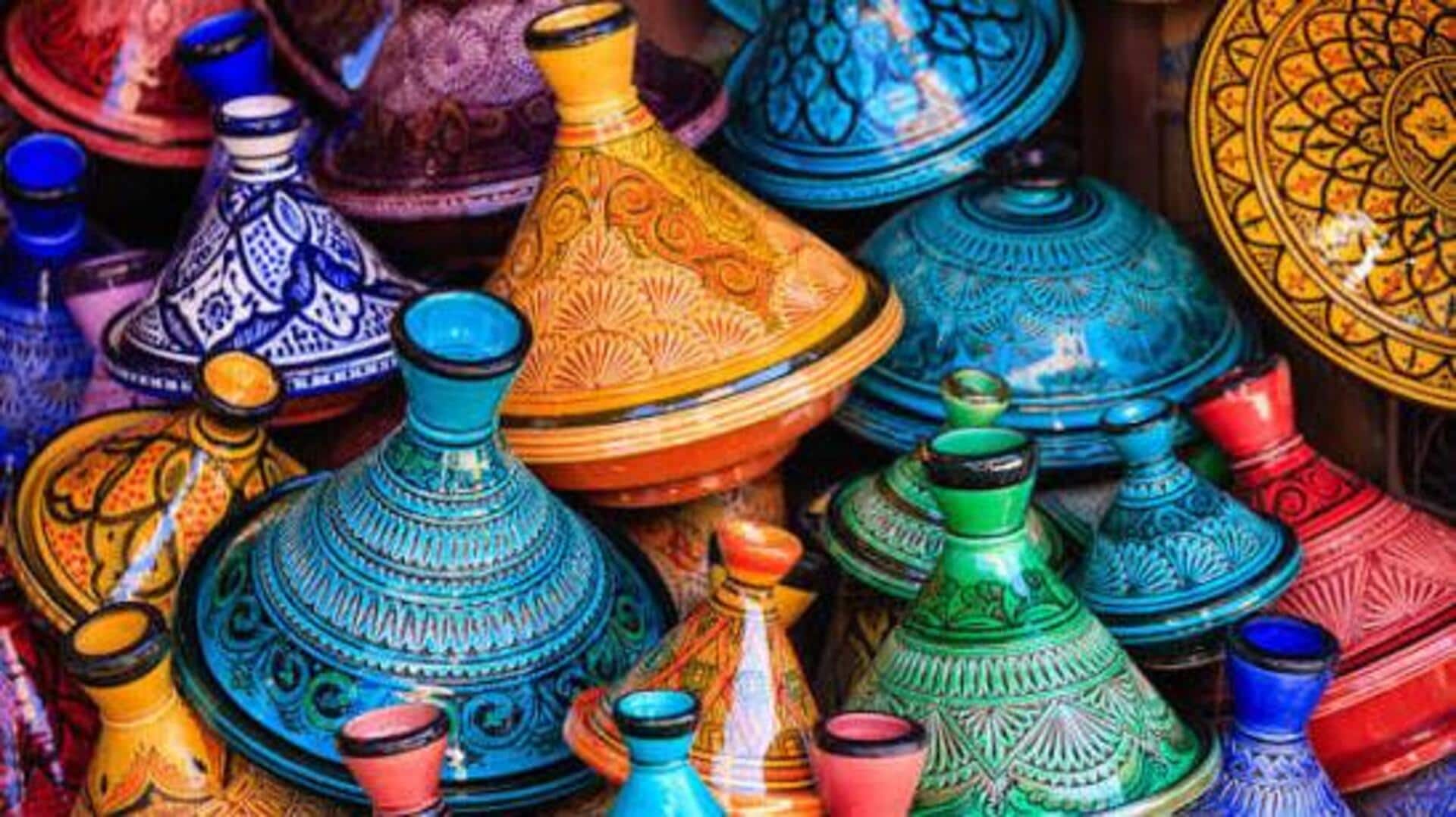
One of the most striking features of revived Maasai ceramics is the use of vibrant colors and intricate patterns.
These elements are deeply rooted in Maasai culture, often symbolizing various aspects of life and community.
Modern artists have expanded on these themes by incorporating bold hues and geometric designs that resonate with contemporary trends.
This colorful approach not only enhances the visual appeal but also tells a story through each piece.
#3
Functional art for everyday use
The revival of Maasai ceramics also emphasizes functional art for everyday use.
While many pieces are decorative, they also serve practical purposes, such as bowls, vases, or cooking pots.
This duality ensures that the art remains relevant in daily life while showcasing its artistic value.
The focus on functionality makes it accessible to a wider audience who appreciate both utility and aesthetics.
#4
Global influence and market expansion
The global influence on Maasai ceramics has led to market expansion beyond Africa's borders. As interest grows internationally, so does demand for these unique creations.
Artists are now able to reach new markets through online platforms and exhibitions worldwide.
This exposure not only supports local economies but also fosters cultural exchange between communities around the world.