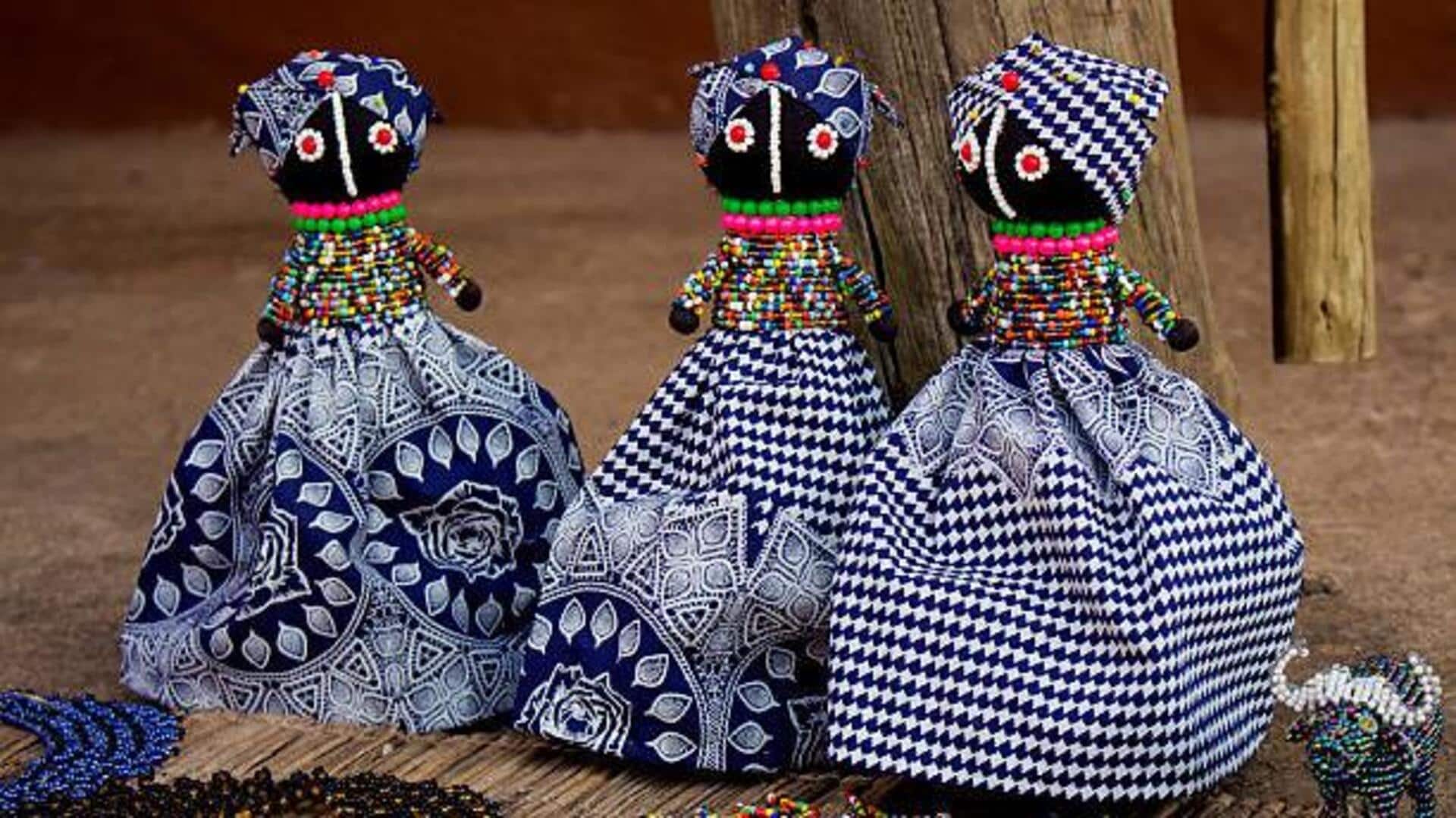
Exploring the evolution of African paper art
What's the story
African paper art is a beautiful blend of traditional techniques and modern creativity. The art form is a window into the continent's rich cultural heritage, while also being a canvas for contemporary expression. From intricate designs to bold colors, African paper art is a celebration of both the past and the present. Here's how traditional methods are being used to create innovative pieces that resonate with today's audience.
#1
Traditional techniques in modern art
Traditional African paper art techniques include weaving, embossing, and dyeing.
These methods have been passed down through generations, preserving cultural significance while adapting to modern tastes.
Artists today incorporate these techniques into their work by experimenting with new materials and styles.
This fusion creates pieces that honor tradition while appealing to contemporary art lovers.
#2
Influence of African culture on design
African culture heavily influences the design elements in paper art.
Patterns inspired by tribal motifs, symbols, and storytelling traditions are commonly used in modern creations.
These designs not only pay homage to the rich cultural history of Africa, but also connect with audiences who appreciate the depth of meaning behind each piece.
#3
Use of sustainable materials
Sustainability is a key focus in modern African paper art.
Many artists opt for eco-friendly materials like recycled paper or natural dyes sourced from local plants.
This not only promotes environmental responsibility but also supports local economies by sourcing materials within communities.
The use of sustainable resources adds another layer of value to each artwork.
#4
Emerging artists shaping the future
Emerging African artists are pushing boundaries with their innovative approaches to paper art.
They are experimenting with mixed media, digital integration, and interactive installations that engage viewers on multiple levels.
These artists are not just preserving traditional techniques but also shaping the future of African art through their unique perspectives and creative solutions.